




Samsung Galaxy S26: Samsung’s upcoming Galaxy S26 lineup is shaping up to be a familiar mix of small upgrades and clear compromises, especially when it comes to charging speeds.
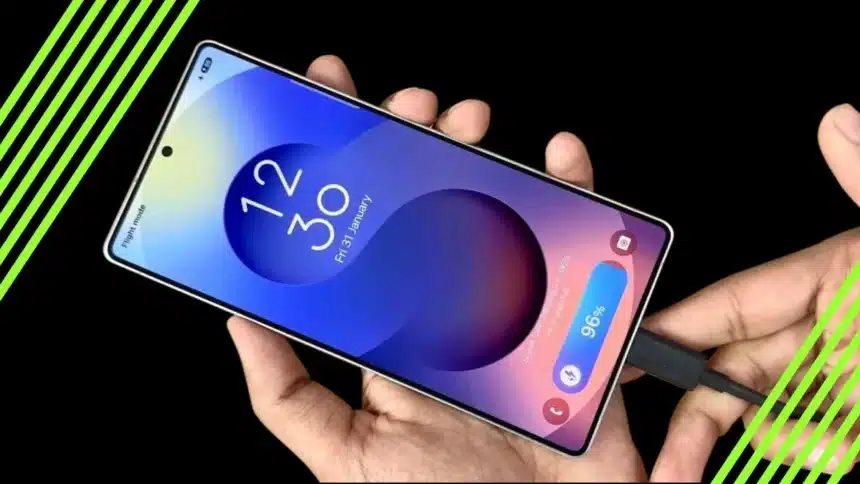
Despite earlier rumors, the base Galaxy S26 will stick with 25W wired charging, the same as its predecessor. This was confirmed by tipster Ahmed Qwaider and industry insider Ice Universe, who stepped in to correct reports suggesting Samsung might finally move to faster charging on its entry-level flagship.
- Base Samsung Galaxy S26 lags behind
- Battery sizes follow the same hierarchy
- An awkward comparison with Samsung’s own phones
- How competitors compare
- Colors and design highlights
- Launch timing and broader strategy
- More reasons to choose the Ultra
- The compromise facing base buyers
- A challenging value proposition
Base Samsung Galaxy S26 lags behind
With 25W charging, the standard Galaxy S26 becomes the slowest-charging phone in the S26 family. The Galaxy S26+ keeps 45W wired charging, while the Galaxy S26 Ultra takes a bigger step forward with 60W wired charging, up from 45W on the previous model.
All three phones support Qi2 wireless charging thanks to built-in magnets. Samsung has confirmed that the S26 Ultra supports 25W wireless charging, but wireless charging speeds for the S26 and S26+ have not yet been detailed.
Battery sizes follow the same hierarchy
Battery capacity also scales depending on the model. The base Galaxy S26 gets a 4,300mAh battery, up from 4,000mAh in the Galaxy S25. The Galaxy S26+ stays at 4,900mAh, while the S26 Ultra remains unchanged at 5,000mAh.
While the larger battery is a welcome upgrade for the base model, the slow charging speed limits how much benefit users will actually feel day to day.
An awkward comparison with Samsung’s own phones
The 25W charging limit puts the Samsung Galaxy S26 in an unusual position. Samsung’s own mid-range phones now charge faster. The Galaxy A36 offers 45W charging at a lower price point, while the Galaxy A35 and A55 already match the S26’s 25W speed.
Samsung continues to justify this approach by prioritizing battery health and heat management, especially in its base models. Faster charging is reserved for higher-end devices, which naturally pushes buyers toward the more expensive S26+ and S26 Ultra.
How competitors compare
The gap becomes even clearer when looking outside Samsung’s lineup. Brands like Xiaomi and OnePlus offer 80W or faster charging on some models. Apple remains more conservative, but even the base iPhone 17 reaches around 30W with compatible chargers.
Against that backdrop, Samsung’s base flagship looks increasingly cautious.
Colors and design highlights
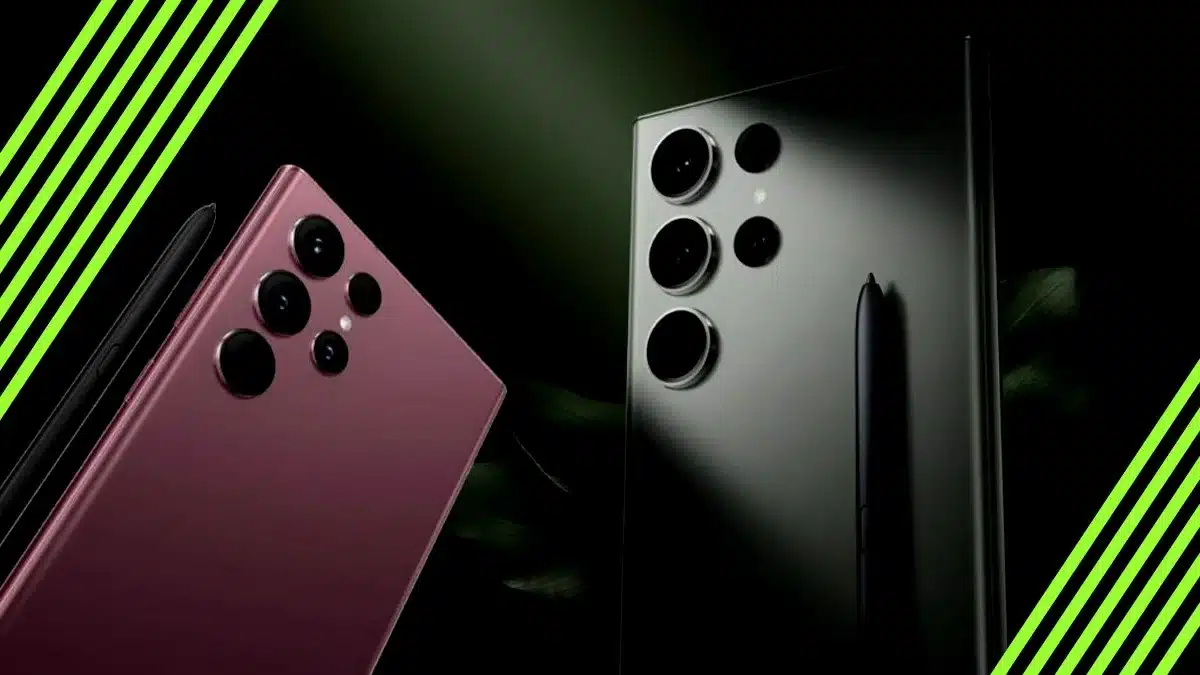
The Samsung Galaxy S26 Ultra introduces a new violet “hero color”, which Samsung has already confirmed through listings on its Colombian website. Other available colors include Black Shadow, White Shadow, and Galactic Blue.
These color options serve as another way Samsung differentiates the Ultra from the rest of the lineup.
Launch timing and broader strategy
Samsung is set to officially unveil the Galaxy S26 series on February 25, with sales beginning March 11. The launch comes as Samsung faces rising component costs, with reports suggesting the company has made trade-offs in areas like camera hardware to keep prices stable.
Wireless charging is one quieter upgrade across the lineup. Qi2 magnets enable more reliable wireless charging on all models, even though only the Ultra’s wireless charging speed has been confirmed so far.
More reasons to choose the Ultra
Beyond charging, the Samsung Galaxy S26 Ultra is expected to include several other advantages. Leaks point to M14 OLED displays offering 20 to 30 percent better efficiency, built-in privacy technology, and camera improvements such as wider apertures.
These extras further separate the Ultra from the base model.
The compromise facing base buyers
For buyers considering the standard Samsung Galaxy S26, charging remains the biggest compromise. The 25W setup delivers around 55 percent battery in 30 minutes, while phones with 45W charging can reach similar levels in 15 to 20 minutes.
Samsung continues to take a conservative approach, shaped in part by its past battery issues. The company favors safety and long-term battery health over aggressive charging speeds.
A challenging value proposition
The Galaxy S26 sits in a difficult position. It competes with faster-charging mid-range phones while offering flagship-level performance and efficiency improvements. With modest charging gains and potential camera sacrifices, the S26+ and S26 Ultra appear to offer better overall value.
Samsung’s February 25 event will confirm full specifications and pricing. Until then, the company faces growing pressure to explain why faster charging remains locked behind higher-priced models as consumer expectations continue to rise.