




The headphone jack did not go away entirely overnight. Instead, it gradually diminished and eventually became the standard.
An incredibly useful part of a mobile phone’s hardware, the 3.5mm headphone jack is now gone from most of our best mobile devices. This change is still frustrating to many consumers today, despite being gone.
There was no one particular reason for removing the 3.5mm audio jack from all smartphones. Brands made design compromises with device form factor, changing consumer behaviours, and a shift in the way mobile devices share sound.
Why is the headphone jack removed?
A headphone jack may look tiny from the outside, but it takes up more room inside a phone than people often realise.
The 3.5mm connector needs a fairly deep physical housing, which can limit how engineers arrange other parts inside increasingly slim devices.
That matters because modern smartphones are expected to do a lot more than older ones. They need bigger batteries, larger camera sensors, better cooling, stronger haptics, extra antennas, and more internal hardware packed into bodies that are still supposed to look thin and premium.
Once brands started prioritising battery life, camera systems, and sleeker designs, the headphone jack became one of the easiest parts to cut.
This is not just theory. Android’s own documentation includes specifications for USB-C-to-analogue audio adapters specifically for phones that no longer include a 3.5mm jack, which shows how common jack-free devices have become.
Open-source Android documentation also reflects the broader shift toward USB audio support on modern devices.
Introduction of Bluetooth Audio
Phone makers did not remove the headphone jack in a vacuum. They did it when wireless earbuds and Bluetooth headphones came into the picture.
Once more, users had started switching to Bluetooth audio, and the risk of backlash dropped.
Wired earphones were no longer the only practical option for everyday listening. Android documentation itself notes long-standing support for Bluetooth audio streaming through A2DP, which helped make wireless listening a normal part of the smartphone experience.
This shift in behaviour gave brands cover. Even if some users still preferred wired audio, companies could point to the growing popularity of wireless accessories and argue that the market had already moved on.
USB-C became the new backup route
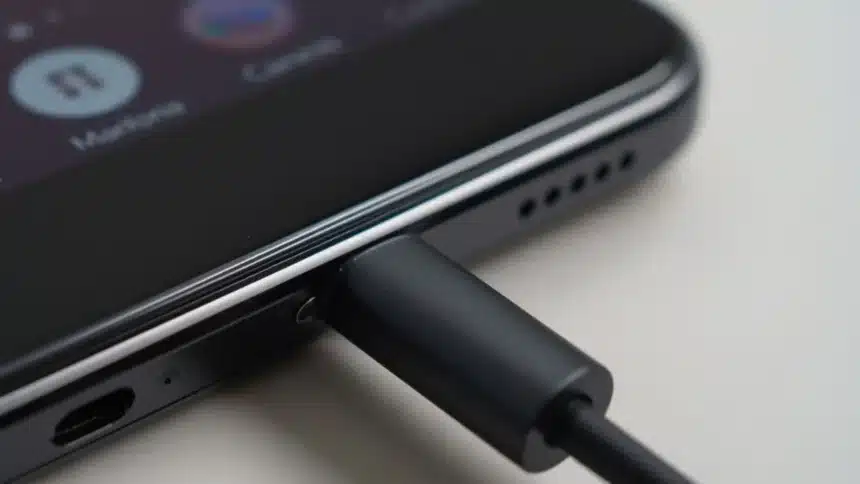
The removal of the headphone jack did not signify the end of wired audio; it simply altered how it may be connected to devices.
For instance, many contemporary devices utilise USB-C for wired audio connections either through native USB-C earbuds or via a native USB-C to 3.5mm adaptor.
In fact, Android’s own documentation indicates clearly that device manufacturers manufacture these adapters specifically for the use of customers who may still possess traditional 3.5mm headsets but do not have a built-in jack on the connected device.
In addition, Android also supports digital USB audio on devices compatible with that technology, leading to increased manufacturer comfort in phasing out the analogue audio jacks associated with older devices.
However, for users of these newer devices, the transition from using an analogue jack to using a USB-C port to deliver wired audio has not always been viewed as progress. Users regularly misplace their adapters, given that there are many variations, some adapters may not function properly, and charging an integrated USB-C adaptor while listening to wired audio can be awkward when the user only has one USB-C port.
Other Reasons for Headphone Jack Removal
Another reason brands liked removing the port is a simpler hardware design. Fewer openings can make it easier to manage water and dust resistance, especially on premium phones that are expected to survive splashes, rain, and rough daily use.
It would be too simplistic to say a headphone jack automatically prevents good water resistance, because some phones have offered both.
But removing one more physical opening still gives manufacturers more freedom in design and sealing.
Also Read: Windows Is Going Completely Password-Free With Microsoft Entra Passkeys