





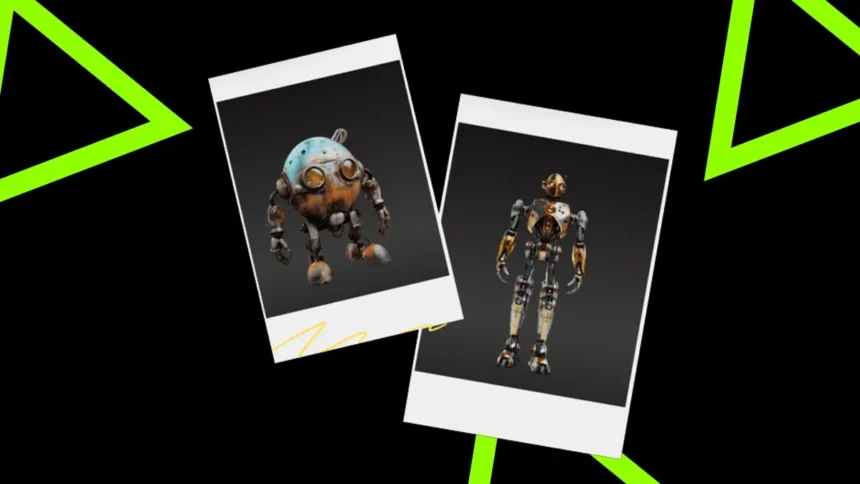
China-founded start-up Tripo AI rolled out a major update to its main platform on Tuesday, reintroducing it as Tripo Studio 1.0. The new version dramatically boosts the speed of AI-powered 3D content creation, delivering performance that is up to 200 per cent faster than before. The launch comes as the company’s global user base continues to grow at a rapid pace.
Rapid Growth and Strong Early Results
Tripo AI is widely seen as a trailblazer in large-scale, general-purpose 3D models. According to founder and CEO Simon Song Yachen, the platform’s user base has surged from 3 million in August to more than 6.5 million today. Song shared these figures in a recent interview with the South China Morning Post.
After the beta version of Tripo Studio went live on May 30, the company quickly saw strong financial momentum. Its monthly revenue “grew 2.5 times within a month and fivefold within three months”, Song said. “This shows that we’re on the right track.”
A Global User Community:
Tripo AI’s reach is overwhelmingly international. More than 85 per cent of its users are located outside China, with Europe and the United States leading the way. The company has also attracted a notable list of enterprise clients, including Tencent Holdings, NetEase, Sony, Microsoft and Labubu toys maker Pop Mart.
The company was founded in 2023 and registered in the Cayman Islands under the name Vast. It was established in Beijing shortly after Google introduced DreamFusion, a text-to-3D model that Song said helped unlock the possibilities of automated 3D content creation.
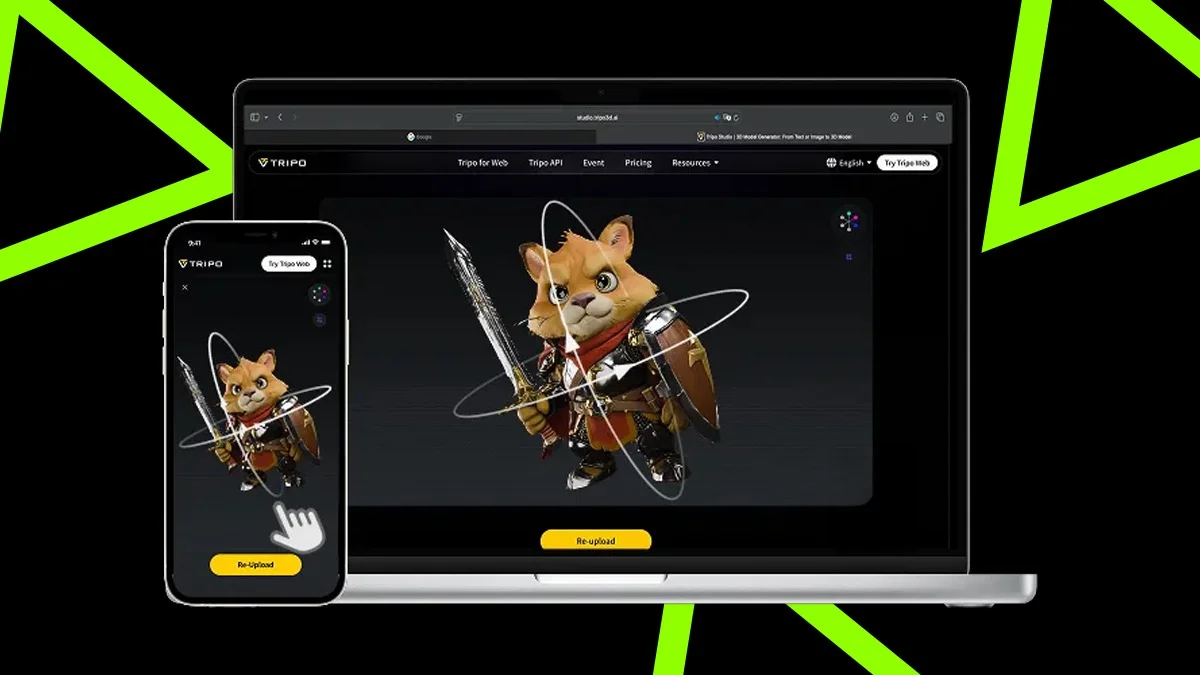
A Different Way of Thinking About 3D:
Song believes 3D is more than just the next step in AI-generated media. “I used to think that – from text to images, then to video and finally to 3D – represented a process of information carriers that ascended to higher dimensions,” Song said. “But now I tend to believe that 3D is the most natural and primal format, as the world was presented in 3D until language was invented to preserve and send information in a compressed and abstract way.”
This philosophy shapes Tripo AI’s long-term vision and product roadmap. The company plans to continue adding new tools to Tripo Studio 1.0, aiming to make 3D creation even more accessible.
What’s Coming Next:
Among the upcoming features is a scenario generator that can create interactive 3D environments using just a single image or a simple doodle. Another planned addition is a video generator capable of automatically rigging characters with AI in seconds, allowing users to quickly build humanoid figures and avatars.
With its research centre based in Beijing, Tripo AI has earned recognition as one of the earliest Chinese companies to focus on AI-powered generators.
Song’s Background and Big Ideas:
Before starting Tripo AI, the 28-year-old entrepreneur co-founded AI model developer MiniMax, which is preparing for a potential listing in Hong Kong. He also previously worked in the CEO’s office at AI firm SenseTime.
Song has a clear and unconventional view of where artificial intelligence is headed. “I don’t expect artificial general intelligence to emerge from large language models, image models or video models, but 3D models might be the answer”, he said. His influence and achievements were recently recognised when he was named to Forbes’ “30 Under 30 List” in China.
Organic Growth and Talent Challenges:
Despite its fast growth, Tripo AI keeps its sales operation lean. The company currently employs just two salespeople, who focus on “providing service” rather than actively chasing deals. Growth so far has come naturally. The company has “relied on organic growth and promotions by word of mouth”, Song said.
That approach has paid off before. When Elon Musk shared a Tripo AI-generated video on social media in 2024, “our product gained lots of attention and attracted strong interest from global creators and developers”, Song said.
Looking ahead, Song sees talent recruitment as one of the biggest hurdles in advancing 3D AI. The field is still so new that traditional experience does not always apply.
“Prior experience may not work,” Song said. “It is not as if a 70-year-old AI professor could simply rely on experience to master it.”