




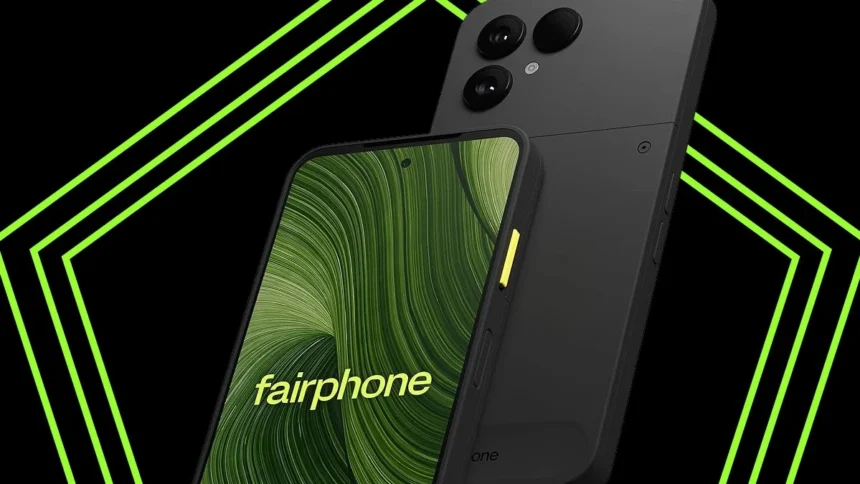
The Dutch ethical smartphone brand Fairphone is back with its sixth-generation Android device, aiming to make its repairable phone more modern, modular, affordable, and appealing. It still focuses on sustainability and long-term use, now with screw-in accessories and a user-replaceable battery that make everyday ownership simpler.
Why This Fairphone Feels Different:
The Fairphone 6 starts at £499 (€599), making it more affordable than earlier models and placing it directly against devices like the Google Pixel 9a and Nothing Phone 3a Pro. What makes it stand out is the ability to repair it yourself, long software support, and a five-year warranty, all aimed at people who want a phone that lasts.
Fresh Design With Practical Materials:
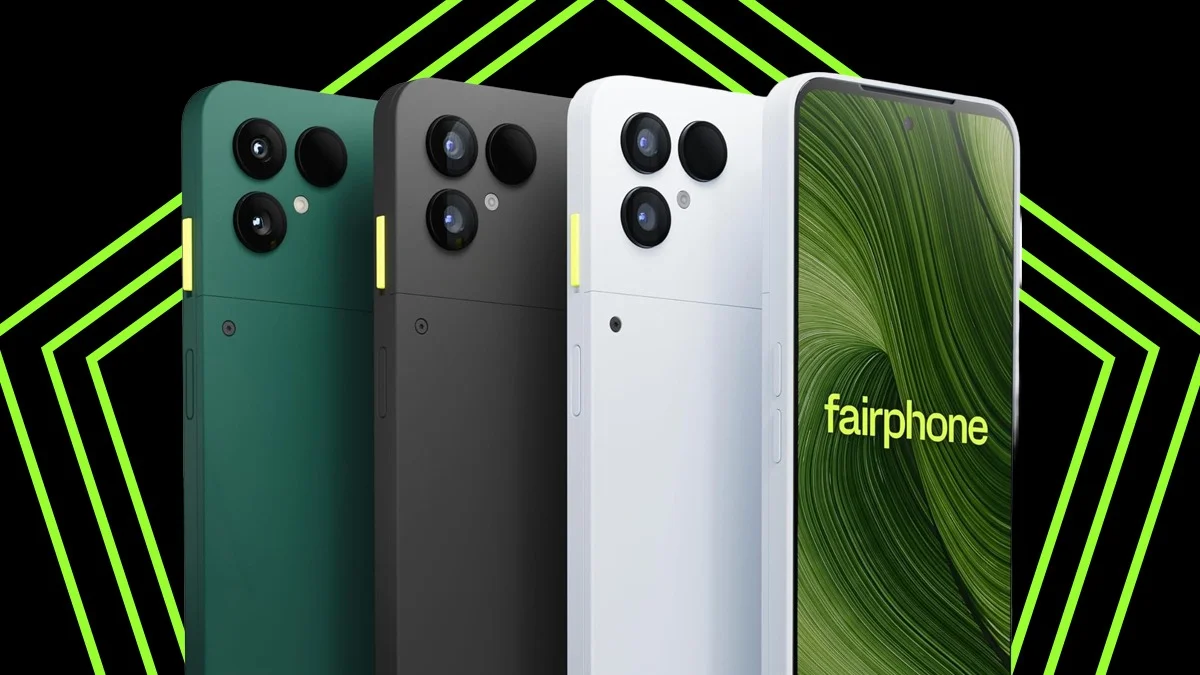
This version looks more refined than past Fairphones. It features a 6.3in 120Hz OLED display and a recycled plastic body that feels sturdy and well-built. The off-white finish looks particularly stylish, with green and black also available. It handles splashes and rain but is not meant for full water immersion.
Built To Be Opened and Fixed:
The back cover is secured by two Torx screws, giving access to the battery and other modular parts that can be replaced at home using simple tools. This design keeps repairs easy and relatively affordable compared with most smartphones.
Everyday Handling and Button Layout:
The slim power button doubles as a fingerprint scanner but sits flush with the frame, which makes it a little harder to press comfortably. The volume buttons sit directly opposite and often get pressed by mistake while holding the phone or pulling it from a pocket, leading to accidental screenshots or sudden volume changes.
A Switch for Simpler Phone Use:
Above the power button sits a colourful switch that activates Fairphone’s “Moments” minimalist interface. This mode blocks notifications and shows only essential apps, helping reduce distractions. However, leaving an app briefly reveals the regular home screen, making the feature feel slightly unfinished. The switch can also be customised for actions like turning on “do not disturb” or the torch.
Specifications:
Screen: 6.31in 120Hz FHD+ OLED (431ppi)
Processor: Qualcomm Snapdragon 7s Gen 3
RAM: 8GB
Storage: 256GB + microSD
Operating system: Android 15
Camera: 50MP main, 13MP ultrawide, 32MP selfie
Connectivity: 5G, eSIM, wifi 6E, NFC, Bluetooth 5.4, and GNSS
Water resistance: IP55 (splash/rain)
Dimensions: 156.5 x 73.3 x 9.6mm
Weight: 191.4g
How It Performs Day to Day:
The Snapdragon 7s Gen 3 offers smooth performance for everyday tasks and light gaming. It handles most apps easily, though more demanding games may push its limits. The inclusion of a microSD card slot is rare and useful for expanding storage when needed. Battery life is decent, lasting roughly 35 hours with around four to five hours of active screen time, so most heavy users will still charge it nightly.
A Strong Focus on Sustainability:
The battery is designed to keep at least 80% of its capacity after 1,000 cycles and can be replaced at home along with 12 modular components. Replacement parts are fairly priced, and iFixit awarded the phone a perfect repairability score. The device uses 50% recycled or fair materials and comes with software updates promised until 2033.
Clean Software With Room to Improve:
The phone runs standard Android 15 or a privacy-focused version called /e/OS without Google services. The experience is simple and uncluttered, but lacks some advanced features and still feels slightly rough around the edges. It includes Google’s Gemini chatbot assistant but misses out on features like Circle to Search. Updates have improved stability, though the overall polish still trails some competitors.
Camera Quality in Real Life:
The 50MP main camera takes good photos in bright light but struggles with high contrast scenes and night shots. The 13MP ultrawide works well in good lighting but can appear soft at the edges. Macro photography is surprisingly capable with a bit of practice, and the 32MP selfie camera delivers solid results. Overall, the cameras are decent but not class-leading for the price.
Price and Rival Phones:
The Fairphone Gen 6 costs £499 (€599).
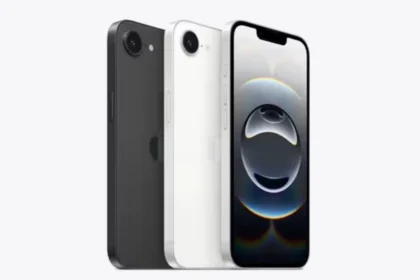
Google’s Pixel 9a costs £499, the Nothing Phone 3a Pro costs £449, and the Apple iPhone 16e costs £599.
Overall Thoughts
The Fairphone 6 is the company’s most polished device yet, bringing its ethical and repairable approach closer to mainstream expectations. It offers a good display, modern design, expandable storage, and long software support. However, mid-range performance, an average camera, and slightly rough software make it harder to recommend over strong alternatives. Still, for users who value sustainability and easy repairs, it remains a distinctive and appealing choice.
Pros: Modular accessory support, repairable at home design, software support to 2033, recycled and fair materials, microSD card slot, good screen, five-year warranty
Cons: Mid-range performance, fingerprint scanner and volume button placement are annoying, average camera, cannot be submerged in water, no Android 16 yet, and the software is a little rough around the edges
ALSO READ: iPhone Privacy Hack Everyone Should Know About
- Why This Fairphone Feels Different:
- Fresh Design With Practical Materials:
- Built To Be Opened and Fixed:
- Everyday Handling and Button Layout:
- A Switch for Simpler Phone Use:
- How It Performs Day to Day:
- A Strong Focus on Sustainability:
- Clean Software With Room to Improve:
- Camera Quality in Real Life:
- Price and Rival Phones:
- Overall Thoughts