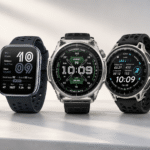

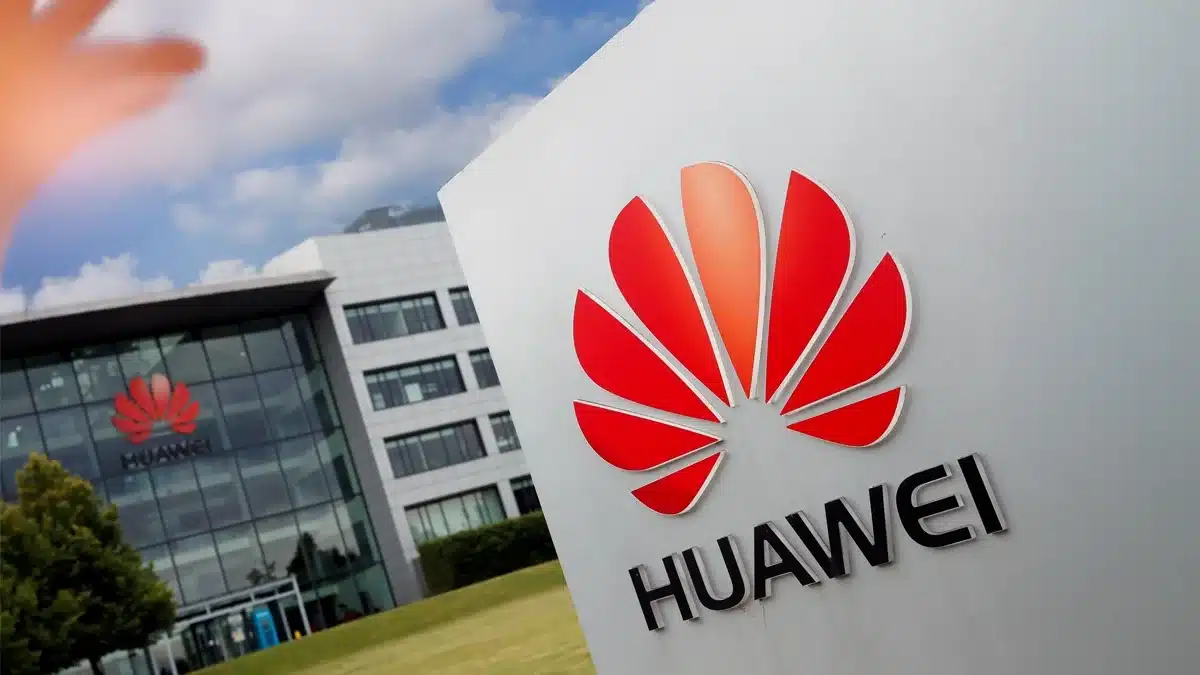
Huawei put on quite a show in Paris on Friday, showing off two brand-new smartwatches and an international version of its latest smartphone. The event highlighted how the company is pushing ahead in wearables while also making another move in the global phone market.

A Big Leap with the Huawei Watch GT 6
The new Huawei Watch GT 6 comes in two sizes: 46mm and 41mm. The smaller version now lasts up to 14 days on a single charge, which is twice as long as the previous model. The larger one can stretch battery life to an impressive 21 days, a 50 percent jump over its predecessor.
Huawei also improved how accurately the GT 6 tracks positioning. “We redesigned the antenna, the algorithms, and added NavIC (India’s navigation satellite system) as the sixth positioning system,” explained Andreas Zimmer, Huawei’s head of product in the European Union, in an interview before the launch. According to Huawei, the new setup boosts accuracy by 20 percent.

Diving Deep with the Watch Ultimate 2
The other big wearable reveal was the Watch Ultimate 2. This model takes durability to the next level with a special “mechanical seal” that keeps its speaker and microphone safe in water as deep as 150 meters. It also introduces something fascinating: sonar communication that lets two watches send messages underwater up to 30 meters apart, similar to how dolphins talk to each other.
Huawei Leads the Wearables Market
These updates strengthen Huawei’s grip on the wearables market. In the second quarter, the company shipped 9.9 million units, giving it a 20 percent share of the global market, according to IDC. That puts Huawei ahead of Xiaomi and Apple, and it has held onto the top spot for two quarters in a row.
Nova 14 Smartphone Goes Global
Alongside the watches, Huawei rolled out the Nova 14 smartphone series for international markets, four months after its debut in China. The timing was bold, coming on the same day Apple started delivering its iPhone 17.
The Nova 14 series comes in two models. Both stick closely to the Chinese versions, which were praised for their camera capabilities. The phones include a 50-megapixel front camera, while the Pro version adds a 5x portrait zoom. The only catch is that the overseas lineup doesn’t include the Ultra model available in China.
One noticeable difference is in the operating system. While Chinese models run on Huawei’s HarmonyOS, the international versions use EMUI, which is based on Android.
Challenges in the Smartphone Market
Globally, Huawei still lags behind in smartphones. In the second quarter, it managed to reclaim the number one spot in China for the first time in over four years, according to IDC. But in Europe, it didn’t make it into the top five. Research firm Canalys reported that Huawei was grouped into the “rest of players,” which together had 13 percent of the market. Samsung and Apple led with 36 percent and 24 percent, respectively.
Zimmer pointed to U.S. sanctions in 2019 as the main reason for Huawei’s weaker global position. Losing access to Google apps has been a major setback, though he noted that “there are many online tutorials telling users how to install Google services on Huawei phones.”

Despite the hurdles, Huawei isn’t giving up. “It’s important to note that we’re not leaving or going from the European market when it comes to smartphones,” Zimmer emphasized. He added that the company hopes to mirror its success in China across Europe and other regions.
Tablets and Accessories Round Out the Launch
The Paris showcase also featured Huawei’s new MatePad 12 X tablet. Its PaperMatte edition is designed to be easy on the eyes, offering a crisp and comfortable display. Alongside the tablet, Huawei also introduced the M-Pencil Pro stylus for creative and productivity-focused users.