



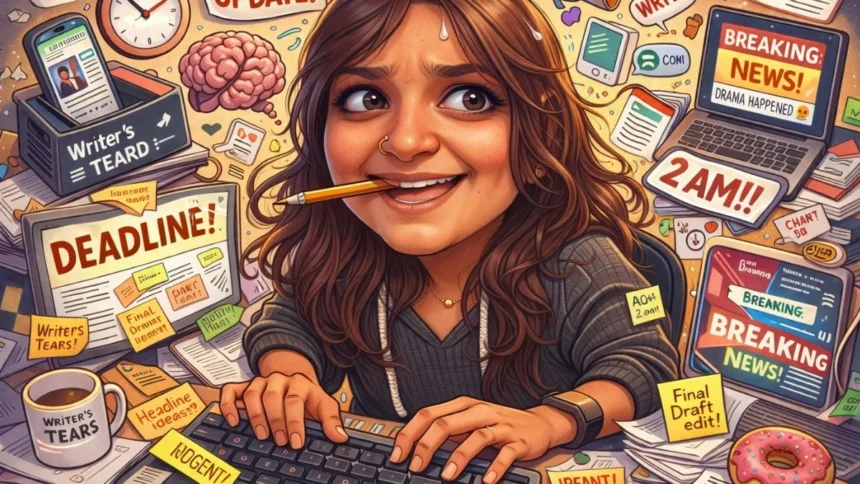
In February 2026, a new trend quietly took over social media feeds. Users began sharing personalised caricatures created using OpenAI’s ChatGPT, and the results felt a little too accurate for comfort.
These weren’t just random cartoon filters. The images showed people at their actual jobs, surrounded by familiar tools, hobbies, and small personal details that made you feel, “Oh, that’s literally me”
Although many found it fun, the trend also triggered a bigger question: how much does ChatGPT really know about us?
What is ChatGPT Caricature?
ChatGPT caricature is a new trend, where users are sharing AI-created images of their work and hobbies.
Unlike older AI image trends, this one leaned heavily on personalisation. Users upload a clear photo of themselves and ask ChatGPT to “create a caricature of me and my job based on everything you know about me.”
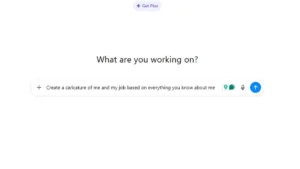
The AI then combined the photo with information pulled from the chat history to make a cartoonish caricature image.
It has been in so many trends as people are continuously posting cartoon-style portraits showing their profession, favourite accessories, daily routines and even niche interests.
Why the Results Feel Unsettling
ChatGPT’s image tools, powered by GPT-4o for paid users, can generate images in seconds. What surprised many people is not the art style, but the context.
Some caricatures included exact workplace settings, professional tools, or personal habits that users didn’t remember clearly, explaining them in one place. It showed how small details shared over months or years can quietly stack up into a clear profile.
Even when details weren’t explicitly shared, users noticed the AI making accurate guesses based on conversation patterns, which created suspense in people.
How Data Builds Up Over Time
Every question you ask, every topic you discuss, and every preference you mention becomes part of your chat history. On its own, one message means very little. But over time, those messages create a picture of who you are.
Security experts warn that combining a facial photo with personal details, job, interests, and lifestyle makes the data far more sensitive.
While OpenAI says it does not sell personal data, policies can change, and large data collections always carry risk.
Other Viral AI-Generated Image Trends
ChatGPT has been at the centre of viral image trends before. In 2025, users turned themselves into Studio Ghibli-style characters or Barbie-inspired figures. Those trends focused mostly on visual style.
The caricature trend is different. It’s less about looking cute or cinematic and more about how deeply the AI understands individual users.
This change is what people make it doubt.
Free Vs Paid Access
Creating these caricatures requires ChatGPT’s image upload feature, available on web and mobile. Free users are limited to a small number of image generations per day using DALL-E 3, while paid users get higher limits and faster results.
The easier and cheaper it is to take part, the faster the trend spreads, and that’s exactly happened.
Should Users Stop Creating Caricatures?
No, but be mindful of any AI-trend you are taking part in.
The caricature trend is a reminder that AI doesn’t forget easily. Fun features are built on data, and the more you share, the more detailed the output becomes.
So, what feels harmless today could feel invasive tomorrow if policies or use cases shift.
Also Read: OpenAI Takes On TikTok With Sora, A Social App For AI-Generated Videos