



Which Countries Use Phones and Smartwatches Most for Shopping
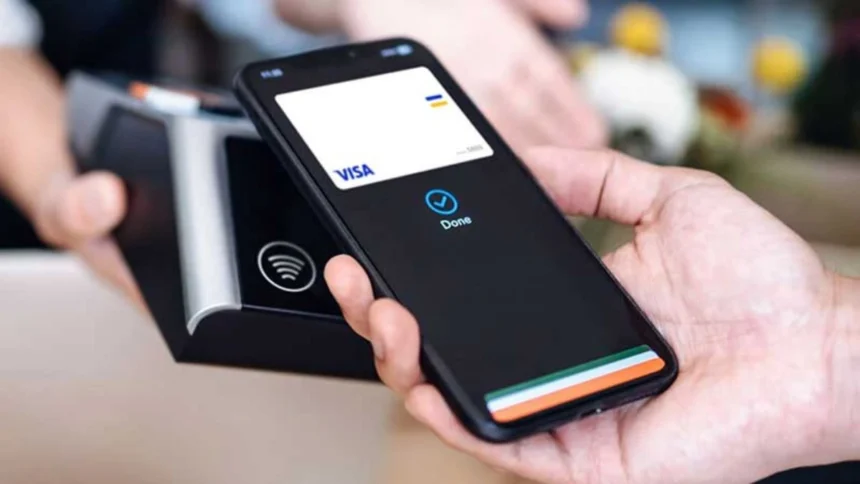
Mobile technology is changing everyday life, including how people pay for goods. More shoppers in Europe are now using phones and smartwatches at payment terminals. This shift has become stronger in recent years, as consumers enjoy faster and more convenient ways to shop.
Across the euro area, mobile payments at shops are increasing. Although cash and cards are still common, more people are making purchases with digital wallets and other mobile apps. The payment landscape is not the same everywhere. Some countries are moving faster than others, and the difference between them is clear.
Mobile Payments Are Growing
In 2024, mobile payments made up 6 percent of all point-of-sale payments in the euro area, and they accounted for 7 percent of the total value. In 2019, both numbers were only 1 percent. This shows how quickly habits are changing.
Mobile payments include phones, smartwatches, fitness bands and other smart devices. These payments are made through digital wallets or mobile apps. They allow people to pay without carrying cash or cards, and the process is quick at the checkout.
Even with this growth, most payments are still made the traditional way. According to the survey, 75 percent of day-to-day payments are made at physical point-of-sale terminals, 21 percent online, and 4 percent person-to-person, such as sending money to a friend.
Cash and Cards Still Lead
Cash is still used more often than any other method. It accounts for 52 percent of transactions, but only 39 percent of the total value. This means cash is used more for smaller purchases.
Cards make up 39 percent of transactions, but 45 percent of the total value. Cards tend to be used for higher-priced items, which explains why their share of value is higher than their share of volume.
Mobile payments represent 6 percent of transactions, but 7 percent of the value. This shows that mobile payments are used for both small and medium purchases, and their importance is increasing.
The Netherlands Leads in Mobile Payments
Among 20 countries in the euro area, the Netherlands is very different from the others. It has the highest use of mobile payments at shops.
Almost one in five transactions (19 percent) at point-of-sale terminals in the Netherlands are made using mobile devices. Digital payments are seen as fast and convenient. A spokesperson for the Dutch Central Bank said people in the country prefer contactless payments, using debit cards or smartphones, rather than cash or traditional card payments.
Ireland and Finland also show strong use of mobile payments, both with 10 percent of transactions.
At the other end, Slovenia, Croatia and Belgium have the lowest shares. Only 3 percent of transactions in these countries are made with mobile devices.
Differences Among Big Economies
Among the four largest economies in the European Union, Spain is the only country where the share of mobile payments is above the euro area average. Spain has a 7 percent share.
Germany matches the average at 6 percent. France and Italy are below this level, which means they have a slower rate of adoption. The differences show how behaviour and habits vary across Europe.
Payment Value Shares
In terms of the total value of payments, the Netherlands is again in first place. It has a 17 percent share of mobile payment value. Spain follows with 12 percent.
Croatia, Belgium, Portugal and Austria record the lowest values. This means that in these countries, people use smart devices less often for higher-value purchases.
Why People Choose Mobile Payments
Many users like the speed and ease of paying with smartphones or watches. They do not need to carry physical cards or cash. Digital literacy also helps more people adopt these methods. For some, paying with a smart device is now their normal habit.
Mobile payments have become a practical way to shop. They are fast at the checkout, easy to use and comfortable. For daily purchases, many people feel they do not need anything else.
Why Some People Still Do Not Use Them
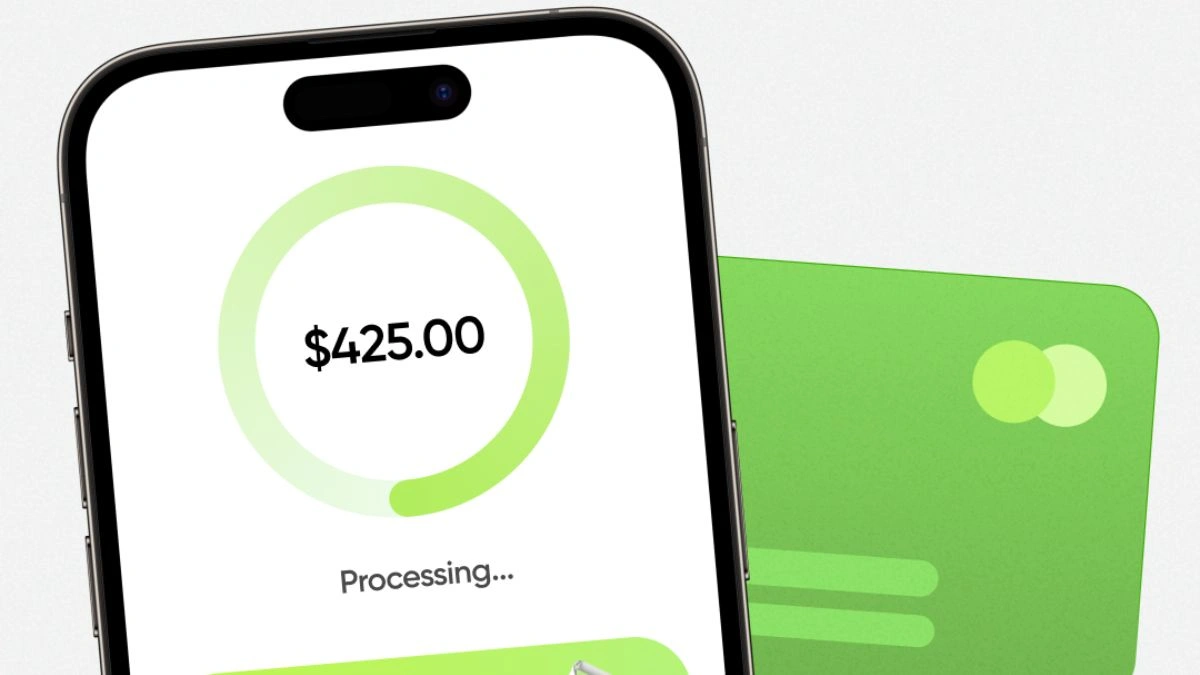
Even though mobile payments are increasing, some people still prefer other options. The report shows that security concerns are a major barrier. Many non-users worry about hacking or fraud. Around 28 percent mention hacking concerns and 27 percent mention fear of fraud. These worries stop some consumers from trying mobile payments.
This shows that technology alone is not enough. Trust and confidence are also important. As digital services become safer and more common, more people may begin to use smart devices for shopping.
Mobile payments are growing across Europe, and phones and smartwatches are becoming more common at checkout counters. Growth is strongest in the Netherlands, where almost one in five transactions use mobile devices. Spain, Ireland and Finland also show high usage.
Cash and cards still remain the most widely used methods. But mobile payments are rising every year, especially in countries where shoppers feel the process is fast and convenient.
For many people, smart devices offer a new way to shop that fits their daily life. As technology continues to improve, the share of mobile payments is likely to increase further.
FAQs
Q1. Which country uses mobile payments the most?
A. The Netherlands has the highest share, with 19 percent of POS transactions made through mobile payments.
Q2. How much of euro area payments are made with mobile devices?
A. Mobile payments make up 6 percent of transactions and 7 percent of total value.
Q3. Which countries have the lowest usage of mobile payments?
A. Slovenia, Croatia and Belgium have the lowest shares, at 3 percent.
Q4. Do cash and cards still dominate?
A. Yes. Cash is used for 52 percent of transactions, and cards for 39 percent.
Q5. Why do some people avoid mobile payments?
A. Concerns about hacking and fraud are major reasons. Many non-users are still cautious.
Also Read- Top 5 Solar Watches You Can Buy: Reliable, Stylish And Low-Maintenance