





CES 2026: The Gadgets Set To Transform Homes This Year: The Consumer Electronics Show in Las Vegas has come to a close, and CES 2026 has made one thing clear: the future of home technology is arriving faster than expected.
From stunning new televisions to powerful laptops built on cutting-edge American-made chips, this year’s announcements weren’t just flashy concepts. Many of these products will hit store shelves within weeks, and surprisingly, several are priced for everyday buyers rather than just tech enthusiasts.
What CES 2026 showed us is simple: smarter, more immersive technology is about to become a normal part of daily life.
CES 2026: Micro RGB TVs Take a Big Step Forward
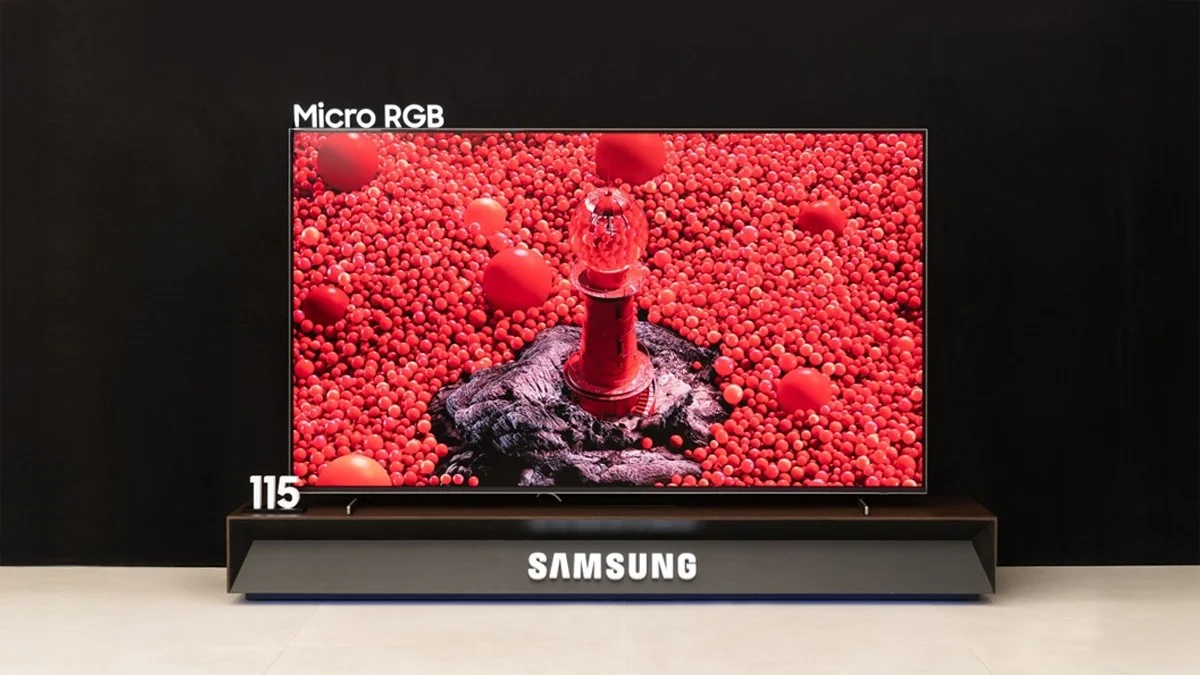
The race to define the next generation of televisions is heating up, and Micro RGB displays are leading the charge. Samsung and LG both introduced this new screen technology, which promises brighter visuals and more accurate colours than today’s OLED and Mini LED TVs, according to Engadget.
Samsung turned heads with a massive 130-inch concept TV, building on its 115-inch flagship model that launched last August for $29,999 (£22,206). The big change this year is accessibility. Samsung confirmed it will roll out Micro RGB TVs in popular sizes like 55, 65, and 75 inches, alongside larger options including 85, 100, and 115 inches.
LG followed closely, announcing its own Micro RGB displays in 75-, 86-, and 100-inch sizes. It also revealed an updated 100-inch Wallpaper OLED TV aimed at buyers who want a sleek, premium look.
For shoppers on a tighter budget, Amazon is stepping into the high-end TV space with the Ember Artline. Starting at $899 (£665.45) for a 55-inch 4K OLED model, it’s set to ship this spring. The TV connects with Amazon Photos and displays up to 2,000 artworks when not in use, turning your screen into digital wall art.
CES 2026: Intel Makes a Strong Return With New Chips
Intel is making a major comeback with its Core Ultra Series 3 processors, built using its new 18A process technology. According to the company’s newsroom, Intel calls 18A “the most advanced semiconductor process ever developed and manufactured in the United States.”
These chips pack serious power. The top versions feature up to 16 CPU cores and deliver up to 60% better multithread performance. Intel also claims up to 77% faster gaming compared to the previous Lunar Lake generation. On top of that, select laptops can now reach battery life of up to 27 hours.
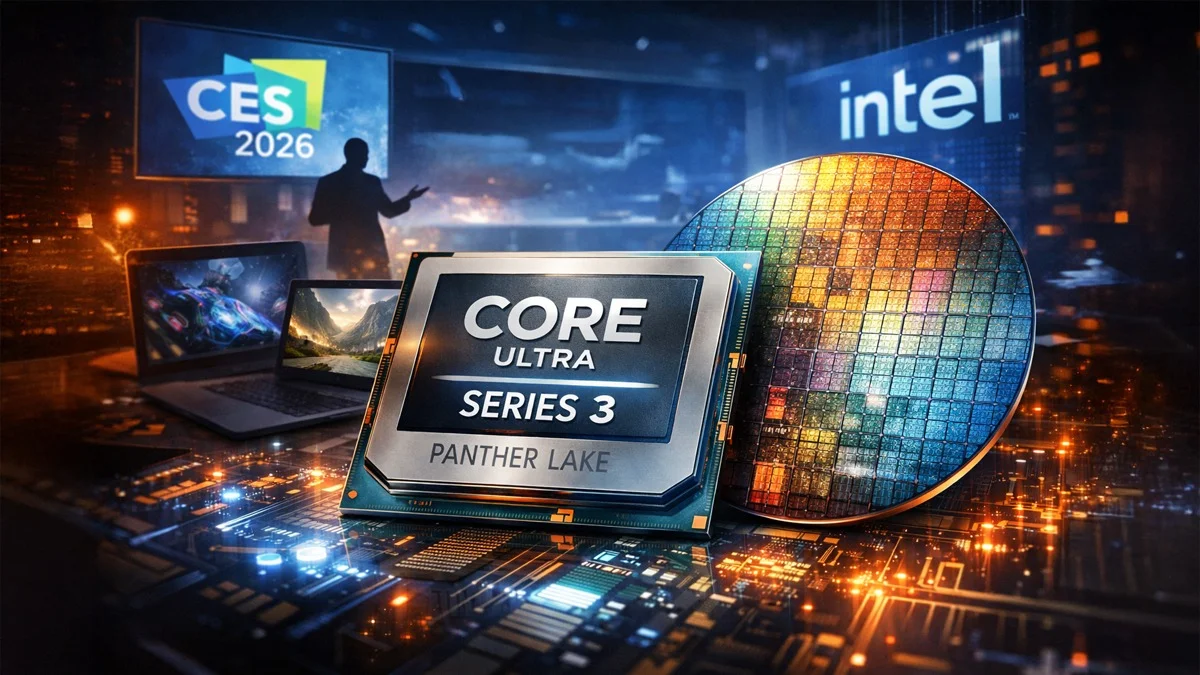
Pre-orders for laptops with these processors opened on 6 January, with global availability starting 27 January. More than 200 laptop models from brands like Samsung, Dell, and ASUS will use these chips throughout 2026. Highlights include Samsung’s Galaxy Book 6 lineup and Dell’s refreshed XPS series.
Gamers also have something special to look forward to. ASUS revealed the ROG Zephyrus Duo, a dual-screen laptop with two 16-inch OLED displays and support for NVIDIA’s latest RTX 5090 graphics.
CES 2026: Charging Gets Smarter and More Useful
Charging technology is becoming more intelligent and user-friendly. Anker introduced its Nano Charger, priced at $40 (£29.61), which can recognise your iPhone model and adjust charging power automatically. It’s expected to launch later this month.
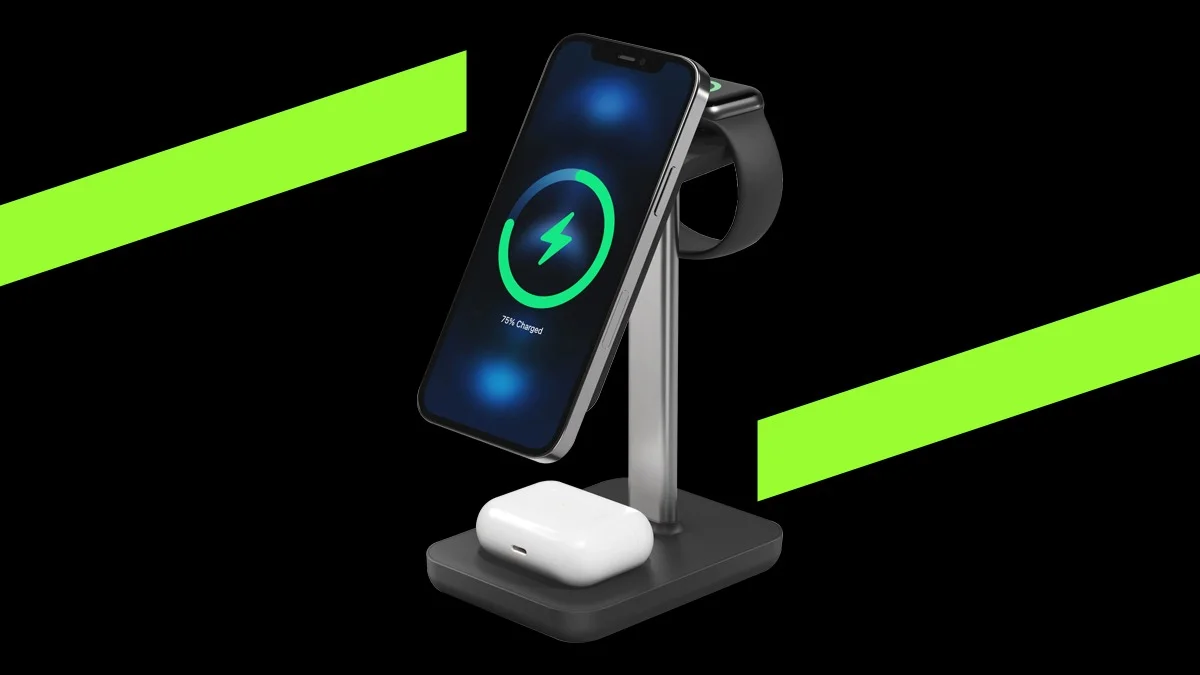
Belkin also had a strong showing. The company unveiled a Nintendo Switch 2 charging case priced at $100 (£74.02). It includes a built-in 10,000mAh power bank capable of delivering up to 30W fast charging, along with an LCD screen that shows remaining battery life.
Belkin’s UltraCharge Pro Power Bank, also priced at $100 (£74.02), is scheduled to ship next month.
CES 2026: Home Robots Start Feeling More Real
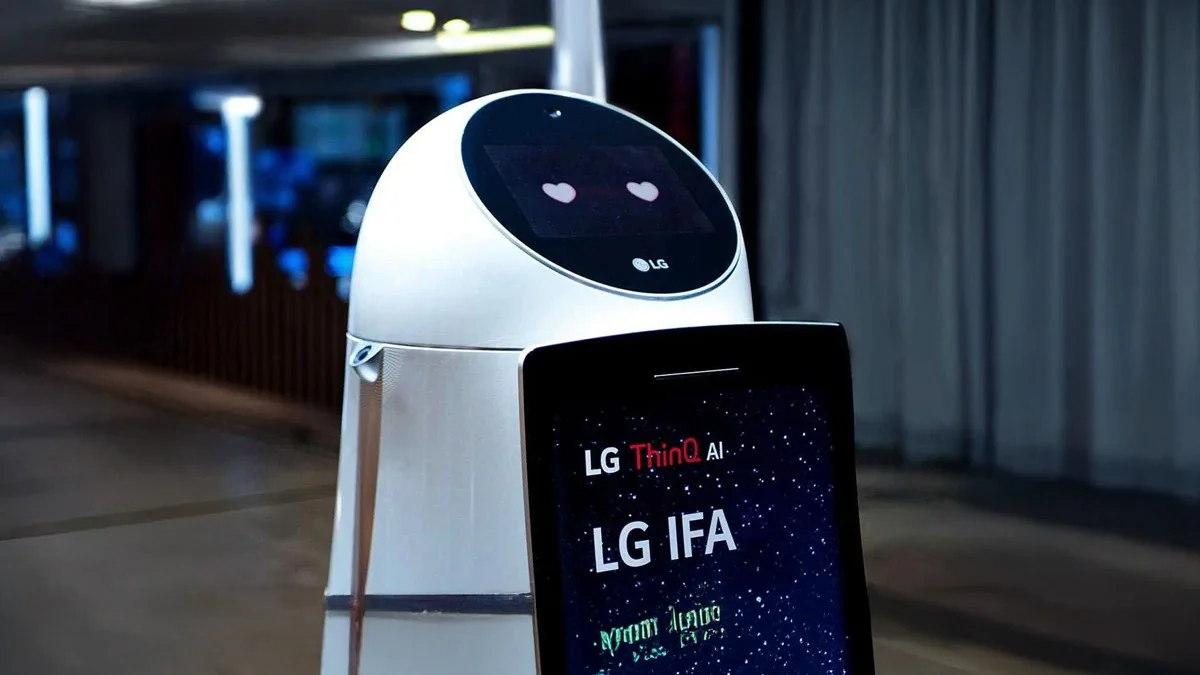
Home automation continues to inch closer to everyday reality. LG introduced its new helper robot, CLOiD, designed to assist with chores like laundry, folding clothes, loading dishwashers, and even delivering meals. While CLOiD is still more of a concept than a finished product, it offers a clear look at where smart home technology is headed.
Boston Dynamics shared major news as well, announcing that its Atlas robot is officially entering production. The company is partnering with Google DeepMind to integrate Gemini AI, with early use planned for automotive factories. Broader applications are expected down the line.
For families and kids, Lego showcased its Smart Brick technology. Star Wars-themed sets featuring motion sensors and built-in audio range from $70 (£51.81) to $160 (£118.43). The bricks can play iconic sounds like lightsaber effects and The Imperial March, making playtime more interactive.
Amazon also expanded its AI assistant with a web-based version of Alexa+, allowing users to access its generative AI features beyond smart speakers and displays.
Overall, CES 2026 made one thing clear: technology that once felt futuristic is quickly becoming part of everyday life. From how we watch movies and charge our devices to how we relax and manage chores, the line between science fiction and reality is growing thinner every year.
ALSO READ: Samsung Galaxy S26 Ultra Could Add Privacy Display To Stop Shoulder Surfing