



Best Wearable Tech for Stress Tracking: Top Picks and Why They Matter
Stress tracking has become a normal part of everyday life. Many people now wear devices that show how tense they feel before they even notice it themselves. A watch or a smart ring can highlight stress spikes through data. However, experts believe that the most important part is what you do with that information after you collect it. The goal is not to become obsessed with numbers, but to understand the signals your own body gives you every day.
- Best Wearable Tech for Stress Tracking: Top Picks and Why They Matter
Wearable technology is now small, stylish and packed with sensors. These sensors can show how your heart rate changes, how well you slept and when your body feels tired. This makes it easier to see patterns. The main purpose is not to compare yourself with others, but to recognise the rhythms of your stress and how your lifestyle affects it. When used correctly, these devices can become tools for awareness and change.
Why Stress Tracking Matters
NLP and wellness coach Aron Jameson works with corporate clients to help them regulate stress. He believes that stress metrics are valuable, but not because they are medical tools. For him, they open a window into habits and state of mind. He shared that heart-rate variability, sleep quality and movement are especially helpful when used with curiosity. These numbers can show how the body reacts throughout the day.
Aron explained that the key is not perfection. Instead, people should look at how certain events change their state. For example, what raises heart-rate variability? What moment in a day lowers breathing? When this information is collected over time, it becomes possible to see patterns. Those patterns can then be used to make lifestyle changes. Rather than chasing perfect scores, the goal is self-awareness and emotional stability.
Sleep plays a major role as well. Aron added that sleep influences emotional resilience. When sleep patterns are monitored and improved, people can show up more grounded and prepared. The idea is that healthy sleep supports healthy emotions. A well-rested mind can handle daily stress more easily.
Turning Data Into Daily Habits
Aron pointed out that consistency is where the real value lies. It is not just a single number on one day. It is the patterns over days and weeks that matter. Tracking stress helps people see what triggers certain reactions. They can then decide how to respond.
The score systems offered by wearables are helpful for building awareness. These scores show how stress, emotions and behaviour connect. By looking at trends, individuals can reinforce healthier habits. The result is a more resourceful state of being, rather than a life driven by stress.
The Best Wearables for Stress Tracking
A wide range of devices now offer stress-tracking features. Some are rings, some are watches. All of them aim to show how the body reacts to tension, rest and recovery. Below are some of the best options available, each offering unique benefits.
Oura Ring 4

The Oura Ring Gen 4 is one of the most popular wearables for stress tracking. It fits comfortably on the finger and collects key data such as heart-rate variability, skin temperature and breathing shifts. By observing these changes, users can see how their body responds to stress.
Every morning, the ring provides a “Readiness Score.” This score shows whether the body is prepared for activity or needs to slow down. The ring is discreet, made from titanium and lasts up to a week on a single charge. It offers deep insights without distracting notifications or a large display. It is ideal for people who want detailed stress information in a very small device.
Samsung Galaxy Watch 7
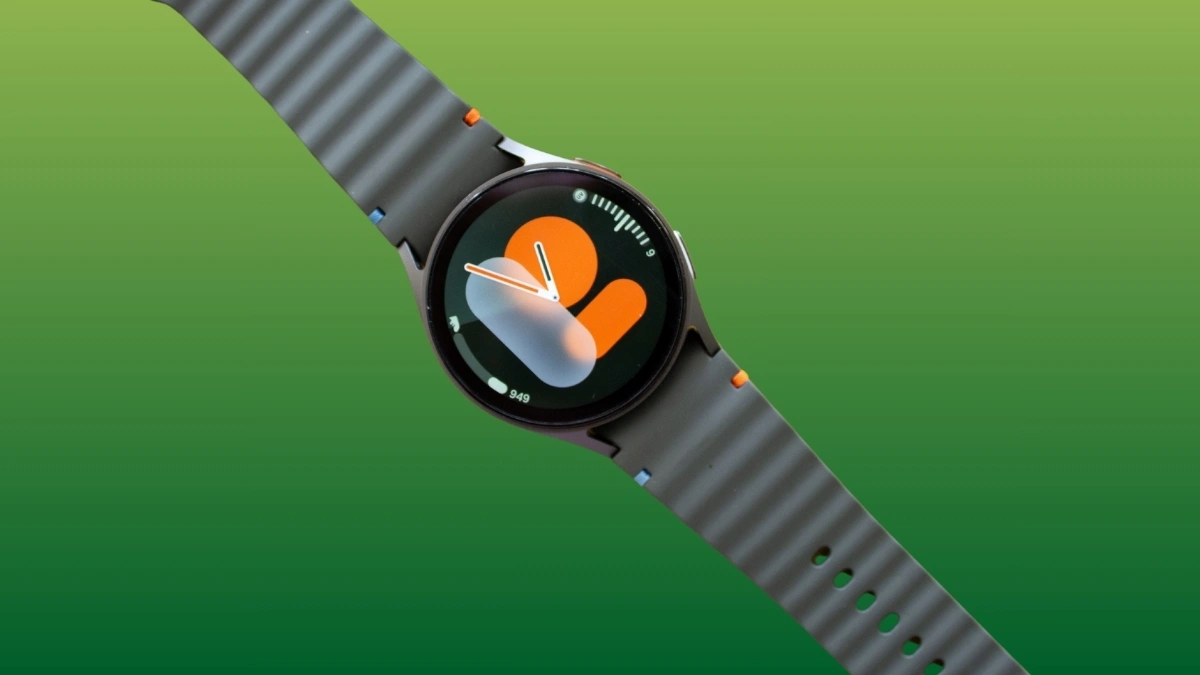
Samsung’s newest smartwatch uses continuous heart-rate variability monitoring to detect stress. When stress levels rise, the watch suggests actions such as breathing exercises. Through Samsung Health, users can see how their stress patterns change daily. The watch also provides an “Energy Score.” This shows how ready the body is to handle the day.
The Galaxy Watch7 also tracks sleep, gives fitness coaching and offers a stylish design. It blends daily function with wellbeing support, making it a strong choice for those who want both features in one device.
Fitbit Sense 2
The Fitbit Sense 2 does more than track stress. It helps to manage it. Its continuous electrodermal activity sensor checks tiny skin and heart-rate changes. When stress rises, the watch prompts the user to pause and take a breath.
The device also produces a daily Stress Management Score. This score uses sleep, activity and heart-rate variability to show how well the user is coping. The Sense 2 is easy to wear and simple to understand. It combines Fitbit’s wellness strengths with real-time stress support.
Google Pixel Watch 2
The Pixel Watch 2 combines Google design with Fitbit’s wellness technology. It uses a continuous electrodermal activity sensor to detect subtle changes in the skin and heart rate. When stress levels go up, the watch suggests breaks or guided breathing.
A daily Stress Management Score is created from sleep, activity and heart-rate variability. Users can see patterns that appear across days instead of focusing on single moments. The Pixel Watch 2 is sleek, lightweight and made for people who want balance alongside productivity.
Samsung Galaxy Ring

The Galaxy Ring is a lightweight titanium band that tracks heart-rate variability, sleep and temperature. Each morning, Samsung Health provides an “Energy Score.” This score shows how well the body has recovered. It also gives suggestions to slow down when needed.
The ring has no screen, but provides detailed insights. It lasts up to seven days on one charge and is fully water resistant. This device works well for those who want stress tracking without wearing a watch.
Garmin Venu 3
The Garmin Venu 3 measures stress and recovery using heart-rate variability. It shows when the nervous system is under pressure or needs rest. The device provides a daily stress score, real-time alerts and Body Battery readings. These features show how much energy the user has left in the day.
It also includes sleep tracking and guided breathwork. This smartwatch is designed for people who want a complete view of stress and recovery. It helps manage tension rather than simply record it.
Luna Ring
The Luna Ring offers stress tracking through a simple, elegant design. It measures heart rate, skin temperature and heart-rate variability. The companion app translates the data into simple guidance. It helps users decide when to push ahead or when to rest.
The ring is lightweight, water resistant and has no subscription. It suits people who want meaningful tracking without wearing a smartwatch.
Amazfit Balance 46mm
For those who want stress tracking on a budget, the Amazfit Balance is a strong option. It uses sensors to measure heart-rate variability and skin temperature. The companion app shows a “Readiness” or “Stress” score to reveal how the body is coping.
The device offers up to 14 days of battery life. Users can customise alerts so they are not overwhelmed. While it may not match premium models, it offers strong value and useful wellness tracking.
HUAWEI Watch GT 4
This watch supports automatic stress tests through the HUAWEI Health app. It measures heart-rate variability when resting to calculate stress levels. Users can see stress scores and HRV trends, especially at night. The watch gives recovery suggestions when the system is under pressure.
It offers long battery life and is ideal for those who want practical support at a lower price.
Polar Vantage V3
The Polar Vantage V3 is designed for people who take stress tracking seriously. It includes sensors for skin temperature, heart-rate variability and ECG. It provides deep information on recovery and strain.
Every morning, users receive detailed recovery metrics. This helps them decide whether to push forward or slow down. The watch has a bright screen and premium style. It is for those who want more than a simple stress alert.
Verdict: The Top Pick
Among all the wearables, the Oura Ring 4 stands out as the best option. It offers precise monitoring of heart-rate variability and temperature. It has a sleek design and lasts up to a week on one charge. Most importantly, it gives deep insights without constant distractions. It helps users understand their body’s stress signals in a discreet way. For people who want advanced stress tracking without wearing a large device, it is the strongest choice.
Stress tracking is no longer just about numbers. It is about knowing when your body needs rest and when it has energy. Wearable devices can highlight patterns over time. They help people build healthier sleep habits, emotional balance and daily awareness.
The true power of tracking lies in consistency. When used correctly, the data becomes a guide for living with more calm, focus and resilience.
FAQs
Q1. Why should I track stress?
A. Tracking stress helps you notice patterns so you can choose healthier habits and emotional responses.
Q2. Do I need a smartwatch for stress tracking?
A. No. Some top devices are rings, such as the Oura Ring and Galaxy Ring.
Q3. How do wearables measure stress?
A. They use heart-rate variability, skin temperature and breathing changes to show how your body reacts.
Q4. Which device gives a readiness score?
A. The Oura Ring shows a “Readiness Score” every morning to reveal how prepared you are for the day.
Q5. What is the main benefit of stress scores?
A. Scores help you see triggers, patterns and behaviour links so you can manage stress better over time.
Also Read- Google Is Adding A Way To See Which Apps Drain Your Phone Battery Most