




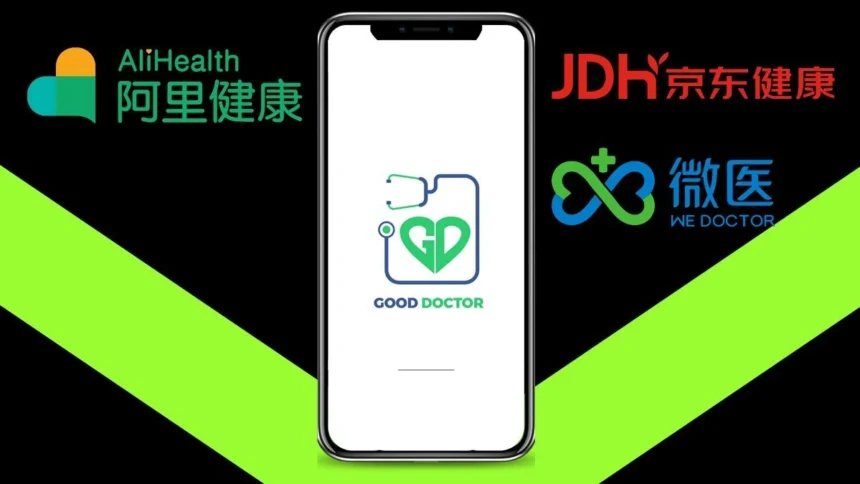
Top 7 Healthcare Apps in China Leading the Digital Health Revolution: China’s healthcare technology landscape has experienced explosive growth over the past decade, driven by widespread smartphone adoption, government policy support for telemedicine, and rapid advancements in artificial intelligence. Mobile health apps now offer comprehensive services ranging from teleconsultations and chronic disease management to online pharmacies and AI-assisted care.
In this article, we rank the Top 7 healthcare apps in China in 2025, highlighting what makes each app a leader in its category based on usage, innovation, and service breadth.
Top Healthcare Apps In China In 2025:
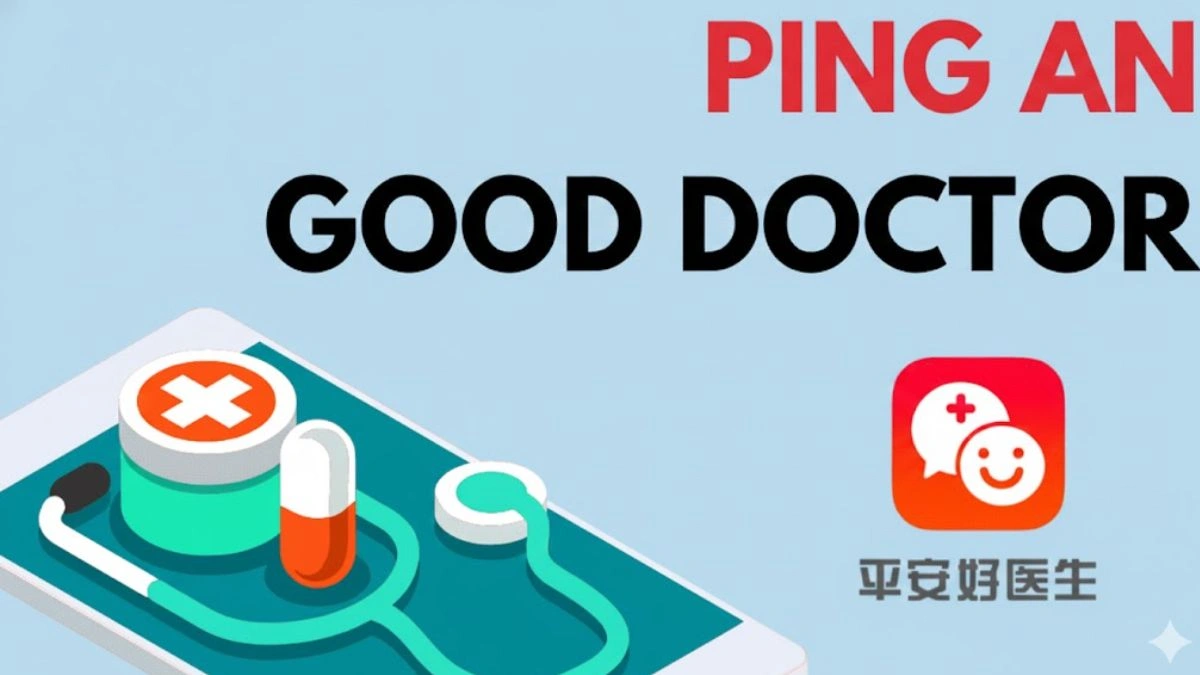
1. Ping An Good Doctor
Ping An Good Doctor is one of China’s most established and widely used digital healthcare platforms. Founded in 2014 and backed by Ping An Insurance, the app provides 24/7 online consultations, hospital referrals, appointment booking, and health management services.
Why it matters:
- Operates as a comprehensive telemedicine platform connecting patients with doctors nationwide.
- Offers online prescriptions and medicine delivery in partnership with pharmacy outlets.
- Continues to lead in digital health market share and adoption.
2. WeDoctor (Guahao)
WeDoctor, originally known as Guahao, has become a major digital health ecosystem focused on appointment scheduling, teleconsultations, and chronic care management.
The platform integrates deeply with China’s hospital network, enabling users to access a broad range of medical services conveniently through mobile devices.
Key strengths:
- Extensive connections with hospitals and healthcare providers across the country.
- Supports online doctor consultations and follow-ups.
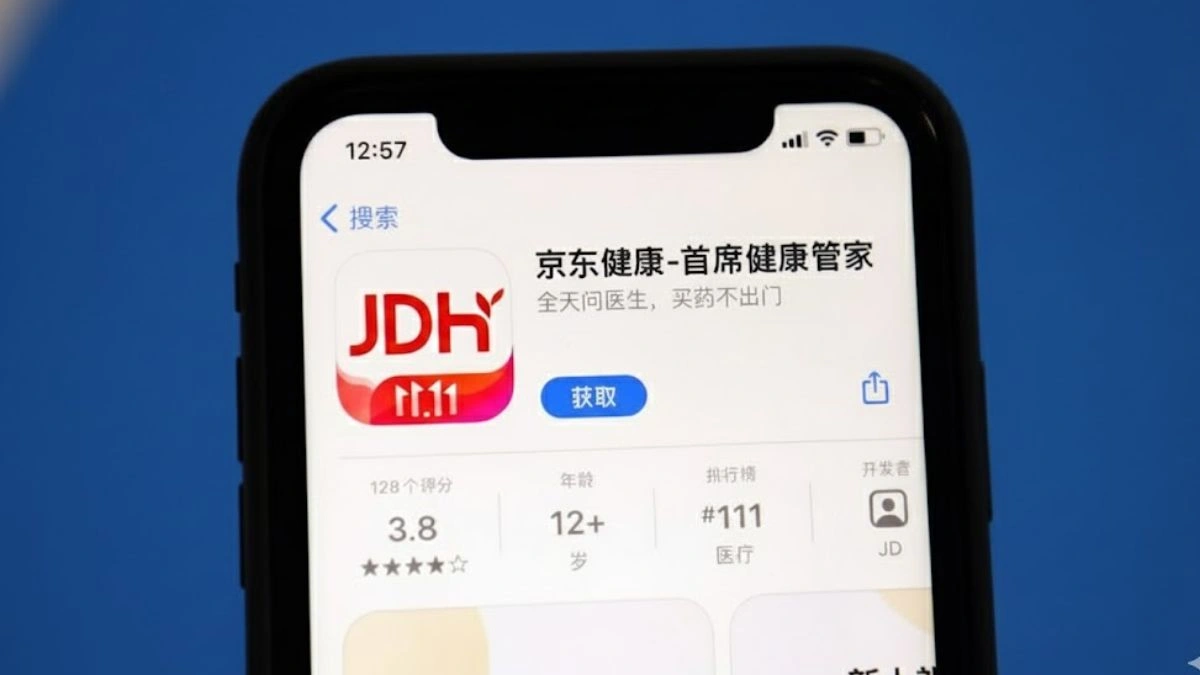
3. JD Health
JD Health is the healthcare arm of JD.com, combining telemedicine with e-commerce and pharmacy delivery capabilities.
Since launching services like JD Family Doctor, the app has expanded its reach to family-oriented care and personalized health management.
Standout services:
- Teleconsultations and chronic disease care programs.
- Integrated online pharmacy and medicine delivery services.
4. AliHealth (Alibaba Health)
AliHealth is the digital health subsidiary of Alibaba Group, offering a range of healthcare services deeply integrated with Alibaba’s ecosystem including Taobao and Alipay.
The platform supports online medical consultations, e-prescriptions, and medicine delivery, leveraging Alibaba’s logistics and cloud infrastructure for service delivery.
What sets it apart:
- Strong e-commerce ecosystem underpinning healthcare services.
- Seamless integration with other popular consumer platforms.
5. Fangzhou Online Pharmacy
Fangzhou’s online pharmacy app has become one of China’s most active healthcare vertical platforms, especially in medicine delivery and chronic disease support.
According to recent analytics, it has frequently ranked at the top of China’s App Store healthcare charts and maintains millions of active users.
Why users engage with it:
- AI-powered engagement and personalized health solutions.
- Broad drug catalog and strong logistics support.
6. Mini-Programs Within WeChat & Alipay
While not standalone apps, WeChat and Alipay mini-programs play a central role in China’s healthcare ecosystem by offering appointment bookings, test results access, and telemedical services directly within their super-app environments.
Benefits of mini-program healthcare services:
- Extremely high daily active user base given the popularity of super apps in China.
- Integration with national health code systems and local services.
7. Dingxiang Doctor / Other Emerging Platforms
Platforms like Dingxiang Doctor (丁香医生) provide trusted medical information, drug guides, and consultations, adding valuable healthcare resources in China’s digital ecosystem.
While these may not have the usage scale of the giants above, they remain important for specialized health information and community trust.
China’s mobile healthcare market continues to innovate rapidly as digital health becomes an ordinary part of everyday life. From robust telemedicine platforms like Ping An Good Doctor and WeDoctor to deeply integrated super-app solutions within WeChat, the diversity of offerings highlights a thriving ecosystem that expands access to care and improves health outcomes.
Frequently Asked Questions
Q1. What defines a top healthcare app in China?
A. Top apps combine broad accessibility, integration with clinical services, teleconsultations, pharmacy access, and emerging AI support.
Q2. Are these apps free to use?
A. Most offer basic services free, with premium paid options for advanced care or specialist consultations.
Q3. Can foreigners use these apps in China?
A. Some platforms support English interfaces or global user access, but many are predominantly in Chinese.
Q4. What role do AI features play in these apps?
A. AI is used for triage, symptom checking, personalized advice, and chronic disease monitoring to enhance patient engagement.
Q5. How do these apps support the national health system?
A. They improve healthcare access especially in rural areas, reduce hospital congestion, and provide follow-up care outside traditional clinical settings.
Also Read- OnePlus End-of-Year Launch Pad Go 2 And Watch Lite Upgrades