



Switching to eSIM: Everything You Need to Know Before Making the Change
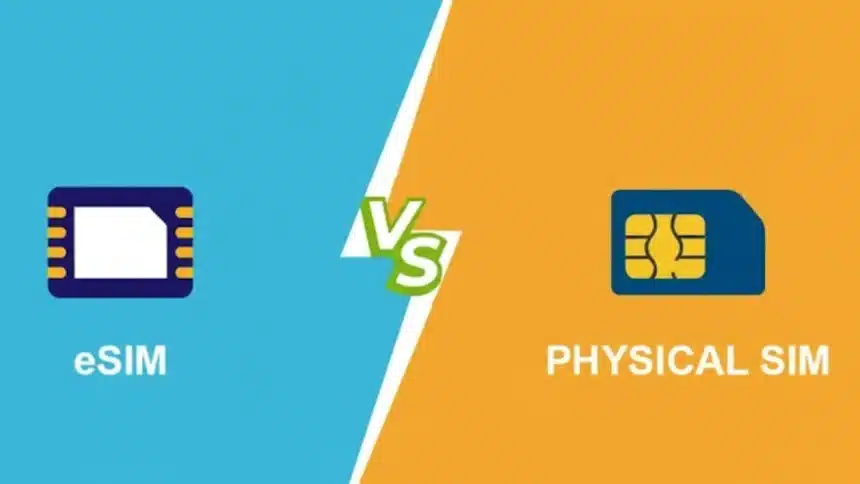
The shift from physical SIM cards to eSIM technology is becoming one of the biggest changes in the smartphone world. For years, tiny plastic SIM cards were essential for connecting your phone to mobile networks. They needed to be inserted manually, swapped whenever you changed networks, and handled very carefully. But now, phone makers are moving towards fully virtual electronic SIMs, known as eSIMs.
- Switching to eSIM: Everything You Need to Know Before Making the Change
Some phones, especially in the US, no longer include a physical SIM slot at all. Apple moved to eSIM-only with US versions of the iPhone 14 and later. Globally, most iPhone models still offer a nano SIM slot along with eSIM support, but that changed with the iPhone Air, which removed the SIM slot worldwide. Google’s Pixel 10 series also removes the SIM tray in the US, while global models still keep it. Other major Android brands have not made the full switch yet, but experts believe the transition is coming soon.
As eSIM becomes more common, many users have questions. What is an eSIM? How does it work? What are its benefits, and does your device support it? This guide explains everything clearly using only the information provided.
What Is an eSIM?
An eSIM is a digital version of the traditional SIM card. Instead of a removable plastic card placed into a tray, the eSIM is built directly into your phone’s motherboard. It works just like a normal SIM by connecting your device to a mobile network for calls, messages, and data.
The major difference is that an eSIM cannot be removed physically. However, it is completely rewritable, which means you can change your mobile carrier or your number without needing a new SIM card. Everything is handled digitally through software.
Having the SIM built inside the device means you do not need to worry about losing a tiny card, damaging it, or keeping ejector tools. The whole process is faster and cleaner.
How Does an eSIM Work?
Setting up an eSIM is simple, even if it looks different from inserting a traditional SIM card.
When you buy a mobile plan or switch carriers, your operator will send you a QR code instead of a physical SIM. You just need to:
- Open the Mobile/Cellular settings on your phone
- Use your camera to scan the QR code
- Follow the on-screen steps to activate the plan
Once this is done, your phone connects to the network like normal. There is no waiting for a card to arrive or switching tiny pieces of plastic.
Why Are Companies Moving Toward eSIM?
There are several reasons why device makers prefer eSIM technology. It improves design, convenience, and performance. Industry experts also believe eSIM will become the standard over the next few years.
1. Easier Setup and Switching
Sarah McGarr, CEO of Sim Local, says that eSIM-only “makes it faster and easier to connect to a network.” Users can download a plan within minutes instead of dealing with physical cards. This is especially useful when switching carriers or adding a second number.
2. Better for Travellers
Using a local eSIM while travelling gives a smoother experience than roaming. McGarr explains that travellers using local eSIM plans are treated like local users, meaning better speeds, lower delays, and no roaming charges.
3. Industry-Wide Shift
Ahmet Bahadir Ozdemir, CEO and co-founder of Airalo, says that major brands such as Apple, Google, Samsung and Xiaomi are accelerating the move to eSIM. By 2028, flagship phones in developed markets are expected to be eSIM-only. This shift is not just about removing the SIM tray. It also allows changes in phone design, security improvements, and a better user experience.
4. Better Phone Design
When manufacturers remove the physical SIM tray, they gain extra internal space. This space can be used for:
- Bigger batteries
- Improved waterproofing
- More components or antennas
Since the device needs one less physical opening, it becomes easier to protect it from water and dust.
Who Can Use an eSIM?
Most users today can use an eSIM, but it depends on two things:
- Whether your carrier supports eSIM
- Whether your device supports eSIM
Carrier Support
In countries like the US and UK, major carriers support eSIM. Many global carriers also support it. However, as McGarr points out, “not every mobile network is ready yet.” A traveller may reach a country where their home network does not support eSIM roaming, or local providers have limited eSIM options. This means users still need to check compatibility before travelling.
Device Support
Most modern smartphones from the last four to five years support eSIM.
Below are the devices mentioned in the source:
iPhones That Support eSIM
- All models from iPhone XS, XS Max, XR and later
- US models of iPhone 14 and iPhone 15 have dual eSIM only
- Global models of these phones still include a nano SIM + eSIM
- iPhone Air is eSIM-only worldwide
Android Devices That Support eSIM
- All Samsung phones since the Galaxy S20
- All Google Pixel phones since the Pixel 3
- Many other Android brands also support eSIM technology
Wearables With eSIM
Smartwatches are a major example of why eSIM is useful. Popular models that include eSIM are:
- Apple Watch (Cellular versions)
- Pixel Watch
- Samsung Galaxy Watch models
These watches stay connected for calls, messages and data even when the phone is not nearby.
Benefits of Switching to an eSIM
There are several practical advantages to using an eSIM instead of a traditional SIM.
- Convenience and Speed- You can activate a mobile plan instantly without waiting for a card delivery or visiting a store.
- Dual SIM Made Easy- Many phones allow dual eSIM, letting you keep two numbers without needing two physical SIM slots.
- Ideal for Travellers- Download a local plan within minutes when arriving in another country.
- Improved Phone Design- More room for bigger batteries and easier waterproofing.
Are There Any Challenges With eSIM?
While eSIM offers many benefits, there are a few limitations users should keep in mind.
1. Not All Carriers Support It
Some regions still have limited eSIM support. This may affect travellers or people using lesser-known carriers.
2. Setup Can Be Slightly More Complex
Instead of inserting a card, users must go through digital steps such as scanning QR codes. While easy, it can confuse first-time users.
3. No Physical Transfer
With a physical SIM, moving your number to a new device is as simple as removing the card. With an eSIM, you must repeat the QR activation process.
However, these challenges are becoming smaller as more carriers update their systems.
The Future of eSIM Technology
Experts believe eSIM will soon become the default on most premium phones. As more manufacturers drop the SIM tray, users can expect:
- Slimmer phone designs
- Larger batteries
- Better waterproofing
- Faster network activation
- More reliable connectivity abroad
According to industry predictions, eSIM-only phones will dominate flagship models globally by 2028.
The move to eSIM is already underway, and millions of users have switched without issues. eSIMs make mobile connectivity faster, simpler, and more secure, while also improving phone design. Although not every carrier worldwide is fully prepared, support is expanding quickly. Most modern devices, including major iPhones, Samsung models, Pixel phones, and smartwatches, already support the technology.
Before travelling or switching devices, users should always check whether their carrier supports eSIM. But for most people, the transition will be smooth and beneficial.
FAQs
Q1. What is the main difference between a SIM and an eSIM?
A. A SIM is a removable plastic card, while an eSIM is built into your phone and activated digitally.
Q2. Can I use two numbers with an eSIM?
A. Yes, many phones support dual eSIM, allowing you to use two numbers without physical cards.
Q3. Do all carriers support eSIM?
A. No. Many major carriers do, but some regions still have limited support. Users should confirm before travelling.
Q4. Is setting up an eSIM difficult?
A. Setup is simple. You scan a QR code from your carrier and follow on-screen instructions.
Q5. Which phones support eSIM?
A. All iPhones since the iPhone XS series, Samsung phones since Galaxy S20, Pixel phones since Pixel 3, and many others.
Also Read- Top 10 Best Black Friday AI Deals 2025: Massive Discounts On The Year’s Most Powerful AI Tools