



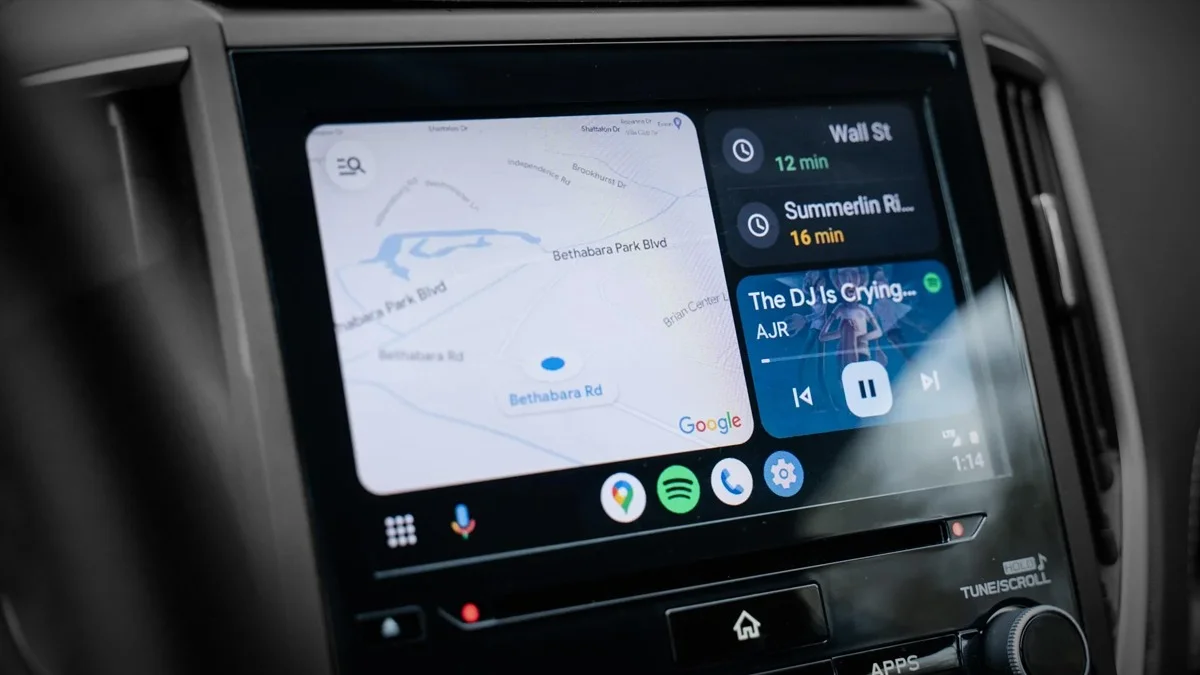
For years, Android Auto has been praised for bringing the best of your phone into your car. But there’s always been one nagging issue: no light theme. Drivers were stuck with a dark interface, which looks great at night but can be tough to see when the sun’s blazing.
Now, with version 14.7, Android Auto finally adds a light mode. It might seem like a small tweak, but it could make a big difference for everyday driving.
A brighter interface for better visibility
The new light theme is all about making the screen easier to read, especially during the day. Dark menus may look cool, but in direct sunlight, they can be a real challenge to see, which just adds frustration and distraction. With a brighter option, Android Auto lets drivers glance at menus and apps more quickly without straining their eyes.
And this isn’t just about comfort. Studies show that screen visibility has a direct impact on road safety. If you’re spending extra time squinting at the display, you’re not focusing on the road. A clearer, easier-to-read screen could help cut down on distractions and even make the system more accessible for people with vision difficulties.
Responding to user expectations
This update is more than just a style change. It shows that Google is paying attention to what drivers actually want. People have been asking for a more flexible interface for years, one that can adjust to different conditions instead of being locked in dark mode. The light theme is a direct response to that feedback, proving Android Auto is willing to evolve with its users.
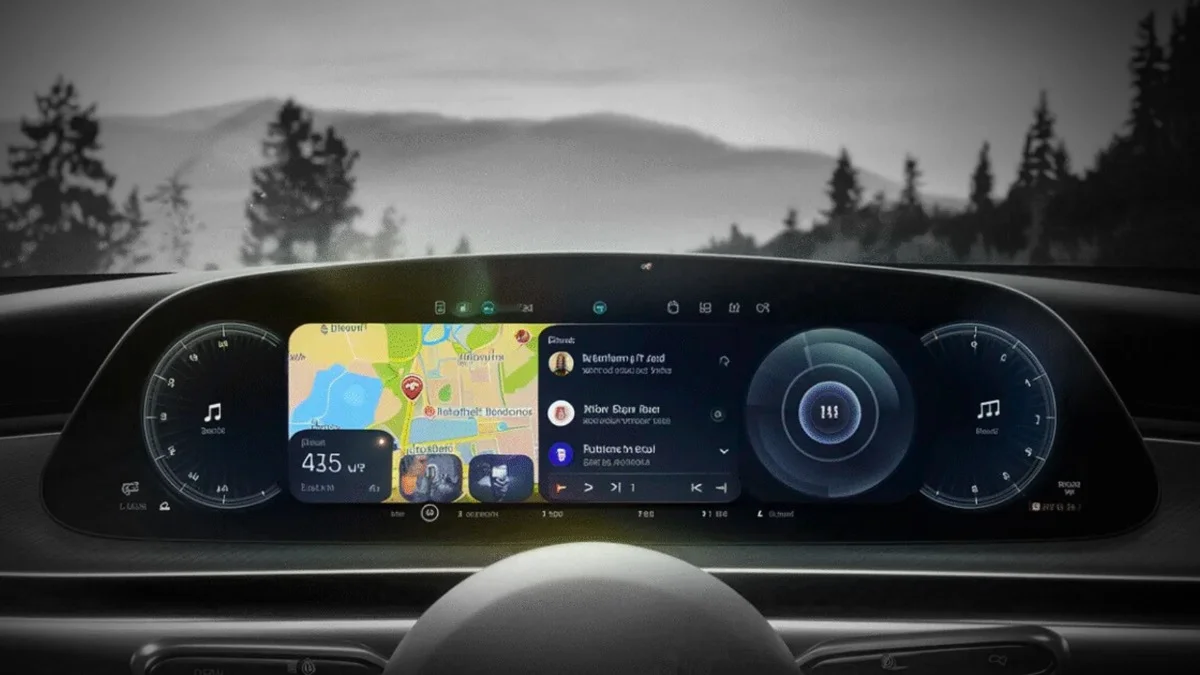
It also ties into a bigger trend across the car tech world: personalisation. Drivers now expect their in-car systems to adapt to their needs, whether that’s choosing dashboard layouts, adjusting infotainment settings, or now, picking between light and dark themes. Flexibility is quickly becoming a deciding factor when comparing Android Auto to Apple CarPlay.
Competition and challenges ahead
Of course, this one update doesn’t end the rivalry. Apple CarPlay is still a strong competitor, and both platforms are looking for ways to stand out beyond just cosmetic improvements. For Android Auto to stay ahead, it will need to keep rolling out useful features such as smarter navigation, tighter app integration, and smoother connectivity.
There’s also the issue of data security. As these systems become more advanced, they handle more personal information, from your contacts and texts to your travel history. Keeping that data safe will be key if Android Auto wants to keep drivers’ trust.
Looking to the future
Adding a light theme may feel like a small step, but it hints at where things are headed. As AI becomes more common in everyday tech, Android Auto could grow into a truly personalised driving companion, learning your habits and adjusting automatically.
And with self-driving technology slowly moving forward, in-car systems are only going to become more important. When cars start handling more of the driving, infotainment will take center stage as the way we spend our time on the road. Android Auto’s ability to adapt now could help it shine in that future.
In the end, the new light theme is more than just a fresh coat of paint. It’s a move toward a safer, friendlier, and more adaptable Android Auto. A brighter screen today might just be the first step toward a smarter driving experience tomorrow.
ALSO READ: Google Will Block Unverified Sideloaded Apps by 2027