



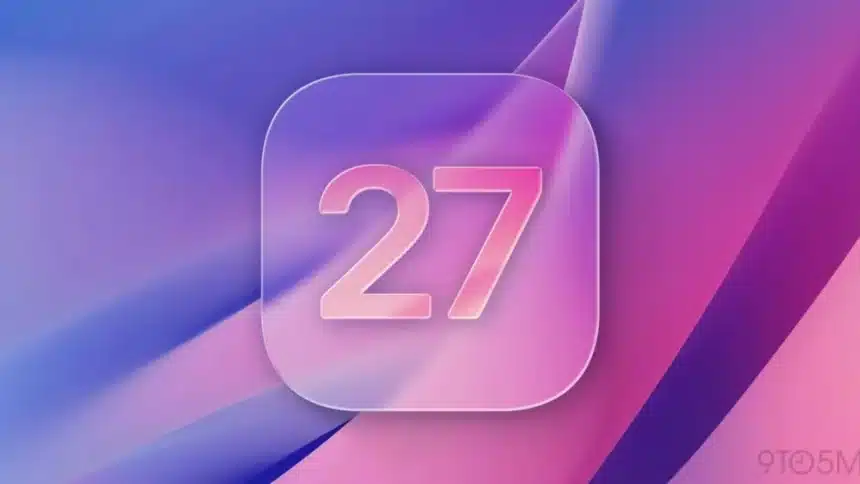
Apple is expected to unveil its next wave of software updates in a few months, including iOS 27, macOS 27, and watchOS 27. But if you were hoping for a major redesign this year, you might want to lower your expectations.
According to a recent report from Mark Gurman in Bloomberg’s Power On newsletter, Apple is unlikely to introduce any major changes to its Liquid Glass interface design in iOS 27. Instead, the company appears to be focusing more on performance improvements and stability upgrades across its operating systems.
Liquid Glass Isn’t Going Anywhere Soon
Apple created the Liquid Glass visual design style to give the user interface a more organic and animated feel. This style is based on using transparency in the design of components like menus and controls, layering different visual elements, and polishing visual elements to look like glass or water.
While some users like this look, many have expressed a dislike for it.
Some users express that the way the UI components are presented has made it difficult to see text or icons in some cases, due to the transparency of the layers in the component and/or the complexity of the background used to create that layer contrast with the text or icon.
However, it appears from Apple’s internal testing of iOS 27 and macOS 27, as reported by Gurman, that they do not plan to make any drastic changes to the current Liquid Glass design any time soon.
This is not surprising as large-scale hardware and software upgrades require years of planning, developing, and implementing on millions of devices. Apple typically maintains a design theme over many generations of software before implementing a significant overhaul of the style they have previously established.
A Leadership Change Inside Apple’s Design Team
Some users believed that Apple’s design would change more this year, in part because of the transition of leadership in Apple’s design community. Alan Dye, the design lead behind the Liquid Glass design aesthetic, reportedly left Apple at the end of 2022 for Meta. Steve Lemay took over the role of design lead from Dye.
When new leadership takes over a team’s direction, users will generally anticipate the development of new visual designs. However, development in the design community of a major corporation like Apple is very slow. Significant changes to user interfaces often require multiple cycles of new product development before they actually show up in a product released to the public.
So even though these designs may be underway, they are unlikely to be shown to the public until iOS 27.
Apple Has Already Tweaked Liquid Glass
Even though Apple hasn’t redesigned the interface entirely, it has quietly added a few customization options over time.
For example, iOS 26 introduced more control over the look of the interface. The iOS 26.1 update added a “Tinted” appearance option for Liquid Glass elements, allowing users to change the colour tone of certain UI layers.
Later, iOS 26.4 brought another tweak that lets users disable some of the brighter Liquid Glass highlights. That change was likely aimed at improving readability for people who found the effect too distracting.
These updates suggest Apple is listening to feedback, but the company is taking an incremental approach rather than rebuilding the interface from scratch.
A New Systemwide Slider Could Be Coming
While big changes might not arrive this year, there is still one interesting feature reportedly being explored.
During the development of iOS 26, Apple was working on a systemwide slider that would let users control how strong the Liquid Glass effect appears across the interface.
The idea is simple. Instead of just choosing between preset styles like Clear or Tinted, users could adjust the intensity of the glass effect themselves.
That means you could potentially reduce transparency for better readability or increase it if you prefer a more dramatic visual style.
Apple reportedly managed to implement this feature for the lock screen clock, where users can already adjust how the design looks. But engineers ran into challenges extending that same control across the entire system, including:
- App folders
- The home screen
- Navigation bars
- System menus
If Apple solves those technical hurdles, the slider could appear in iOS 27 as a broader customization tool.
Why Apple Moves Slowly With UI Changes
Apple tends to be extremely cautious when it comes to redesigning its operating systems. Unlike smaller platforms, iOS runs on hundreds of millions of devices worldwide. Any major visual change affects not just users, but also developers who need to adapt their apps.
That’s why Apple usually evolves its interface step by step instead of introducing dramatic shifts every year.
The company also sees design language as part of its brand identity. Once a look becomes established, it often sticks around for several years with gradual improvements rather than sudden replacements.
What to Expect From iOS 27
If reports are accurate, iOS 27 will likely focus on refinement instead of reinvention.
That means users may see:
- Performance improvements
- Stability upgrades
- Minor design tweaks
- Additional customization options
But the core Liquid Glass design will probably remain largely the same for now.
In other words, Apple seems committed to refining the current interface rather than replacing it overnight. And if the rumoured customisation slider does arrive, it could give users far more control over how the design actually looks on their devices.
Also Read: MacBook Ultra Incoming? Apple Expected To Unveil A Bigger MacBook Pro Soon