





The Simple Online Mistakes That Make You a Hacker’s Favourite Target
Think hackers are all hoodie-wearing geniuses hammering away in a dark basement? Truth is, they don’t even need to try that hard most of the time. Why? Because many of us make basic online mistakes that practically gift-wrap our personal information for them.
Here’s a breakdown of the small slip-ups that can turn you into easy prey and how to avoid them.
1. Reusing Passwords Everywhere
Let’s start with the obvious one. If you’re using the same password for Netflix, Gmail, and your online banking, you might as well hand hackers a universal key. Once they crack one, they’ve cracked them all.
Fix it: Use unique passwords for every account and store them in a password manager. Yes, it’s annoying to set up, but not as annoying as explaining to your bank why your account just bought a holiday in the Maldives.
2. Clicking on Suspicious Links
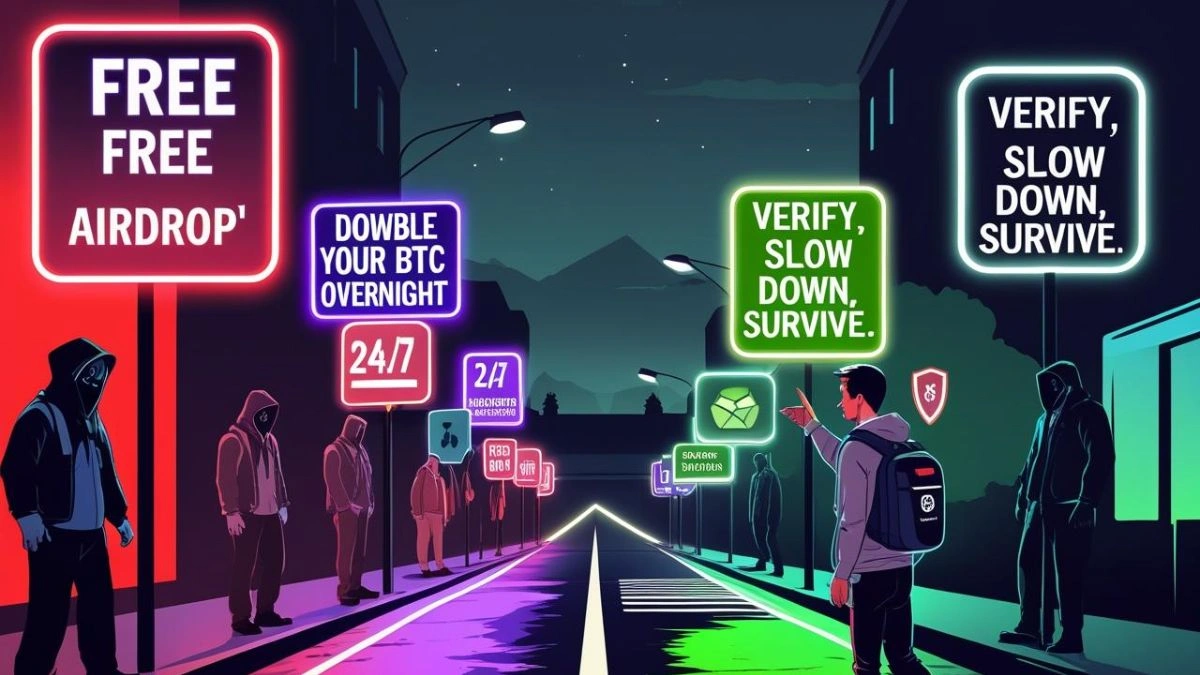
That email promising you’ve won a “free iPhone” or that text urging you to “verify your delivery”? Classic phishing traps. Hackers love dangling bait that feels urgent or too good to be true.
Fix it: If it looks shady, it probably is. Don’t click. Check the sender, hover over links before opening, and when in doubt, bin it.
3. Oversharing on Social Media
Hackers don’t need to guess your mother’s maiden name if you’ve posted about it on Facebook for Mother’s Day. Birthdays, pets, school names, these are common security question answers just waiting to be picked up.
Fix it: Keep personal details private, tighten your privacy settings, and think twice before posting your dog’s name (which also happens to be your PIN).
4. Ignoring Software Updates
We’ve all hit “remind me later” when an update notification pops up. But every time you delay, you leave open doors that hackers know how to walk through. Outdated software is basically a playground for cybercriminals.
Fix it: Update your apps, browsers, and operating systems regularly. Those “boring patches” are actually crucial security locks.
5. Using Public Wi-Fi Without Protection

Free Wi-Fi at the coffee shop feels great, until you realise it’s also great for hackers. Public networks make it easier for them to snoop on your browsing, steal logins, and intercept data.
Fix it: Use a VPN when on public Wi-Fi, or avoid logging into sensitive accounts while sipping that latte.
6. Weak or Obvious Passwords
Still using “123456” or “password” as your login? Congratulations, you’re officially on every hacker’s bingo card. Simple, predictable passwords are like leaving your front door unlocked.
Fix it: Use long, complex passwords with a mix of letters, numbers, and symbols. And no, adding “123” at the end of your pet’s name doesn’t count.
7. Forgetting to Log Out
Leaving accounts open on shared devices (work computer, library, a friend’s laptop) is a golden ticket for anyone snooping around.
Fix it: Always log out of accounts on devices that aren’t yours. It’s basic hygiene, like washing your hands after touching the tube railing.
8. Not Using Two-Factor Authentication
Passwords can be stolen, but adding two-factor authentication (2FA) makes hacking you much harder. Skipping it is like refusing to lock your car because you “don’t live in a bad area.”
Fix it: Turn on 2FA wherever possible. A few extra seconds to verify your login is nothing compared to recovering a stolen account.
Protecting Yourself Online
Hackers don’t always rely on Hollywood-style coding skills. Often, they just exploit everyday slip-ups. By avoiding these simple mistakes, reusing passwords, clicking dodgy links, and oversharing online, you can slam the door shut on most of their easy wins.
Cybersecurity isn’t about paranoia; it’s about being street-smart online. Think of it like football defence: you don’t need to be Paolo Maldini, you just need to stop leaving open space at the back.
Also Read- Google Pixel 10: Should You Buy It?