



Every year, there is a new wave of rumours claiming the next Apple Watch will finally track blood sugar levels without needles. And every year, a new launch arrives, and that promise quietly slips away again, leaving us with the same old “maybe next time” mantra.
This time, though, there is at least something real to look at.
A New Device Taking a Different Route
A new device called Isaac has just entered human clinical trials, and it is approaching the non-invasive glucose challenge in a way that actually feels logical. Instead of relying on lasers or skin-based sensors, it works through breath.
The device measures volatile compounds in your breath, including acetone, similar to how Lumen works. It then looks at how those compounds line up with rising blood glucose levels.
According to a recent report by Wired, the gadget is currently being tested at Indiana University. Trials are starting with adolescents who have type 1 diabetes, before expanding to adults with type 2. The aim is to eventually move toward an FDA review.
Why Glucose Tracking Is Such a Big Deal
Glucose tracking is not just about checking your blood sugar in the moment. Its real power comes from spotting early warning signs for health issues, especially diabetes.
Diabetes affects a huge number of people, and many do not realise they have it until symptoms become severe. By that point, the damage can already be well underway.
The issue is that the most accurate tools we have today are still invasive. Because of that, most people will not use them unless they are already diagnosed or considered high-risk.
That is exactly why non-invasive monitoring matters so much. If checking glucose levels becomes quick, painless, and easy enough for everyday use, more people are likely to do it regularly. That increases the chance of spotting problems earlier, which is where the real value lies.
Could Apple Actually Use This Tech?
Right now, Isaac is not built into a watch. It comes as a pendant-style device that users actively breathe into, so it does not offer passive, background tracking like heart rate monitoring.
It is also roughly the size of an Apple Watch on its own, which highlights one of the biggest challenges. Making this kind of technology smaller and wearable is no easy task.
Still, if breath-based glucose estimation proves accurate enough to pass clinical testing and regulation, it gives the industry a clearer direction. Once something works reliably, shrinking it down and improving the user experience usually comes next.
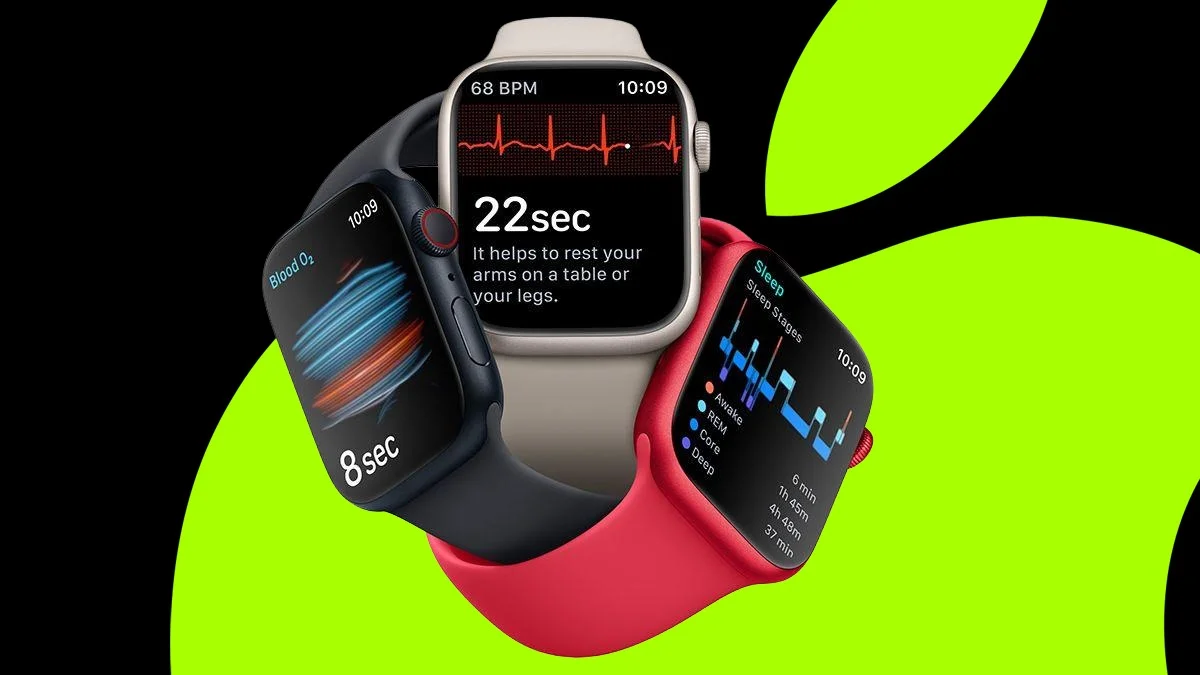
So no, your Apple Watch is not about to replace a continuous glucose monitoring device tomorrow. But this kind of real-world progress makes the idea feel far less like a rumour and much more like a feature Apple could realistically be working toward, and doing properly, in the not-too-distant future.
ALSO READ: G-Shock Blends Japanese Craft And Iconic Design With The Origami Series