




Top 5 Smartphones Expected to Launch in 2026: iPhone 18, Galaxy S26 and More
The smartphone industry is already looking ahead to 2026, a year that is expected to bring major upgrades in performance, cameras, artificial intelligence, and foldable designs. Leading brands such as Apple, Samsung, Google, and Oppo are preparing next-generation devices that could redefine flagship smartphones once again.
Based on reliable industry reports, leaks, and analyst expectations, several high-profile phones are already generating strong buzz. From Apple’s iPhone 18 series to Samsung’s Galaxy S26 lineup and advanced foldables, these devices are expected to shape the premium smartphone market in 2026. Here is a detailed look at the top five smartphones expected to launch in 2026 and why they matter.
Samsung Galaxy S26 Series
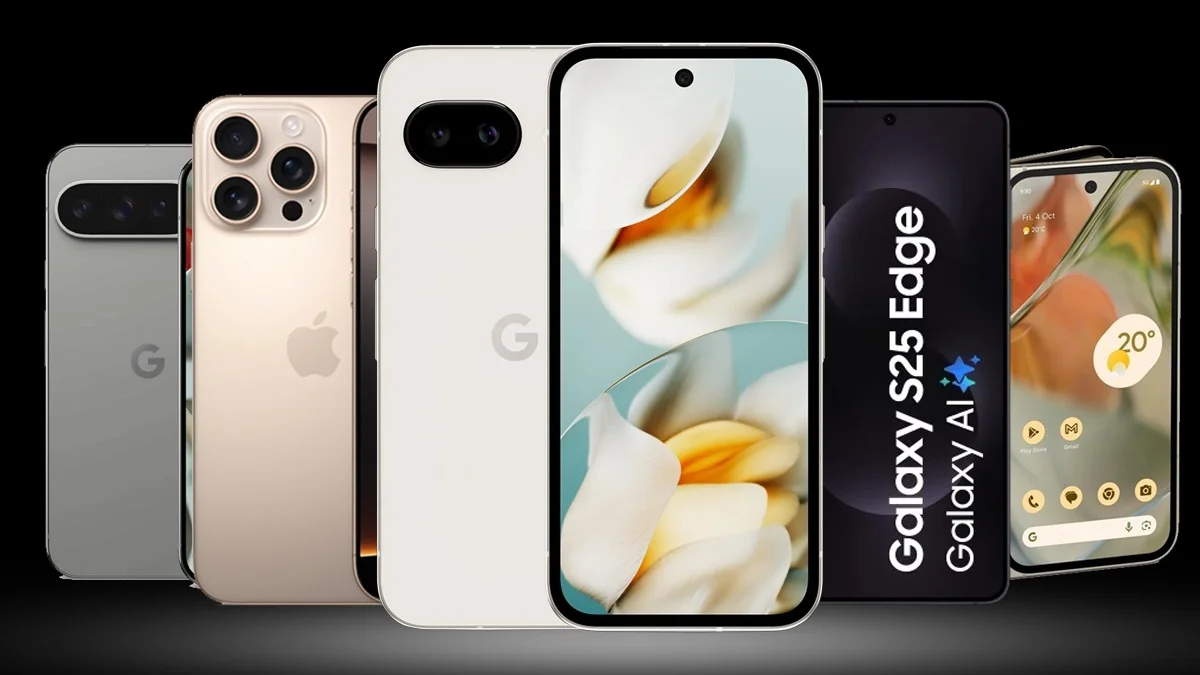
Samsung is expected to begin 2026 with the launch of its Galaxy S26 series. As with previous generations, the lineup is likely to include multiple models such as the Galaxy S26, Galaxy S26 Ultra, and possibly an S26 Edge variant. This series will continue Samsung’s long-running Galaxy S tradition of focusing on high-end performance and camera innovation.
The Galaxy S26 Ultra is expected to be the headline device in the lineup. It is widely tipped to bring major improvements in zoom photography, building on Samsung’s reputation for industry-leading telephoto cameras. Display technology is also expected to improve further, with brighter panels and enhanced efficiency.

Performance upgrades will come from a new flagship chipset, paired with deeper AI integration across photography, battery optimisation, and everyday tasks. Samsung typically unveils its Galaxy S series at a Galaxy Unpacked event early in the year, making the Galaxy S26 one of the first major phone launches of 2026.
The Galaxy S26 series is expected to appeal to users looking for a complete flagship experience, combining powerful hardware, refined software, and long-term software support.
Apple iPhone 18 Series
Apple is expected to launch the iPhone 18 series in September 2026, continuing its annual release cycle. The lineup is likely to include standard iPhone 18 models alongside iPhone 18 Pro and iPhone 18 Pro Max variants.
The iPhone 18 series is expected to introduce a new generation of Apple’s A-series chipset, offering faster performance, better power efficiency, and stronger on-device AI capabilities. Apple has been steadily increasing its focus on artificial intelligence, and the iPhone 18 is expected to build further on this trend.
Camera improvements are also expected, particularly in video recording, where Apple already leads the market. Enhancements in low-light performance, stabilisation, and computational photography are likely to be key selling points.
The iPhone 18 series will ship with a future version of iOS, bringing tighter integration across Apple’s ecosystem. For users already invested in Apple products, the iPhone 18 is expected to remain one of the most desirable smartphones of 2026.
Google Pixel 11 Series
Google is expected to launch the Pixel 11 series in October 2026. The Pixel lineup has become known for its clean software experience and industry-leading computational photography, and the Pixel 11 is expected to continue this focus.
The Pixel 11 series is likely to be powered by an upgraded Tensor G6 chip. Google’s Tensor processors are designed with AI and machine learning at their core, enabling advanced features that run directly on the device. This approach allows Google to deliver unique camera features, voice recognition improvements, and smart automation tools.
Camera performance will once again be a major highlight. Google is expected to refine its image processing further, delivering improved photos and videos without relying solely on hardware upgrades. Software optimisation and AI-driven enhancements will play a central role.
The Pixel 11 series is expected to appeal to users who prioritise software experience, photography, and timely Android updates directly from Google.
Samsung Wide Fold / Galaxy Fold Successor
Samsung is also expected to push foldable smartphone innovation further in 2026 with a new device often referred to as a “Wide Fold” or a successor to the Galaxy Z Fold series. This device is expected to launch later in 2026 and could represent a significant shift in foldable design.
Reports suggest this foldable could feature a wider, more tablet-like display with an aspect ratio closer to 4:3. This would make it more suitable for productivity, multitasking, and media consumption compared to current foldables.
The move towards a wider foldable design is seen as a response to growing competition and changing user expectations. Samsung has already experimented with different foldable formats, and this next-generation model could refine the experience further.
Improved durability, slimmer design, and better battery efficiency are also expected. As foldables move closer to the mainstream, Samsung’s 2026 foldable could play a key role in shaping the future of premium smartphones.
Oppo Find X9 Ultra
Oppo is expected to make a strong statement in 2026 with the Find X9 Ultra. The Find X series has traditionally focused on cutting-edge camera technology and premium design, and the X9 Ultra is expected to continue this trend.
Early reports suggest the Find X9 Ultra could feature advanced camera hardware, including extremely high-resolution sensors and improved zoom capabilities. Oppo has been aggressive in pushing mobile photography boundaries, and this device is expected to target photography enthusiasts directly.
The phone is also expected to feature a high-resolution LTPO display, offering smooth refresh rates and improved power efficiency. Combined with a flagship chipset, the Find X9 Ultra is likely to compete directly with the best Android phones on the market.
Oppo’s focus on camera innovation could make the Find X9 Ultra one of the most exciting smartphones of 2026, particularly for users who value imaging performance above all else.
Why 2026 Will Be a Big Year for Smartphones
The smartphones expected in 2026 highlight several clear trends shaping the industry. Artificial intelligence is becoming more central, not just as a feature but as a core part of how phones operate. From smarter cameras to on-device processing, AI will define the next generation of devices.
Foldable phones are also moving into a more mature phase. With wider screens and refined designs, foldables are expected to appeal to a broader audience beyond early adopters.
Camera innovation remains a key battleground. Brands are focusing on both hardware and software to deliver better photos and videos, especially in challenging conditions.
Finally, ecosystem integration continues to play a major role. Whether it is Apple’s tightly connected products, Samsung’s expanding device ecosystem, or Google’s software-first approach, smartphones in 2026 will be more connected than ever.
How These Phones Compare at a Glance
The Samsung Galaxy S26 series and iPhone 18 series will likely dominate mainstream flagship sales. The Pixel 11 series will appeal to users who want a pure Android experience with strong AI features. Samsung’s foldable will target productivity-focused users, while the Oppo Find X9 Ultra will attract photography enthusiasts.
Each phone serves a different type of user, showing how diverse the smartphone market has become.
What Buyers Should Watch For in 2026
For consumers planning an upgrade in 2026, it will be important to look beyond raw specifications. Software support, AI features, camera performance, and long-term usability will matter more than ever.
Battery efficiency and durability will also be key, especially as phones become more powerful and complex. Foldables, in particular, will need to prove they can handle everyday use reliably.
The phones launching in 2026 are expected to offer meaningful improvements rather than minor upgrades, making it a potentially strong year for upgrading.
The smartphone launches expected in 2026 point to an exciting future for mobile technology. The Samsung Galaxy S26 series, Apple iPhone 18 lineup, Google Pixel 11 series, Samsung’s next-generation foldable, and Oppo Find X9 Ultra are all expected to push boundaries in different ways.
Whether it is AI-driven features, advanced cameras, or new foldable designs, these devices show how brands are preparing for the next phase of smartphone innovation. As competition intensifies, consumers stand to benefit from better technology, smarter features, and more choice than ever before.
Also Read- This App Helps You Finally Take Control Of Subscription Overload