
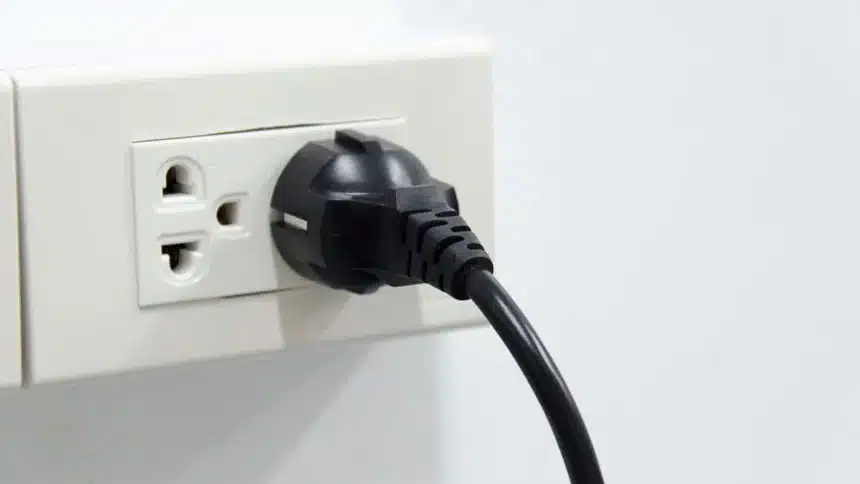
USB wall sockets have quietly become a common feature in modern homes, hotels, airports and cafes. They look convenient, reduce cable clutter and eliminate the need for bulky charging adapters.
But many users still wonder whether plugging a smartphone directly into a wall-integrated USB port is actually safe.
The short answer is yes, most quality USB wall sockets are safe to use. However, there are some important things people should know before relying on them every day.
How USB wall sockets actually work
Unlike traditional wall outlets that deliver high-voltage alternating current (AC), USB wall sockets contain built-in converters that transform household electricity into the lower-voltage direct current (DC) used by smartphones and other portable devices.
Most phones require around 5V DC power for standard charging.
Good-quality USB sockets are designed to regulate voltage carefully so sudden electrical fluctuations do not damage your phone’s battery or charging system.
That internal regulation is what makes these outlets generally safe for modern devices.
Cheap sockets can become a real problem
Generally speaking, the greatest threat is not a function of the idea but rather that of the product.
When using unbranded and/or very inexpensive USB wall sockets, it is possible that you will be subject to worse than acceptable insulation, heat, and surge protection.
Because of the poor quality of this socket, it could overheat, not properly supply power and/ or fail to work in the future.
This is the reason to use certified sockets.
Experts recommend using sockets that have been tested and certified by recognized safety organizations such as UL or ETL. UL and ETL certification means that the socket has met certain electrical safety requirements and greatly reduces the likelihood of overheating or fire.
Can USB wall sockets damage your battery?
Typically, no.
Today’s smartphones have a sophisticated battery management system that determines the maximum amount of current which can be drawn for charging.
In addition, while a charger may output more than enough current, the phone will only actually draw as much current from the charger as the phone is able to do safely.
So, the charging speed of a phone is strongly influenced by the amperage rating of the wall outlet supplying the power.
For example, some older USB wall outlets (which were present before fast charging) will provide a significantly lower power level to charge a phone; thus, it would take longer to fully charge with that type of USB outlet compared to a modern USB fast charging outlet.
Why your phone may charge slowly
One common complaint with USB wall sockets is charging speed.
Many built-in wall USB ports still use older charging standards and do not support newer fast-charging technologies like USB Power Delivery or proprietary systems used by flagship smartphones.
That means while your device charges safely, it may not charge efficiently.
For users with premium smartphones from brands like Apple or Samsung Electronics, a dedicated fast charger will usually deliver much better performance.
Heat matters more than most people realise
All charging systems produce heat when converting power, including USB Ports. Quality products have an appropriate internal cooling system to control temperature; however, many installed USB sockets have become hot either due to long-term use, poor installation, or age.
Therefore, if one happens to be getting hot or is loose or is not charging consistently, it should be replaced immediately. Additionally, if an electrical spark or unstable power supply occurs, it may lead to failure of your devices and/or wiring.
So, should you use USB wall sockets?
For most users, yes.
A properly installed, certified USB wall socket from a reputable manufacturer is generally safe for charging smartphones, earbuds, tablets and similar devices.
But quality matters far more than convenience.
If the socket is old, unbranded or behaving strangely, switching back to a trusted charging adapter is the safer option.
Because when it comes to electronics, saving a little money on cheap hardware can sometimes become very expensive later.
Also Read: What’s New in Samsung’s Latest OLED Phone Displays?