



As a result of continual user feedback, Apple is working on changes to its controversial “Liquid Glass” software design.
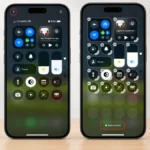
The company introduced the new look with the launch of the iPhone 17 in September 2020, which marked one of the largest aesthetic changes to the Apple ecosystem in a long time. Apple explained that the design aims to make each of its devices feel like they are all part of the same piece of glass, utilising layers of transparent glass with reflective qualities in order to help users focus on the content displayed on the device.
The introduction of the new design was met with immediate backlash online.
Many users claimed that the design produced excessive transparency effects on menus, notifications and elements of navigating a device. Others noted that prioritising looks rather than ease of use created issues with reading elements on a larger screen, where some of these effects could be seen most clearly.
Apple May Tweak Design Instead Of Removing It
According to a new report from Bloomberg’s Mark Gurman, Apple is not planning to abandon the Liquid Glass interface entirely. Instead, the company is expected to refine some of its most criticized elements.
Reportedly, the modifications will primarily address concerns raised regarding the “shadows and transparency quirks” that many users have voiced dissatisfaction over since its inception.
According to sources familiar with this situation, MacOS is among the operating systems that are likely to see more visible changes because it has received the most criticism due to the size of the visual effects on larger Mac screens as compared to other platforms.
Some of the controversial effects have already been removed from earlier versions of Apple’s software, and users now have options to turn off certain effects manually, which is generally viewed as an indication of Apple listening to user feedback yet not disclosing any other major problems inherent within the new design.
Liquid Glass Was Built Around OLED Displays
According to analysts researching Apple OEM sales, the conflicting reports are likely due to Apple’s commitment to OLED technology and the design of its latest graphical user interface (GUI).
Most current iPhones (and other iOS devices) have OLED displays that differ significantly from traditional LCD monitors in terms of brightness, contrast, transparency, and the depth of colour.
The new GUI may simply appear to look worse on a MacBook than on an iPhone or iPad, and until Apple can release OLED MacBooks (expanding the use of OLED technology to all of its GUIs), this difference will continue to exist.
The redesign will also come at a time of staff change within Apple’s product software development team, as Alan Dye, who worked on implementing the Liquid Glass redesign and publicly presenting it, has recently left the company.
Apple is also working on Siri And Battery Improvements
In addition to visual upgrades, Apple is said to be placing a large emphasis on battery life and performance enhancements in its upcoming software releases.
Apple will also likely reveal an upgraded version of Siri with new AI capabilities introduced into it as well. For years, Apple has promised substantial advances in AI for Siri, but these advances have not yet fully materialized, as many competitors make aggressive moves toward generative AI.
Apple is anticipated to announce its software announcements officially at the Worldwide Developers Conference June 8, where it typically provides significant updates for iPhone, Mac, and AI each year.
Also Read: Stopped Updating Your Apple iPhone? Here’s What Could Go Wrong