





Skipping software updates on your Apple iPhone might not seem like a big deal at first. Many users delay updates because they are worried about storage space, battery drain, or slower performance on older devices.
But cybersecurity experts say avoiding iOS updates for long periods can create serious risks, ranging from security vulnerabilities to broken apps and reduced device performance.
Why iPhone updates are important
Apple regularly releases iOS updates to fix software bugs, improve security protections, and add new features to iPhones.
These updates are not only about cosmetic changes or new emojis. Many patches are designed specifically to close security loopholes discovered by researchers or targeted by hackers.
Cybercriminals constantly look for weaknesses in operating systems, and outdated devices can become easier targets once those vulnerabilities become publicly known.
Without regular updates, users may face increased risks of phishing attacks, malware infections, data theft, or unauthorized access to apps and accounts.
Apps may eventually stop working properly
One major problem associated with compatibility across applications.
The vast majority of popular apps have been created for the newer versions of iOS, and many developers have phased out support for older operating systems.
As a result, people who have an outdated version of iOS may experience crashes, missing features, problems logging in, or even an application that will not open at all.
Financial applications, payment applications, messaging applications and work-tool applications are usually among the first to discontinue support for older operating systems due to security reasons.
You also miss out on newer iPhone features
Apple now uses software updates to roll out many of its biggest features, including AI-powered tools and system-wide improvements.
Recent iOS updates introduced upgrades across Messages, Maps, keyboard predictions, battery optimization, and newer Apple Intelligence features.
Users who skip updates may miss improvements that directly affect battery efficiency, usability, privacy settings, and overall device stability.
In many cases, newer software can actually improve how efficiently an iPhone performs, especially after optimization patches are released.
Storage problems
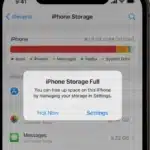
People often put off updating their devices because they don’t have enough storage space on them.
Major iOS upgrades require many gigabytes of free disk space.
For users who have older iPhones or low-capacity iPhones, this is challenging; however, experts recommend deleting unused applications, duplicate photographs, and old videos or downloaded files, rather than permanently forgoing upgrades altogether.
You could free up extra space by either using iCloud storage or by moving files off your device.
Older software becomes riskier over time
Security researchers warn that unsupported or outdated software becomes increasingly dangerous because attackers often target devices known to have unpatched flaws.
Once vulnerabilities are publicly documented, hackers can build tools specifically designed to exploit older systems still running those versions.
As online scams and cyberattacks continue to rise globally, keeping devices updated remains one of the easiest ways to strengthen digital security.
Should you always update immediately?
While most updates are important, some users prefer waiting a few days after a major release to see if early bugs or battery issues are reported.
However, experts still recommend installing security-focused updates as quickly as possible, especially when Apple labels them as critical patches.
For most iPhone users, regular updates remain one of the simplest ways to maintain long-term device health, app compatibility, and protection against evolving cyber threats.
Also Read: Should You Really Charge Your Phone Through A USB Wall Socket?