




Your personal data is more exposed than ever, and most people don’t even realise when it’s already out there. With breaches hitting everything from social media to banking apps, knowing how to check your data is no longer optional- it’s basic digital survival.
Use Trusted Websites to Check Data Leaks
To quickly determine if your data was leaked, you can check reputable website data breach checking tools such as Have I Been Pwned to see if your email address or phone number has ever appeared in any of the known data breaches.
With the help of these tools, you can enter your email address or phone number and receive a notification if any of your personal information has appeared in publicly exposed leaked data.
Data breach checking tools search for data breaches that have occurred and allow you to check whether or not your personal information has done so, and thereby confirm any potential risk to you.
If your email address has appeared, it provides you with an alternative warning about the risk or potential application of your data; however, your immediate action may not need to be taken against your risk yet, but you will need to take action to help mitigate your risk as soon as possible.
Check If Your Passwords Are Compromised
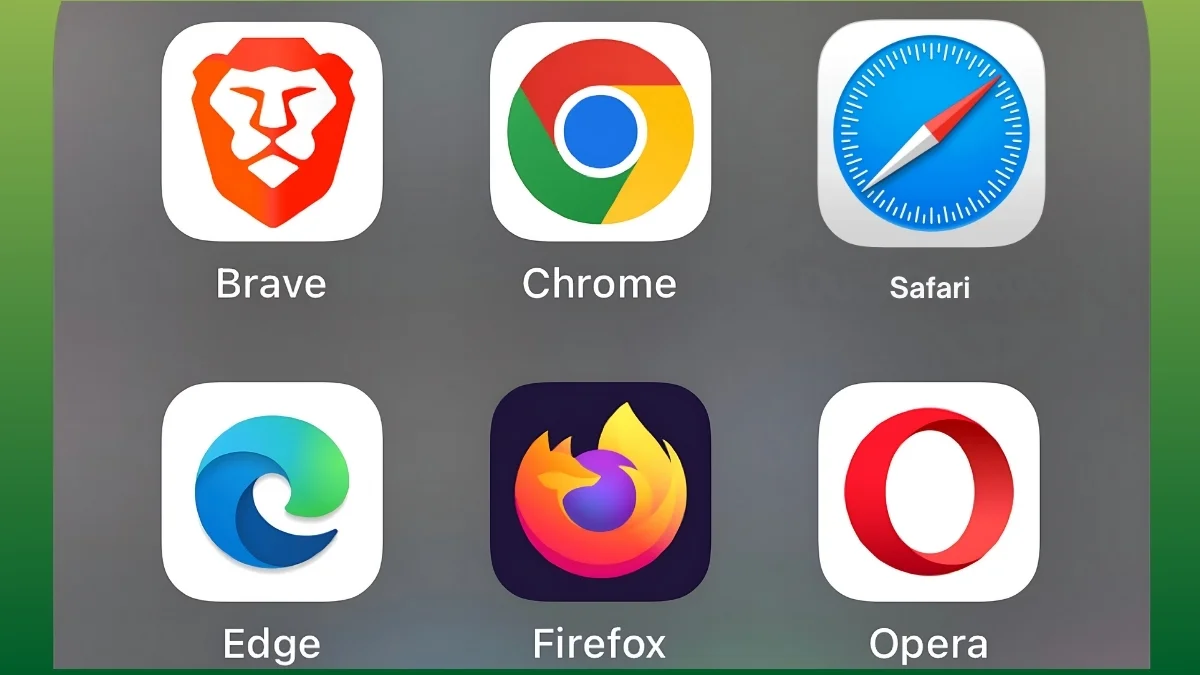
Modern browsers already have built-in tools to help you. Both Google Chrome and Mozilla Firefox offer password checkups that scan your saved credentials against known breaches.
In Chrome, you can go to Settings, open Password Manager, and run a “Checkup.” It will flag weak, reused, or leaked passwords instantly.
If you see any warning, don’t ignore it- that’s your cue to update passwords immediately.
Keep an Eye on Security Alerts
If there is any suspicious activity or if your data has been exposed, you will typically be notified through email from the provider.
Always be sure to read your emails carefully upon receipt and remain vigilant as hackers frequently issue fake notifications which appear to be legitimate from well–known companies.
You should never click on the link(s) contained in an email unless you have verified the source.
Add an Extra Layer With 2FA
Adding two-factor authentication can save your data, even if your account gets compromised.
Two-factor authentication (2FA) can stop attackers from getting in.
Apps like Google Authenticator and Microsoft Authenticator generate secure and time-based codes that act as a second lock on your accounts.
This is one of the simplest and most effective features that you can use to protect your data.
What To Do If Your Data Is Leaked
If you receive notice that your account has been compromised, don‘t panic, but also, don‘t delay taking action.
Immediately change the password to the account that has been compromised.
If you have used the same password on any other accounts, make sure those accounts are updated as well.
Enable two-factor authentication on the account and everywhere it is available.
Doing so may help block most attempts of unauthorized access.
As hackers become more sophisticated and more common, data leaks have become commonplace events rather than isolated events.
Also Read: How to Boost Your Wi-Fi Speed at Home