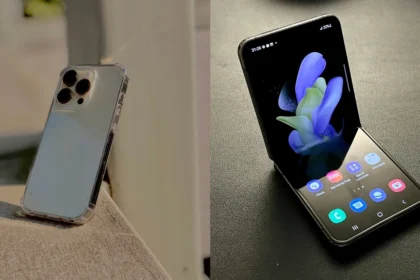





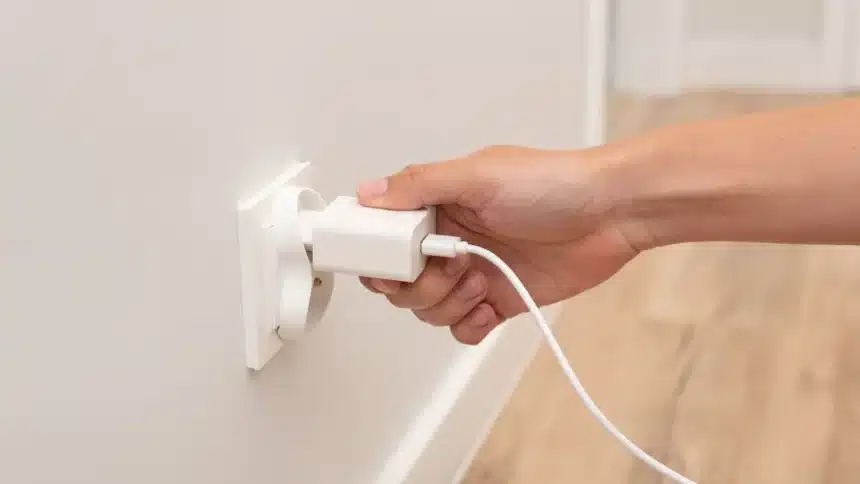
Phone chargers beside the bed. Laptop adapters permanently connected near work desks. Smartwatch docks are sitting plugged in 24/7.
Most people barely think twice about leaving chargers connected to wall sockets all the time. But while modern chargers are generally designed to be safe, experts say there are still a few important things users should know about energy consumption, long-term wear, and potential safety risks.
So, is leaving chargers plugged in actually dangerous? And does it secretly increase your electricity bill?
Chargers Still Consume Electricity Even When Not Charging
One of the biggest misconceptions is that chargers stop using power completely when no device is connected.
That is not entirely true.
Most modern chargers continue drawing a very small amount of electricity even when they are sitting idle in the socket. This is commonly known as “vampire power” or standby power.
A charger constantly uses tiny amounts of electricity to keep internal circuits active and ready to detect when a device is plugged in.
Individually, the energy usage is extremely small. But when combined across multiple chargers and electronic devices inside a home, the wasted electricity can slowly add up over time.
Televisions, gaming consoles, smart speakers, microwaves, and other electronics also contribute to standby power usage.
Why Chargers Need Power Even When Idle
Inside every charger is a small AC-to-DC conversion system.
Electricity from wall sockets arrives as alternating current (AC), while smartphones, laptops, and batteries require direct current (DC). Chargers are responsible for converting that electricity safely before it reaches your device.
To handle this conversion, chargers contain components such as transformers, voltage regulators, filtering circuits and protection systems
Some of these systems remain partially active even when the charger is not connected to a device, which is why standby power exists in the first place.
Modern chargers have become much more efficient in recent years, however. Many newer adapters now enter low-power sleep states that dramatically reduce unnecessary energy consumption.
Can leaving the Chargers Plugged In Damage Them?
Over time, yes. Experts say chargers naturally degrade as electricity continuously flows through them. Voltage fluctuations from the power grid can also slowly wear down internal components.
This is especially important in regions where unstable voltage spikes are common.
While branded and certified chargers usually include proper protection systems, cheaper uncertified chargers can become significantly more dangerous over time.
Poor-quality adapters may overheat, fail prematurely, spark and become fire hazards.
This is one reason why experts strongly recommend avoiding extremely cheap third-party chargers with no safety certifications.
Are Plugged-In Chargers A Fire Risk?
For most modern branded chargers, the risk is relatively low under normal conditions.
However, the risk increases if the charger:
- becomes unusually hot
- makes buzzing noises
- has damaged cables
- feels loose in the socket
- is physically cracked or bent
Old or low-quality chargers are far more likely to overheat and fail.
Leaving chargers plugged in near beds, sofas, curtains, or flammable materials can also increase potential danger if a fault occurs.
Should You Unplug Chargers When Not Using Them?
Experts generally say unplugging chargers is a good habit, even if modern devices are safer than older ones.
Doing so can slightly reduce electricity waste, extend charger lifespan, reduce any kind of overheating risks and protect chargers during voltage surges.
That said, constantly leaving a certified modern charger plugged in is unlikely to suddenly cause major problems on its own.
The bigger concern is usually poor-quality accessories or damaged chargers that continue operating despite visible wear and tear.
So, leaving chargers plugged in all the time is usually not dangerous, but only if you are using modern, certified accessories from trusted brands.
But chargers do continue consuming small amounts of power in standby mode, and long-term exposure to electricity and voltage fluctuations can slowly wear them down.
If a charger starts overheating, making strange sounds, or showing physical damage, it should be replaced immediately and never left connected unattended.
Also Read: 9 Windows Settings That Need Modification For Seamless Working