


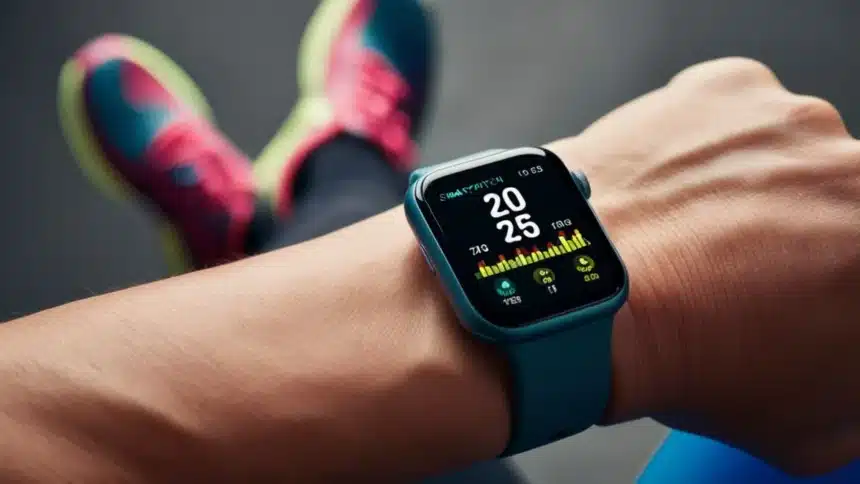
The wearable technology market has seen a substantial growth ever since its inception and continues to influence the users with advanced and new features. A fitness tracker is not just limited to counting daily steps but covers multiple aspects like monitoring sleep cycles, checking SPO2 levels, heartbeat rate, blood pressure etc. These fitness trackers even have the provision of alerting the users in situations of irregular heart rhythms, high blood pressure before an individual even feels them. The journey from a mere fitness band to a sophisticated health tracker has seen multiple stages of iteration.
This presents a modern-day consumer with a problem of choice while selecting which device would be the most suited one for one’s need and use. With no dearth of options available in the market today, each OEM (Original Equipment Manufacturer) is trying to provide an edge over its competitor. Fitness trackers are equally popular now among people from all age groups and not just fitness enthusiasts or sports persons.
But not every device is worth the money, and the right one depends entirely on what you actually want to track.
Best Fitness Trackers Worth Buying
Based on market research around certain key elements, these 5 options could be the best fitness trackers currently available.
Let’s have a quick comparison of all before, delving deep into it.
| Watch | Price | Battery | GPS | Best For |
| Garmin Vivoactive 6 | £215 | ~10 days | Built-in | All-round fitness |
| Apple Watch Series 11 | £329 | 24 hours | Built-in | iPhone users |
| Fitbit Charge 6 | £132 | 7 days | Built-in | Mid-range tracking |
| Amazfit Active 2 | £89 | 10 days | Built-in | Budget buyers |
| Oura Ring Gen 4 | £249 | 8 days | None | Sleep & recovery |
1. Garmin Vivoactive 6
Price: ~£215 / $299
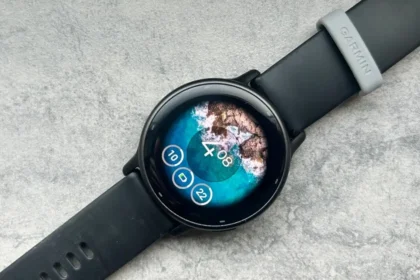
The Garmin Vivoactive 6 does something that most mid-range watches fail to do: it makes you question whether you need to spend more. Launched in April 2025 after a four-year gap since the Vivoactive 5, it packs features that used to cost twice the price into a featherweight, 23g body with a vibrant AMOLED touchscreen.
You get PacePro, Running Dynamics, cadence, stride length, ground contact time, running power analytics, breadcrumb navigation, and over 80 sport profiles. Add Body Battery, sleep coach, stress tracking, nap detection, offline music, contactless payments, and a Morning Report that summarises your readiness before you get out of bed and this is a serious health device, not just a step counter.
Battery life hits around 10 days in smartwatch mode, with up to 21 hours in GPS mode, well ahead of Apple Watch and Samsung equivalents at similar price points.
Best for: Everyday fitness enthusiasts, road runners, gym goers.
2. Apple Watch Series 11
Price: £329 / $399
For anyone who uses other Apple devices as well, the Series 11 is the strongest version of the Apple Watch yet, and it finally fixes the one thing that has held every previous model back: battery life.
The Series 11, launched in September 2025, is Apple’s first flagship smartwatch rated above 18 hours, now lasting up to 24 hours with an always-on display, and up to 38 hours in low power mode. That is enough to track a full day of activity and wear it overnight for sleep monitoring.
Beyond battery life, the headline health addition is hypertension alert and one that took FDA approval to land. After wearing the watch for 30 days to allow calibration, it can notify you of consistently elevated blood pressure readings.
There is also a new daily Sleep Score out of 100, an improved ECG sensor, blood oxygen monitoring, temperature sensing, and menstrual cycle tracking.
On the smartwatch side, the integration is seamless: calls, messages, contactless payments, and all your apps in one place, with 5G cellular now available on connected models.
Best for: iPhone users, casual runners, health-focused everyday wear.
3. Fitbit Charge 6
Price: £132 / ~$159
It may not be a proper smartwatch, but much more capable than a basic fitness band. The Fitbit Charge 6 sits in a useful middle ground. It tracks daily activity with strong accuracy, including steps, heart rate, sleep, and GPS-enabled workouts, all displayed on a bright colour touchscreen that holds up well in daylight.
The smartwatch-adjacent features add real daily utility: Fitbit Pay for contactless payments, Spotify controls from your wrist, and customisable app notifications. For Android users, you can also reply to messages with pre-selected responses when connected to your phone. Fitbit is a Google product.
Best for: Those wanting more than basic tracking without paying smartwatch prices.
4. Amazfit Active 2
Price: £89 / ~$99
At under £90, the Amazfit Active 2 has so much to offer and goes beyond a conventional fitness tracker. For the price, you get all standard mid-run metrics, post-run training effect analysis, VO2 max estimates, recovery time recommendations, sleep quality monitoring with an improved algorithm, stress tracking, blood oxygen levels, health reminders, menstrual tracking, and navigation features.
That is a spec list that would cost two or three times as much on a Garmin or Polar.
The 1.32-inch AMOLED touchscreen is responsive and clear for the price point, the watch is light and comfortable enough for 24/7 wear, and battery life is strong at 10 days in smartwatch mode and up to 21 hours in GPS.
Best for: Budget-conscious buyers, first-time wearable users.
5. Oura Ring Gen 4
Price: £249 / $299
The Oura Ring is the only device on this list that does not go on your wrist and for some people, that is the entire appeal. It looks like a regular ring. It sits on your finger, uses temperature sensors, heart rate monitoring, and other biometric signals to track your health, and quietly syncs everything to the app in the background.
Where the Oura Gen 4 is genuinely best-in-class is sleep tracking. It is consistently rated among the most accurate consumer sleep trackers available, capturing sleep stages, heart rate variability, respiratory rate, and body temperature in a way that most wrist-worn devices cannot match due to their position on the body. It then uses that data to offer recovery suggestions, stress insights, and menstrual cycle predictions.
Best for: Sleep-focused users, those who want health tracking without a wristwatch.
The market may have more options of fitness trackers from other manufacturers available as well and users are recommended to do their own scrutiny before making their final buying decision.
Also Read: Which Pixel Watch Feature Could Be Making Its Way To Samsung’s New Galaxy Watches?