



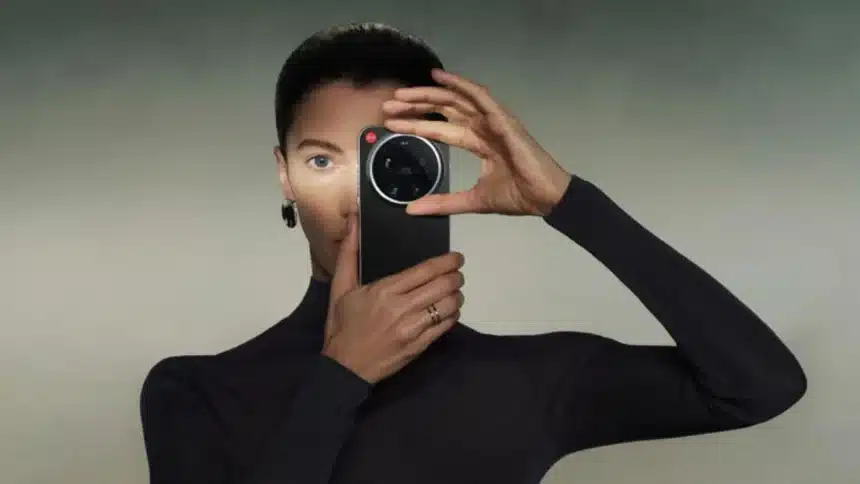
Most smartphones today compete by adding more cameras and relying heavily on software processing. But the Leica Leitz Phone is trying something different. Developed with hardware support from Xiaomi and designed by Leica, the device focuses on delivering a photography experience that feels closer to using a real camera.
There’s one catch, though. If you live in the United States, you might not see it officially launch there. For now, the device appears set to skip the US market.
Still, for photography enthusiasts, the Leitz Phone brings several unusual ideas to the smartphone world.
What Makes the Leica Leitz Phone Different From Other Smartphones?
Leica has put a significant amount of focus on their camera experience compared to other camera manufacturers because they want to create as natural a light as possible using various technologies, including LOFIC (Lateral Overflow Integrated Capacitor), rather than relying on advanced software (computational) photography as many other manufacturers do.
The phone features a 50MP 1-inch sensor generally found in premium point-and-shoot cameras, which has the ability to collect more light, resulting in better detail and natural depth in your photographs.
The LOFIC technology is designed to limit blown-out bright areas and increase dynamic range so you would have detail in both your highlights and shadows.
The phone has a 200MP telephoto lens with an approximate optical zoom capability (and flexibility) of 3x & 4x, which will allow for more shooting options when taking photos.
Why Does the Leica Leitz Phone Have a Mechanical Camera Ring?
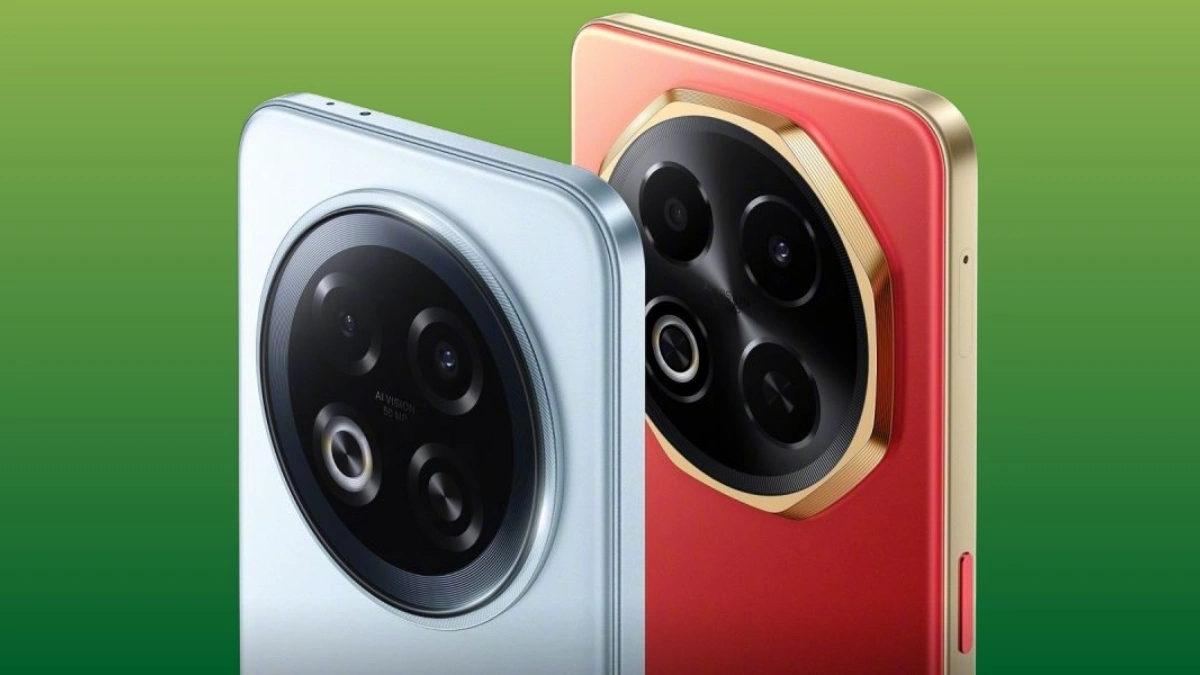
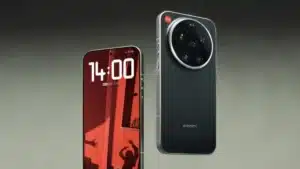
One of the most unusual elements of the Leica Leitz Phone is the physical ring around the camera module.
This mechanical ring enables the user to rotate the ring to change the camera settings and is a great alternative to only using touch controls. It defaults to allow the user to change the zoom; however, there is the option to re-assign settings such as exposure compensation, white balance, etc.
For photographers who like to manually adjust their camera settings, this type of tactile adjustment feels more like using an actual camera as opposed to a camera on your smartphone.
How Does Leica Bring Its Camera Style to the Phone?
Leica has tried to bring some of its classic camera identity into the phone’s software as well.
The device includes color profiles inspired by Leica cameras, including one modelled after the Leica M9, known for its distinctive CCD sensor look.
There is also a black-and-white mode inspired by Leica Monopan 50, Leica’s recently introduced film stock. These modes aim to replicate the visual style that many photographers associate with Leica cameras.
Even the display includes two viewing modes: Leica Vibrant and Leica Authentic, designed to reflect the brand’s photographic aesthetics.
What Specs Does the Leica Leitz Phone Offer?
While the camera is the star, the phone still carries flagship-level hardware. Key specifications include:
- 6.9-inch display with up to 3500 nits brightness
- Snapdragon 8 Elite processor
- 16GB RAM and 1TB storage
- 6,000mAh battery
Leica has also included a dedicated security chip that can embed content credentials into photos. This helps verify that an image is authentic and hasn’t been altered, something that’s becoming increasingly important as AI-generated images grow more common.
Leica Leitz Phone Price
The Leica Leitz Phone is priced at approximately £1700 ( approximately $ 2000 ), which puts it into the luxury smartphone category.
The contents of the box include several accessories highlighting the photographic capability of this device, such as a lens cap, cleaning cloth, wrist strap and a protective sleeve designed to work with the camera ring.
In addition to these items, this device is also compatible with an optional camera handle that can connect to the Leitz Phone through the use of an adapter. The use of the optional handle will allow you to take pictures just like using a compact camera.
So, the Leitz Phone is not trying to compete with typical flagship phones in the usual way. Instead, it targets people who care about photography and enjoy having more control over how their images are captured.
Also Read: Google Officially Enables Desktop Mode On Pixel Phones For A PC-Like Experience