


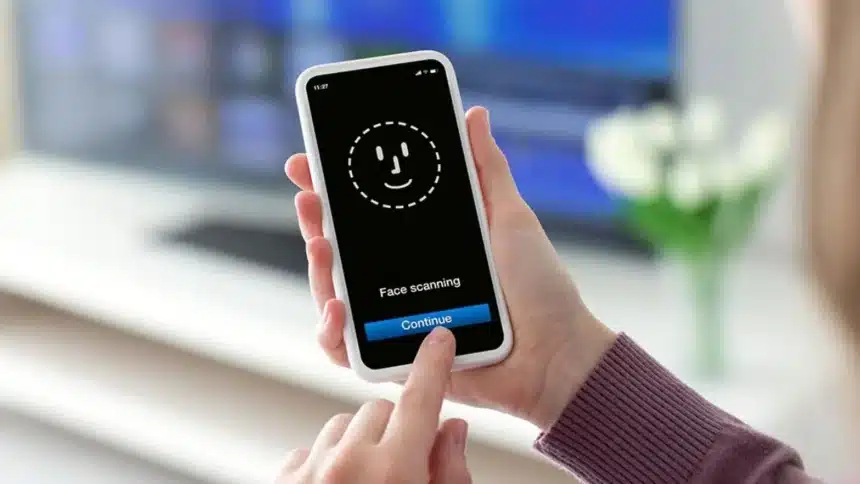
Many of us are using the facial recognition feature on our phones, as it seems like a great way to get into your phone. You can just look at the device, and you are in. No need to remember your tough password or any other information.
However, according to some investigations, many people have seen that facial recognition isn’t as secure as it appears.
Examples of this lack of security are several popular smartphone devices that can be unlocked using printed photos of the person registered to use that device.
Recently, around 208 smartphone models have been checked since 2022, and the result is honestly worrying.
Out of those, 133 devices were successfully unlocked using a simple 2D image. That means over half of the phones tested failed a basic spoofing check.
What’s more concerning is the trend.
- In 2024, around 70% of tested phones failed
- In 2025, that number was still at 63%
So while there’s a slight improvement, the majority of devices are still not fully safe.
Why Face Unlock Can Fail on Some Phones
The issue comes down to the type of technology used. Many Android phones rely on 2D facial recognition, which only scans a flat image of your face. It doesn’t detect depth. So it can’t tell the difference between your actual face and a printed photo.
That’s why even high-end devices, including premium models, have been caught failing these tests.
On the other hand, phones using advanced 3D mapping systems perform much better. Devices like Google Pixel 8, Google Pixel 9, Google Pixel 10 and Samsung Galaxy S26 passed the test, as they use depth-sensing technology.
Similarly, Apple Face ID remains far harder to trick due to its 3D scanning approach.
List of phones affected
Here are some of the devices that can reportedly be unlocked using a printed photo:
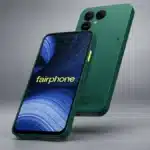
- Fairphone 6
- Honor Magic6 Lite 5G
- Motorola Moto G75 5G
- Motorola Edge 60 Pro
- Motorola Edge 60 Fusion
- Motorola Moto G56 5G
- Motorola G86
- Motorola Edge 40 Neo
- Motorola Moto G35
- Motorola Moto G55
- Motorola Razr 50 Ultra
- Motorola Edge 50 Ultra
- Motorola Edge 50 Pro
- Motorola Moto G73
- Nothing Phone (2a) Plus
- Nothing Phone (3a)
- Nothing Phone (3a) Pro
- Nothing Phone (3)
- Nothing Phone (2a)
- OnePlus 13R
- OnePlus 13
- OnePlus Nord 5
- OnePlus Nord CE5
- OnePlus 15
- OnePlus Nord 3 5G
These devices rely on basic facial recognition systems that don’t verify depth, making them easier to bypass.
What hackers could actually access
If someone manages to unlock your phone using a photo, the risks go beyond just your gallery.
They could read emails, reset passwords, access banking or payment apps, view transaction history and access sensitive personal data.
That is a serious privacy risk, especially if you rely only on face unlock.
Are brands warning users enough?
One major concern raised in the report is that many companies don’t clearly warn users about these limitations.
Some brands do show a small notice during setup, but in most cases, it’s either easy to miss or buried in terms and conditions.
That means users often assume face unlock is fully secure when it’s actually designed more for convenience than protection.
What you should do right now
So, if your phone is also on the list above, don’t panic. You don’t need to change it right away. Just make sure not to entirely depend on Facial Recognition.
Instead, you can use a strong PIN or password or enable fingerprint unlock if available. Also, make sure to add strong PIN-based app locks for banking or messaging apps.
These methods are far more secure and harder to bypass.
Face unlock is fast and convenient, but on many devices, it’s not built to be your primary security layer. If your phone uses basic 2D recognition, a printed photo might be all it takes to get in, so always check beforehand.
Also Read: Why Waiting for the iPhone 18 Could Be the Smartest Move Till 2027