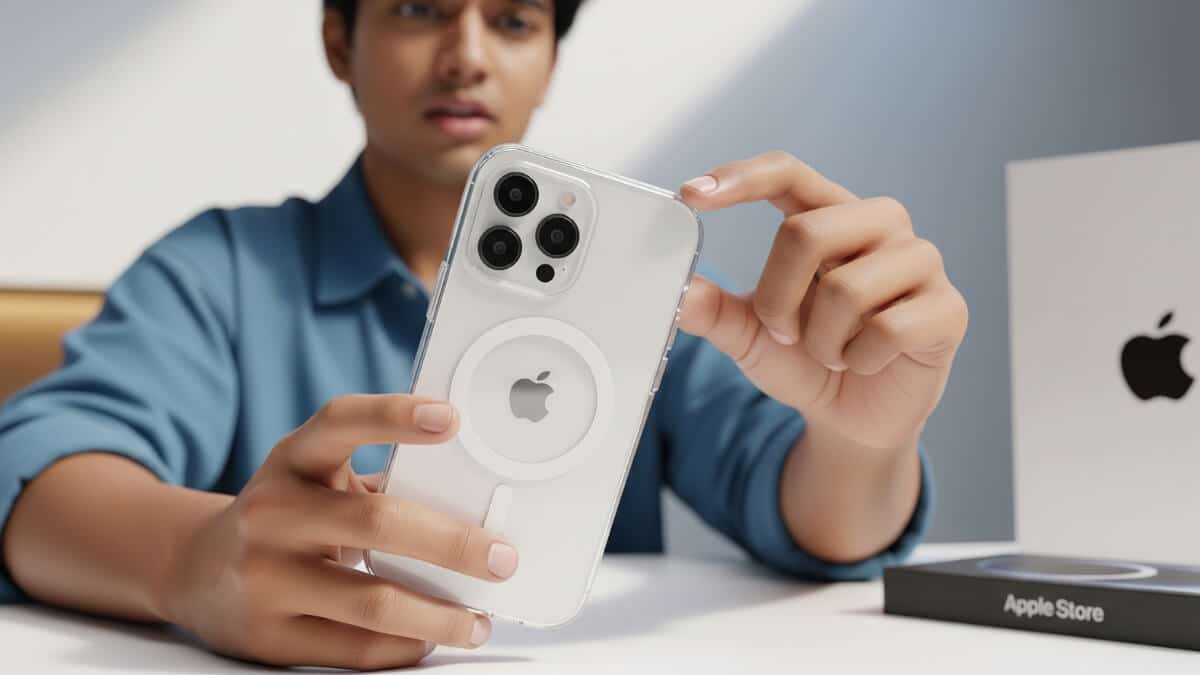






Apple and Samsung may still dominate the global smartphone market, but when it comes to smartphone photography in 2026, some of the most exciting innovations are happening elsewhere.
Brands like Vivo, Xiaomi, and Oppo are now building phones that feel less like social media tools and more like actual cameras. Bigger sensors, advanced zoom systems, classic photography filters, and partnerships with iconic camera brands are helping these devices stand out from the increasingly familiar iPhone and Galaxy experience.
Here’s a closer look at the three smartphones redefining mobile photography right now.
Vivo X300 Ultra
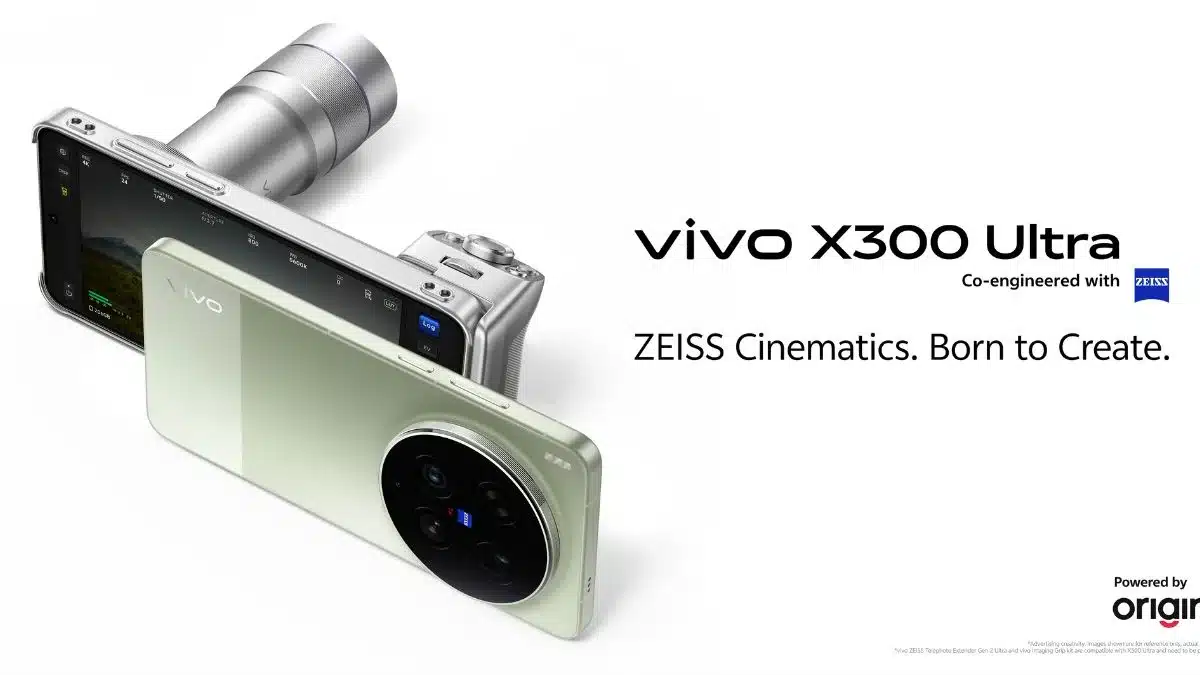
The Vivo X300 Ultra is arguably the most photography-focused smartphone currently available.
Another thing that grabs your attention right away with the phone is its main camera’s focal length of 35mm equivalent. Most smartphones have a wider-angle lens of 24mm, but Vivo went with a camera with a more natural and cinematic feel with a tighter perspective. Vivo’s camera produces images that look at having been taken with a standard camera vs the typical image produced by a smartphone camera.
Additionally, the camera’s performance has the benefit of Vivo’s longtime partnership with Zeiss, and that partnership shows through in how the camera performs in everyday use. The images are sharp but not overly edited, colours are rich but not unnatural, and low-light photos are also very good.
Vivo has put a lot of emphasis on providing creativity through photography features. The phone has filters that are reminiscent of film, has manual controls with lots of adjustment options, has a very good portrait mode, and has a dedicated mode for street photography for people who want to take deliberate pictures.
A key area of superiority is that there is a nice consistency with all of the different lenses. The 200MP periscope telephoto lens, ultrawide sensor, and main camera all produce images that are very balanced with each other and something that most flagship phones still struggle to do.
The downside, however, is the price. The Vivo X300 Ultra reportedly costs around €1,999 (£1,749), making it one of the most expensive smartphones currently available. Availability is also limited in several markets, with some buyers needing to import the device from Europe.
Still, for photography enthusiasts, many reviewers now consider it the best smartphone camera system on the market.
Xiaomi 17 Ultra
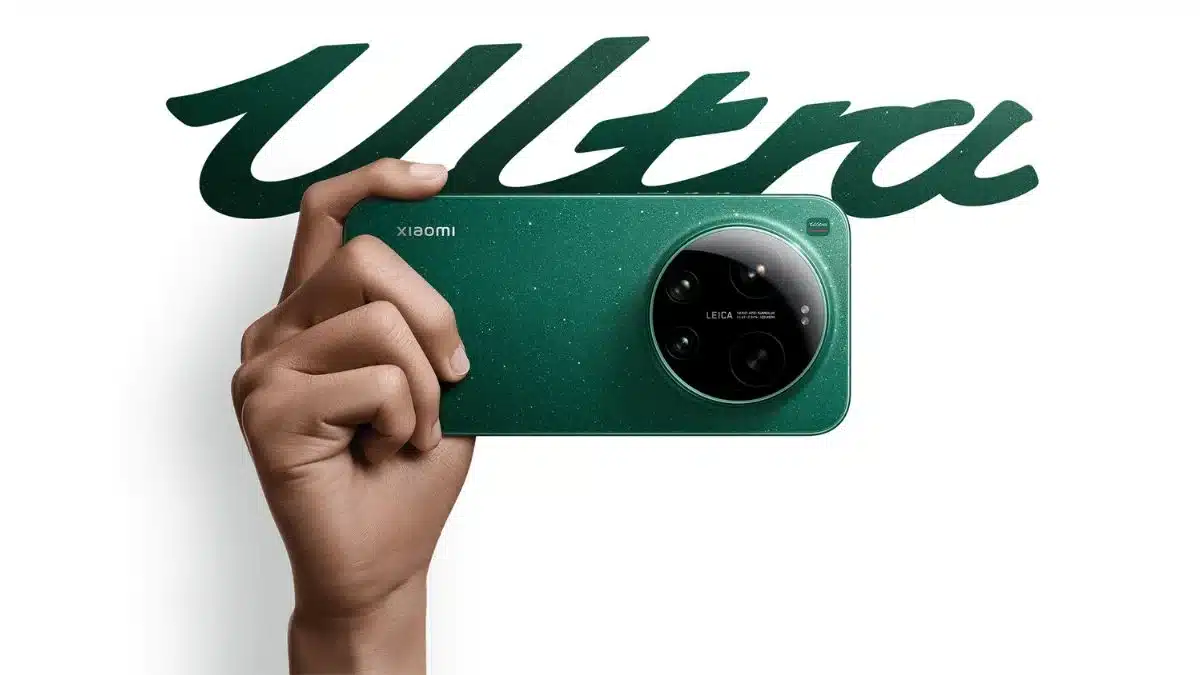
Xiaomi has quietly become one of the biggest challengers to Apple and Samsung in the premium smartphone camera race, and the Xiaomi 17 Ultra proves exactly why.
Xiaomi’s biggest edge with their latest phone is the large size of its main camera sensor (1 inch), resulting in more incoming light = greater image depth and detail. The company has maintained its partnership with Leica, enabling it to create a distinct look for the camera system.
Whereas Apple creates cleaner and brighter images, Xiaomi creates moody and cinematic photos using the camera system. Images created by the camera system usually have a higher contrast, film-style colours, and a more dramatic appearance than Apple’s images.
For creative photographers who do not prefer heavily AI-enhanced images, the Xiaomi camera system offers an appealing change of pace.
In addition to having a unique camera system, the Xiaomi 17 Ultra has a unique hardware design compared to bulkier camera phones. The curved shape of the device makes it easier to hold for longer periods while shooting photographs.
The battery life is average; however, it is reportedly less impressive than the battery performance of Vivo and Oppo. The software experience has also been criticized as being a poor copy of Apple’s iOS software experience, which may deter some Android users.
Priced at around £1,299, it is slightly more affordable than the Vivo while still firmly sitting in the ultra-premium flagship category.
Oppo Find X9 Ultra
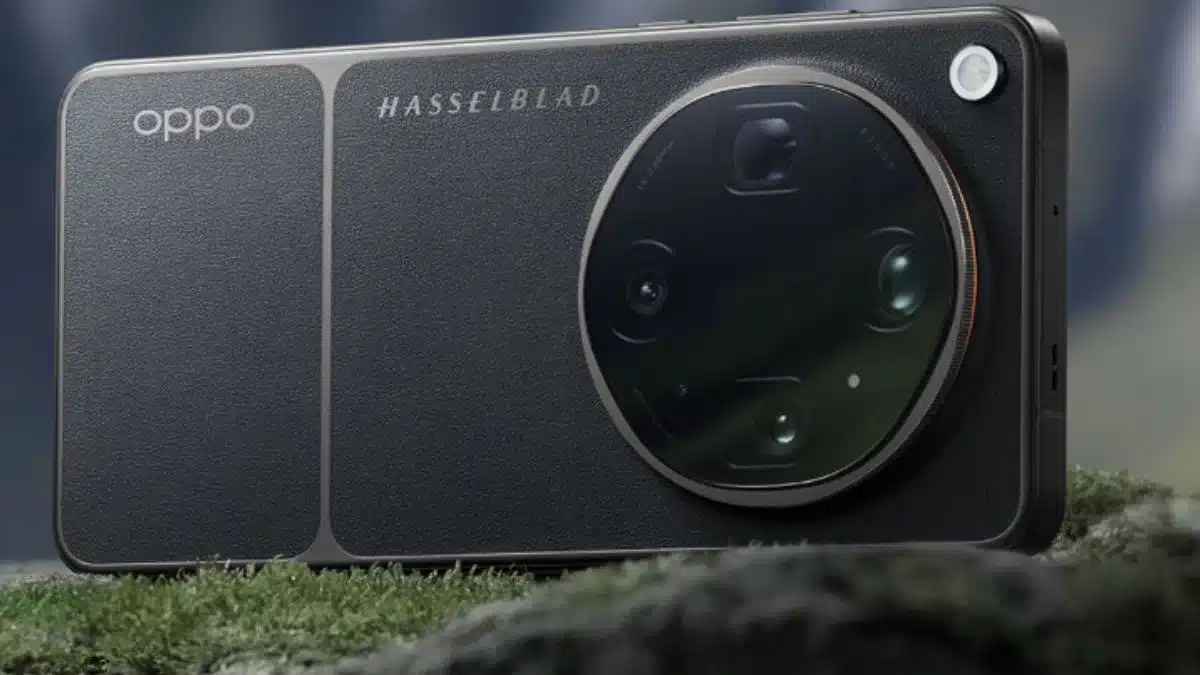
Oppo’s Find X9 Ultra may rank slightly behind Vivo and Xiaomi in overall image processing, but it still delivers one of the most advanced smartphone camera systems available today.
Its standout feature is the dedicated 10x optical telephoto lens, allowing users to capture extremely sharp long-distance shots without relying too aggressively on digital enhancement.
That makes the Oppo especially attractive for travel photography, sports photography, and users who frequently shoot distant subjects.
The phone also benefits from Oppo’s collaboration with Hasselblad, with features like the XPan mode recreating the ultra-wide panoramic style of classic Hasselblad cameras. It adds a creative element rarely found on mainstream smartphones.
In day-to-day use, many reviewers consider Oppo’s software experience the strongest among the three brands. The interface feels polished, stable, and smoother than some competing Chinese Android skins.
The Find X9 Ultra also includes a physical shutter button along the edge of the phone, something photography lovers may genuinely appreciate since it makes the shooting experience feel closer to using an actual camera.
However, Oppo’s image processing can sometimes feel slightly overdone compared to Vivo’s more natural approach.
The device reportedly costs around £1,449, placing it between the Xiaomi and Vivo in terms of pricing.
For years, Apple and Samsung controlled the conversation around smartphone photography. But in 2026, Vivo, Xiaomi, and Oppo are proving there is still room for serious innovation.
Also Read: Top 5 Samsung Watches Worth Buying in 2026