





Finding a smartphone that keeps both kids and parents happy has become one of the biggest modern tech struggles. Teenagers want a real smartphone experience, while parents increasingly worry about social media addiction, online safety, and unrestricted internet access.
A new UK startup called Sayph believes it may finally have found the middle ground.
Instead of creating another stripped-down “dumb phone,” the company has modified Samsung’s Galaxy A16 smartphone into a child-focused device that removes many of the internet features parents are most concerned about.
A Samsung phone designed specifically for children
Sayph has dubbed its smartphone a “smartphone for kids,” intended for kids ages 8 to 16, that at first glance looks like a regular Samsung smartphone.
Underneath, however, it offers a significantly restricted user experience compared to typical Android smartphones.
The phone comes with no app store and has all popular social media applications blocked by default. It also will not allow open web browsing until a parent has permitted access.
In addition, to add new contacts, your child must have you give them permission first.
The overall purpose of the phone is to provide children with access to communication and safety tools while not exposing them to all of the distracting content found on today’s social media platforms.
No TikTok doomscrolling, no easy workarounds
One of the biggest selling points behind Sayph’s approach is that the restrictions are built directly into the operating system itself.
That matters because traditional parental controls on Android phones can often be bypassed by tech-savvy teenagers.
By redesigning the software from the ground up, Sayph claims its system is much harder to get around.
Kids can still make calls, send one-to-one messages, and share their live location with parents. But algorithm-driven apps and unrestricted browsing are largely removed from the experience.
The company is clearly targeting growing parental concerns around excessive screen time, online bullying, and addictive short-form content platforms.
Parents also get AI-powered monitoring tools
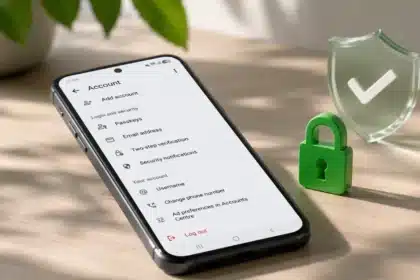
The phone also includes a parental web portal that gives adults oversight tools and activity reports.
Interestingly, Sayph says the platform can generate AI-powered activity summaries, allowing parents to monitor usage patterns without manually checking every interaction themselves.
“We created Sayph to solve a very real and current parental dilemma,” co-founder Ben Humphrey said during the launch announcement.
“Parents want their children to have independence… but they don’t want to expose them to the pressures and risks of social media and open internet access.”
Why does this launch come at an important time?
As the debate over providing smartphones to children heats up around the world, Sayph is launching in response to the UK and many countries having stricter guidelines around social media for minors.
The UK has moved towards restricting social media use among minors due to growing concerns about the effects of social media on mental well-being, attention span, quality of sleep, and safety online, with many countries in discussion for creating laws around the use of social media for children.
There will likely be an increase in demand for “safe” smartphones for children with the launch of Sayph.
Price and availability
Sayph’s modified Samsung smartphone is currently available in the UK.
The device costs £189, along with a £4.99 monthly subscription for access to the parental monitoring platform.
While it remains to be seen whether children will fully embrace such restricted devices, the concept highlights how the smartphone industry is beginning to rethink what a “kid-friendly phone” should actually look like in the social media era.
Also Read: Is Your Android Phone Eligible For The Next Big Update? Here’s The List