



Our daily lives are almost entirely contained within our smartphones, including banking applications, passwords, personal images, emails, and work files.
While smartphones are now storing all of this information about us, they have also become a significant target for cybercriminals attempting to steal data or identify our whereabouts or access our personal accounts.
Malware infections on smartphones are becoming more commonplace and are obtained mainly through suspicious applications, malicious links, insecure WiFi connections, and phishing attempts. Below are 5 indicators that may suggest that malware has infected your mobile device.
5 Signs Your Phone May Have Malware
Here are five warning signs that could indicate your phone has been infected with malware.
1. Random Pop-Up Ads Or Unknown Apps
One of the most common warning signs is suddenly seeing excessive pop-up ads or unfamiliar apps appearing on your phone.
Some malicious apps secretly install adware or spyware in the background, which can trigger random ads, redirects, or downloads without your permission. If you notice apps you never installed, deleting them immediately is recommended.
2. Your Phone Feels Unusually Hot
Malware often runs hidden background processes that force your phone to work harder than normal.
This extra activity can cause your device to overheat even during light usage. If your phone regularly feels hot without gaming, charging, or heavy multitasking, suspicious software could be responsible.
3. Battery Life Starts Draining Quickly
A sudden drop in battery performance can also signal malware activity.
Viruses, spyware, or hidden background apps may continuously use internet access, GPS, or processing power, causing your battery to drain much faster than usual.
4. Your Phone Suddenly Becomes Slow
If apps take longer to open, scrolling becomes laggy, or the device feels sluggish overall, malware may be consuming system resources in the background.
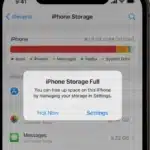
In some cases, malicious apps also occupy storage space or continuously transfer data, slowing down overall phone performance.
5. Unusual Data Usage Or Fraudulent Charges
Unexpected spikes in mobile data usage could indicate that malware is secretly sending information from your device to external servers.
Similarly, unfamiliar charges, app purchases, or suspicious banking transactions may suggest that hackers gained access to payment details stored on the phone.
How To Reduce Malware Risks
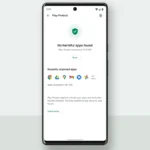
Experts in security recommend downloading apps only from known and trusted sources, using appropriate caution when opening links, regularly updating your software, and removing any unnecessary permissions from your applications.
You can also use a reputable antivirus program or mobile security software to protect yourself from threats by detecting them before they have a chance to become a problem and to protect your device from phishing attempts, spyware, or any other malicious downloads.
Also Read: Gmail’s New AI Can Search All Your Emails- Here’s How It Works