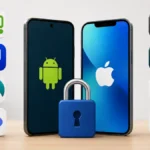


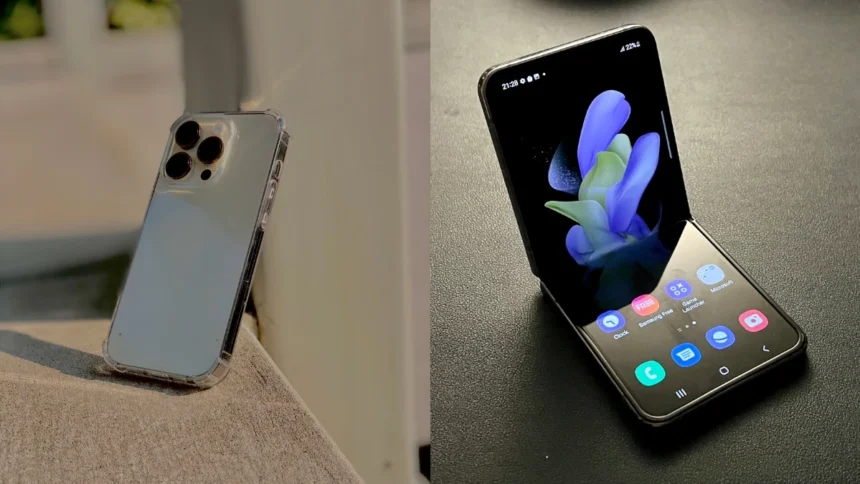
The iPhone vs Android debate has been going on for years, and honestly, it’s not ending anytime soon. With billions of Android devices and over a billion iPhones in use worldwide, both platforms clearly have loyal fans.
So, if you are trying to decide between the two, the real question isn’t which one is “better.” It’s which one fits you better?
Let’s start the iPhone vs. Android comparison by looking at some of the basic differences first, and then we’ll move forward in-depth.
| Feature | iPhone (iOS) | Android |
| System Type | Closed and controlled | Open and flexible |
| Device Options | Limited models | Wide range of brands and prices |
| Customization | Limited | Highly customizable |
| Software Updates | Long-term and consistent | Varies by manufacturer |
| Performance | Smooth and optimized | Depends on device |
| Camera Focus | Strong video and consistency | Versatile camera options |
| Security | Tightly controlled | Strong but varies by brand |
Operating System
The biggest difference starts with the operating system. Android is open and used by many brands like Samsung, OnePlus, Google, Xiaomi, and others. This means you get a wide range of devices at different price points.
iPhone, on the other hand, runs on Apple’s iOS, which is controlled entirely by Apple. The company designs both the software and the hardware, which allows everything to work together smoothly.
Android gives users more freedom, while iPhone focuses on a controlled and consistent experience.
Hardware
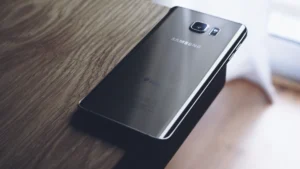
When it comes to hardware choices, Android clearly offers more variety. You can buy a budget Android phone, a mid-range device, a premium flagship, or even a foldable phone.
With iPhones, the options are limited to a few models each year, and they are mostly positioned in the premium segment.
This difference has always remained the same: Android provides options across all budgets, while iPhone keeps its lineup focused and high-end.
Performance & Speed
Performance is another area where the gap feels different but consistent. Apple designs its own chips, and iPhones are known for smooth and stable performance, even after years of use. Software updates are optimised for specific models, which helps maintain speed over time.
Android performance depends heavily on the brand and price. High-end Android phones perform exceptionally well, but lower-cost models may not offer the same long-term smoothness.
So, Apple controls the full system, while Android performance can vary depending on the manufacturer.
Software Update
In addition, software updates follow a similar trend between both platforms. iPhones usually get updated for around 5 – 6 years, but sometimes longer.
It is dependent on the hardware manufacturer for Android, as companies like Google and Samsung are including longer update support than they have in the past, but every OEM has a different support window.
This has always been one of the most visible differences between the two platforms.
Customization
When it comes to customisation, Android has a larger degree of customisation. Users can customise their device to fit their personality; change their theme, icons, default apps, how their home screens look and other aspects of their device.
Apple has only allowed for a limited degree of customisation until now, and this is still less than what is available on Android.
Apple has always favoured having a clean and consistent interface over giving customers complete freedom to change their devices’ design.
Camera Quality
With regards to camera quality, both platforms produce high-quality images and video, but their philosophies on how to achieve that quality differ.
iPhones have consistently nailed the execution of quality photos and videos with an emphasis on colour accuracy and stability during recording and playback.
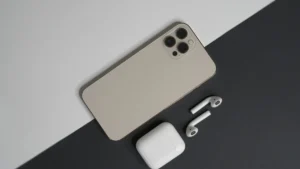
Even though both platforms produce great image and video results, an iPhone produces consistent quality image results, while Android has a focus on versatility in its photo quality
Security & Privacy
Security and privacy are also handled differently. Apple’s closed ecosystem and strict app review process are often seen as strong security advantages.
Android has improved significantly in security features over the years, but since it is open and used by many manufacturers, the experience can differ.
Apple keeps tighter control, while Android gives flexibility with some added responsibility on the user’s side.
Apps & More
The app ecosystem is strong on both platforms. Most major apps are available on Android and iOS. However, iOS apps are often optimised better because developers design them for fewer devices.
Android, with its wide range of hardware, sometimes faces slight differences in optimisation. Still, Android offers more free apps and broader device compatibility.
So, in iPhone vs Android, choosing between them is less about specs and more about preference. If you like freedom and options, Android may suit you better. If you prefer a polished and seamless experience, iPhone might be the right choice.
Also Read: Apple Watch Series 11, Ultra 3, And SE 3 Compared: Which One Should You Buy?