


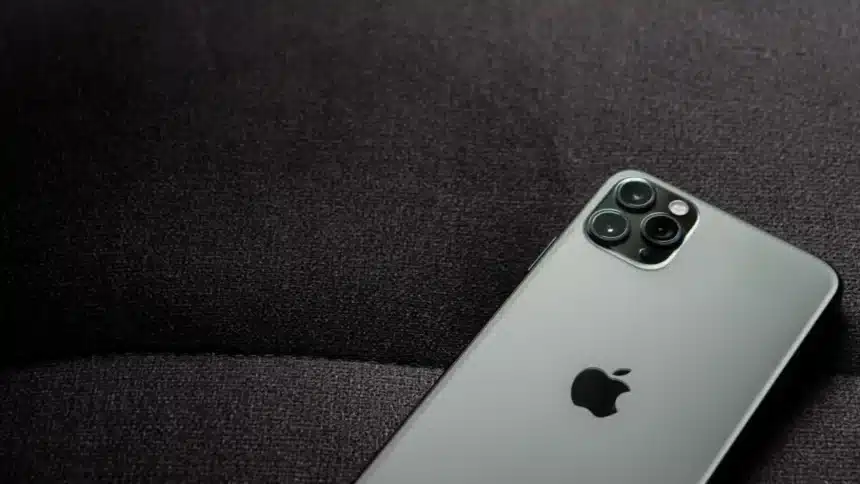
Every year around WWDC, there’s some fear among people holding onto older iPhones. You open Twitter, see the compatibility list, and either feel relief or start budgeting for an upgrade.
This year, Apple has done something a lot of people didn’t really expect, as Apple is not dropping support for any older iPhones with iOS 27. The new OS will work with the same set of iPhones as iOS 26, starting from the iPhone 11.
Software chief Craig Federighi made a point of it on stage, saying Apple “figured out a way to bring it to older models all the way back to iPhone 11,” and that this makes iOS 27 “available to more users than any iOS release ever.”
This is a much bigger deal than it sounds. The iPhone 11 came out in 2019. That’s seven years of major iOS updates for a phone you may have paid under $700 for at launch.
No Android phone even comes close to this.
One important thing to know is that iOS 27 compatibility is split into tiers.
- Full iOS 27 update with Apple Intelligence goes to iPhone 15 Pro and newer.
- Full iOS 27 update without Apple Intelligence goes to iPhone 11 through iPhone 15 (non-Pro) plus iPhone SE 2nd and 3rd gen.
So your older phone will get everything except the AI stuff.
List of iPhones Getting iOS 27 Update
Here are the 11 unexpected devices that will have the iOS 27 update:
1. iPhone SE (2nd Generation)
Released in April 2020, this was Apple’s budget answer to people who wanted a small, cheap iPhone. It starts at $399 and looks exactly like an iPhone 8 small screen, home button, and thick bezels. Nobody was expecting it to still be on the list in 2026.
Core Specs:
- Display: 4.7-inch Retina HD LCD (1334 x 750 pixels, 326 ppi)
- Processor: Apple A13 Bionic chip
- Memory (RAM): 3 GB
- Storage: 64 GB, 128 GB, or 256 GB
- Rear Camera: 12 MP Wide (f/1.8), 4K video at up to 60 fps, Portrait Mode
- Front Camera: 7 MP (f/2.2), 1080p video
- Battery: 1821 mAh (supports Qi wireless charging and 18W fast charging)
- Biometrics: Touch ID (physical Home button)
- Connectivity: 4G LTE, Wi-Fi 6, Bluetooth 5.0, NFC
- Water Resistance: IP67 rating (up to 1 meter for 30 minutes)
2. iPhone SE (3rd Generation)
Released in March 2022, same basic design as the 2nd gen but with an A15 Bionic chip, the same chip that was in the iPhone 13 Pro at launch. It is still sold today as Apple’s cheapest iPhone at around $429.
Core Specs:
- Display: 4.7-inch Retina HD LCD (1334 x 750 pixels, 326 ppi)
- Processor: Apple A15 Bionic chip
- Memory (RAM): 4 GB
- Storage: 64 GB, 128 GB, or 256 GB
- Rear Camera: 12 MP Wide (f/1.8), 4K video at up to 60 fps, Smart HDR 4, Photographic Styles
- Front Camera: 7 MP (f/2.2), 1080p video
- Battery: 2018 mAh (supports Qi wireless charging and 20W fast charging)
- Biometrics: Touch ID (physical Home button)
- Connectivity: 5G (sub-6 GHz), Wi-Fi 6, Bluetooth 5.0, NFC
- Water Resistance: IP67 rating (up to 1 meter for 30 minutes)
3. iPhone 11
This is the one that got people talking. The iPhone 11 was unveiled on September 10, 2019, which means this phone is almost seven years old and still getting Apple’s latest OS. When Apple dropped the iPhone XR and XS last year with iOS 26, everyone figured the iPhone 11 was next.
Core Specs:
- Display: 6.1-inch Liquid Retina HD LCD (1792 x 828 pixels, 326 ppi)
- Processor: Apple A13 Bionic chip
- Memory (RAM): 4 GB
- Storage: 64 GB, 128 GB, or 256 GB
- Rear Camera: Dual 12 MP system: Wide (f/1.8) and Ultra Wide (f/2.2), Night mode, 4K video up to 60 fps
- Front Camera: 12 MP TrueDepth (f/2.2), 4K video up to 60 fps
- Battery: 3110 mAh (supports Qi wireless charging and 18W fast charging)
- Biometrics: Face ID (facial recognition via TrueDepth camera)
- Connectivity: 4G LTE, Wi-Fi 6, Bluetooth 5.0, NFC, Ultra Wideband (U1 chip)
- Water Resistance: IP68 rating (up to 2 meters for 30 minutes)
4. iPhone 11 Pro
The iPhone 11 Pro model of 2019 had three cameras, wide, ultra-wide, and telephoto, and a stainless steel frame. It was $999 at launch.
Core Specs:
- Display: 5.8-inch Super Retina XDR OLED (2436 x 1125 pixels, 458 ppi)
- Processor: Apple A13 Bionic chip
- Memory (RAM): 4 GB
- Storage: 64 GB, 256 GB, or 512 GB
- Rear Camera: Triple 12 MP system: Ultra Wide (f/2.4), Wide (f/1.8), and Telephoto (f/2.0, 2x optical zoom in/out, Night mode, 4K video up to 60 fps
- Front Camera: 12 MP TrueDepth (f/2.2), 4K video up to 60 fps
- Battery: 3046 mAh (supports Qi wireless charging and 18W fast charging)
- Biometrics: Face ID (facial recognition via TrueDepth camera)
- Connectivity: 4G LTE, Wi-Fi 6, Bluetooth 5.0, NFC, Ultra Wideband (U1 chip)
- Water Resistance: IP68 rating (up to 4 meters for 30 minutes)
5. iPhone 11 Pro Max
The biggest iPhone of 2019 was launched at $1,099. If you paid that much for a phone seven years ago, you have absolutely got your money’s worth by now.
Core Specs:
- Display: 6.5-inch Super Retina XDR OLED (2688 x 1242 pixels, 458 ppi)
- Processor: Apple A13 Bionic chip
- Memory (RAM): 4 GB
- Storage: 64 GB, 256 GB, or 512 GB
- Rear Camera: Triple 12 MP system: Ultra Wide (f/2.4, Wide (f/1.8), and Telephoto (f/2.0), 2x optical zoom in/out, Night mode, 4K video up to 60 fps
- Front Camera: 12 MP TrueDepth (f/2.2), 4K video up to 60 fps
- Battery: 3969 mAh (supports Qi wireless charging and 18W fast charging)
- Biometrics: Face ID (facial recognition via TrueDepth camera)
- Connectivity: 4G LTE, Wi-Fi 6, Bluetooth 5.0, NFC, Ultra Wideband (U1 chip)
- Water Resistance: IP68 rating (up to 4 meters for 30 minutes)
6. iPhone 12 mini
iPhone 12 mini was a phone Apple tried and eventually abandoned because not enough people bought it. A 5.4-inch screen, an A14 Bionic chip, was released in October 2020.
Core specs:
- Display: 5.4-inch Super Retina XDR OLED (2340 x 1080 pixels, 476 ppi) with Ceramic Shield front cover
- Processor: Apple A14 Bionic chip
- Memory (RAM): 4 GB
- Storage: 64 GB, 128 GB, or 256 GB
- Rear Camera: Dual 12 MP system: Ultra Wide (f/2.4)and Wide (f/1.6), Night mode (all cameras), Deep Fusion, 4K Dolby Vision HDR video up to 30 fps
- Front Camera: 12 MP TrueDepth (f/2.2), Night mode, 4K Dolby Vision HDR up to 30 fps
- Battery: 2227 mAh (supports Qi/MagSafe wireless charging and 20W fast charging)
- Biometrics: Face ID (facial recognition via TrueDepth camera)
- Connectivity: 5G (sub-6 GHz and mmWave), Wi-Fi 6, Bluetooth 5.0, NFC, Ultra Wideband (U1 chip)
- Water Resistance: IP68 rating (up to 6 meters for 30 minutes)
7. iPhone 12
iPhone 12 was the first iPhone with 5G, which was released in October 2020. A big deal at that time. An A14 Bionic chip, a new flat-edged design that was a significant aesthetic refresh over the round-edged 11.
Core Specs:
- Display: 6.1-inch Super Retina XDR OLED (2532 x 1170 pixels, 460 ppi) with Ceramic Shield front cover
- Processor: Apple A14 Bionic chip
- Memory (RAM): 4 GB
- Storage: 64 GB, 128 GB, or 256 GB
- Rear Camera: Dual 12 MP system: Ultra Wide (f/2.4) and Wide (f/1.6), Night mode (all cameras), Deep Fusion, 4K Dolby Vision HDR video up to 30 fps
- Front Camera: 12 MP TrueDepth (f/2.2), Night mode, 4K Dolby Vision HDR up to 30 fps
- Battery: 2815 mAh (supports Qi/MagSafe wireless charging and 20W fast charging)
- Biometrics: Face ID (facial recognition via TrueDepth camera)
- Connectivity: 5G (sub-6 GHz and mmWave), Wi-Fi 6, Bluetooth 5.0, NFC, Ultra Wideband (U1 chip)
- Water Resistance: IP68 rating (up to 6 meters for 30 minutes)
8. iPhone 12 Pro and 12 Pro Max
The 12 Pro and Pro Max models added LiDAR, a telephoto camera, and ProRAW support when they launched in 2020. They felt genuinely professional for their time.
(iPhone 12 Pro) Core Specs:
- Display: 6.1-inch Super Retina XDR OLED (2532 x 1170 pixels, 460 ppi) with Ceramic Shield front cover
- Processor: Apple A14 Bionic chip
- Memory (RAM): 6 GB
- Storage: 128 GB, 256 GB, or 512 GB
- Rear Camera: Triple 12 MP system: Ultra Wide (f/2.4), Wide (f/1.6), and Telephoto (f/2.0 with 2x optical zoom in); LiDAR Scanner for Night mode portraits; Apple ProRAW; 4K Dolby Vision HDR video up to 60 fps
- Front Camera: 12 MP TrueDepth (f/2.2), Night mode, 4K Dolby Vision HDR up to 30 fps
- Battery: 2815 mAh (supports Qi/MagSafe wireless charging and 20W fast charging)
- Biometrics: Face ID
- Connectivity: 5G, Wi-Fi 6, Bluetooth 5.0, NFC, Ultra Wideband (U1 chip)
- Water Resistance: IP68 rating (up to 6 meters for 30 minutes)
(iPhone 12 Pro Max) Core specs:
- Display: 6.7-inch Super Retina XDR OLED (2778 x 1284 pixels, 458 ppi) with Ceramic Shield front cover
- Processor: Apple A14 Bionic chip
- Memory (RAM): 6 GB
- Storage: 128 GB, 256 GB, or 512 GB
- Rear Camera: Triple 12 MP system: Ultra Wide (f/2.4), Wide (f/1.6 with larger sensor and sensor-shift OIS), and Telephoto (f/2.2 with 2.5x optical zoom in); LiDAR Scanner for Night mode portraits; Apple ProRAW; 4K Dolby Vision HDR video up to 60 fps
- Front Camera: 12 MP TrueDepth (f/2.2), Night mode, 4K Dolby Vision HDR up to 30 fps
- Battery: 3687 mAh (supports Qi/MagSafe wireless charging and 20W fast charging)
- Biometrics: Face ID
- Connectivity: 5G, Wi-Fi 6, Bluetooth 5.0, NFC, Ultra Wideband (U1 chip)
- Water Resistance: IP68 rating (up to 6 meters for 30 minutes)
9. iPhone 13 mini
This has the same story as the iPhone 12 mini, but from 2021 and with an A15 Bionic chip. Better battery than its predecessor, same tiny form factor that Apple quietly discontinued.
Core specs:
- Display: 5.4-inch Super Retina XDR OLED (2340 x 1080 pixels, 477 ppi) with Ceramic Shield front cover
- Processor: Apple A15 Bionic chip
- Memory (RAM): 4 GB
- Storage: 128 GB, 256 GB, or 512 GB
- Rear Camera: Dual 12 MP system: Ultra Wide (f/2.4) and Wide (f/1.6) with sensor-shift OIS, Cinematic mode (1080p at 30 fps), Smart HDR 4, 4K Dolby Vision HDR video up to 60 fps
- Front Camera: 12 MP TrueDepth (f/2.2), Cinematic mode, 4K Dolby Vision HDR up to 60 fps
- Battery: 2406 mAh (supports Qi/MagSafe wireless charging and 20W fast charging)
- Biometrics: Face ID
- Connectivity: 5G, Wi-Fi 6, Bluetooth 5.0, NFC, Ultra Wideband (U1 chip)
- Water Resistance: IP68 rating (up to 6 meters for 30 minutes)
10. iPhone 13 and 13 Pro
It was released in September 2021. The iPhone 13 was a solid mainstream update with better cameras, much better battery life, and A15 Bionic. The Pro added ProMotion 120Hz display.
(iPhone 13) Core Specs:
- Display: 6.1-inch Super Retina XDR OLED (2532 x 1170 pixels, 460 ppi) with Ceramic Shield front cover
- Processor: Apple A15 Bionic chip (4-core GPU)
- Memory (RAM): 4 GB
- Storage: 128 GB, 256 GB, or 512 GB
- Rear Camera: Dual 12 MP system: Ultra Wide (f/2.4) and Wide (f/1.6) with sensor-shift OIS, Cinematic mode (1080p at 30 fps), Smart HDR 4, 4K Dolby Vision HDR video up to 60 fps
- Front Camera: 12 MP TrueDepth (f/2.2), Cinematic mode, 4K Dolby Vision HDR up to 60 fps
- Battery: 3240 mAh (supports Qi/MagSafe wireless charging and 20W fast charging)
- Biometrics: Face ID
- Connectivity: 5G, Wi-Fi 6, Bluetooth 5.0, NFC, Ultra Wideband (U1 chip)
- Water Resistance: IP68 rating (up to 6 meters for 30 minutes)
(iPhone 13 Pro) Core specs:
- Display: 6.1-inch Super Retina XDR OLED with ProMotion (120Hz refresh rate, 2532 x 1170 pixels, 460 ppi)
- Processor: Apple A15 Bionic chip (5-core GPU)
- Memory (RAM): 6 GB
- Storage: 128 GB, 256 GB, 512 GB, or 1 TB
- Rear Camera: Triple 12 MP system: Ultra Wide (f/1.8), Wide (f/1.5), and Telephoto (f/2.8 with 3x optical zoom); LiDAR Scanner; Macro photography; ProRes video recording; Cinematic mode; 4K Dolby Vision HDR up to 60 fps
- Front Camera: 12 MP TrueDepth (f/2.25), Cinematic mode, ProRes video recording
- Battery: 3095 mAh (supports Qi/MagSafe wireless charging and 20W fast charging)
- Biometrics: Face ID
- Connectivity: 5G, Wi-Fi 6, Bluetooth 5.0, NFC, Ultra Wideband (U1 chip)
- Water Resistance: IP68 rating (up to 6 meters for 30 minutes)
11. iPhone 14
The iPhone 14 launched in 2022, and this is still a strange decision in hindsight; it has the same A15 chip as the iPhone 13. Apple essentially sold you the iPhone 13 in a new box with a slightly better camera and crash detection.
Core Specs:
- Display: 6.1-inch Super Retina XDR OLED (2532 x 1170 pixels, 460 ppi) with Ceramic Shield front cover
- Processor: Apple A15 Bionic chip (enhanced 5-core GPU version)
- Memory (RAM): 6 GB
- Storage: 128 GB, 256 GB, or 512 GB
- Rear Camera: Dual 12 MP system: Ultra Wide (f/2.4), and Wide (f/1.5) with sensor-shift OIS, Photonic Engine, Action mode, Cinematic mode (up to 4K HDR at 30 fps)
- Front Camera: 12 MP TrueDepth (f/1.9) with Autofocus, Cinematic mode up to 4K HDR at 30 fps
- Battery: 3279 mAh (supports Qi/MagSafe wireless charging and 20W fast charging)
- Biometrics: Face ID
- Safety Features: Crash Detection and Emergency SOS via satellite
- Connectivity: 5G, Wi-Fi 6, Bluetooth 5.3, NFC, Ultra Wideband (U1 chip)
- Water Resistance: IP68 rating (up to 6 meters for 30 minutes)
To be clear about what iOS 27 means for older devices: Liquid Glass has been refined for better readability, more uniform refraction and improved contrast, with a new slider to adjust from ultraclear to fully tinted.
Parental controls get new time allowances for entertainment, games and social media, plus schedule tools for different times of day, and Ask to Browse, which requires kids to get parental permission before visiting any new website in Safari.
Apps launch quicker, AirDrop transfers are faster, and new captures in Photos load up to 70% faster.
Also Read: WWDC 2026: Here’s Everything Apple Just Announced