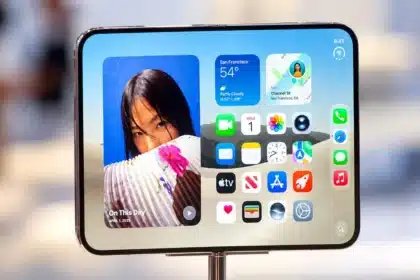




Apple’s WWDC 2026 keynote brought a lot of excitement, with the company unveiling iOS 27, Siri AI, smarter photo tools, improved parental controls, and a host of quality-of-life upgrades.
For iPhone users, many of these additions represent significant leaps forward, but for Android users, it was something different.
Every year, Apple introduces features that are marketed as groundbreaking innovations, only for Android users to realize they have been using the same features for years.
That trend continued at WWDC 2026, where several headline features showcased by Apple already exist across Android smartphones from companies such as Google, Samsung, OnePlus, Honor, Motorola, and others.
Let’s have a look at the biggest iOS 27 features that Android users already have.
1. Artificial Intelligence as Siri AI
The biggest announcement at WWDC 2026 was Siri AI. Apple’s voice assistant has finally received the intelligence upgrade users have been waiting for, with improved contextual awareness, multimodal capabilities, screen understanding, camera-based interactions, and a more natural voice.
While these features are a major step forward for Siri, they closely resemble capabilities already available through Android AI assistants, such as Google Gemini, Galaxy AI, Motorola AI, Honor AI and OnePlus AI.
Android users have been using AI assistants that can understand on-screen content, analyze camera feeds, answer contextual questions, and generate summaries for well over a year.
2. Live Camera Search Is Basically Android’s Google Lens
One of Siri AI’s most talked-about features is the ability to use the camera to identify objects, understand surroundings, and provide contextual information.
However, Android users have had access to Google Lens since 2017.
Google Lens can identify objects, translate text, recognize landmarks, scan products, extract information from images and solve homework problems.
3. Custom Siri Voices Follow Android’s Lead
Apple has finally made Siri significantly more customizable. Users can now choose different voice styles, adjust speaking pace, and modify expressiveness.
Meanwhile, Android users have had access to highly customizable voice assistants for years. Google’s voice options have evolved dramatically since the early Google Assistant era, with natural-sounding speech available across dozens of languages.
4. Apple’s Password Upgrade
Apple’s Passwords app received a major upgrade in iOS 27. It can now detect compromised credentials, recommend password updates and automatically help users change passwords.
These features have long existed within Google Password Manager and Google’s broader security ecosystem.
Password breach detection and automated security alerts have been available to Android users for several years through Google services.
5. AirPods EQ
One surprisingly overdue announcement was the arrival of a customizable equalizer for AirPods. Users will now be able to manually adjust audio frequencies and personalize their listening experience.
Android users, however, have had access to advanced audio customization for years through Dolby Atmos integrations, manufacturer audio suites, third-party equalizer apps and custom sound profiles.
6. Apple Photos
Apple is significantly expanding its AI-powered photo editing tools. New additions include advanced object removal, AI image expansion, perspective adjustments, smarter photo organization and automatic sharing improvements.
These capabilities closely resemble features already found in Google Photos, Samsung Gallery AI tools and Honor AI photo editing features
Google Photos, in particular, has offered AI-powered editing, sharing, object removal, and automatic memories for several years.
7. Smarter Search Mirrors
Apple is rebuilding search across iPhone, iPad, and Mac through a more intelligent device-wide index. The result is faster and more contextual search results.
Android has been steadily moving in this direction through features such as the circle to Search, on-device AI indexing, contextual app suggestions and smart search integrations.
The difference is that Apple is now bringing these capabilities deeper into its ecosystem, while Android users have already experienced similar functionality through various manufacturers.
Apart from these, many more iOS features resemble Android’s approach, but None of this diminishes the significance of iOS 27.
For millions of iPhone users, these updates represent meaningful improvements that make Apple’s ecosystem smarter, more capable, and more competitive in the AI era.
Also Read: What Is Apple HomeKit? Everything iPhone Users Need To Know About It