





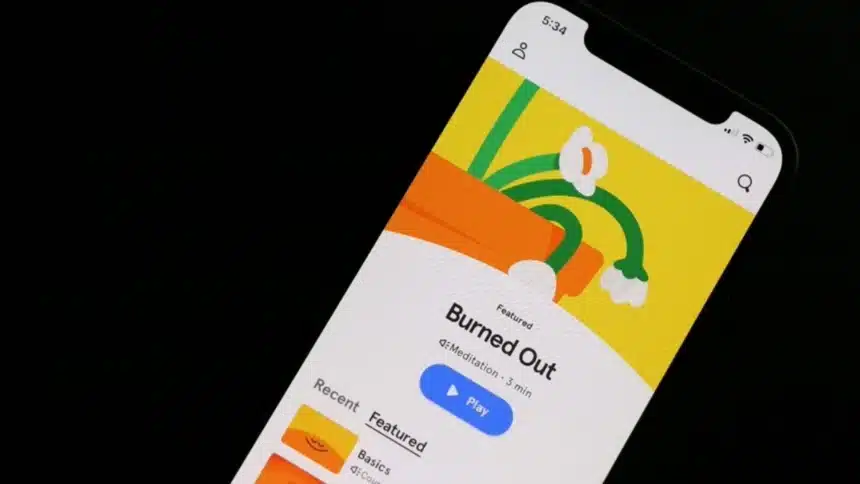
Stress, not getting enough sleep, being constantly notified, and having a lot on your plate can make it hard to find time for yourself. Apps for meditation and mental health make it easy to deal with everyday stress, practice mindfulness, and make healthier habits without having to go to classes in person.
There are many apps for your phone that offer guided meditations, breathing exercises, sleep aids, and personalized wellness programs. These apps can help you whether you are new to meditation or just want to improve your mental health. Here are some of the best apps for 2026 to help you meditate and support your mental health.
- 1. Headspace: Best for Beginners
- 2. Calm: Best for Sleep and Relaxation
- 3. Insight Timer: Best Free Meditation App
- 4. Balance: Best for Personalized Meditation
- 5. Medito: Best Completely Free Mental Wellness App
- 6. Waking Up: Best for Learning Meditation in Depth
- 7. Happier Meditation (Formerly Ten Percent Happier): Best for Practical Mindfulness
- How to Choose the Right Meditation App?
- 1. Identify your primary goal
- 2. Check the free content
- 3. Look for beginner-friendly sessions
- 4. Compare subscription costs
- 5. Check privacy settings
- Can Meditation Apps Replace Professional Mental Health Support?
- Best Meditation and Mental Wellness Apps for Your Smartphone in 2026: At a Glance
- Final Thoughts
1. Headspace: Best for Beginners
Headspace is one of the best meditation apps for people who are just starting out. It uses structured courses, guided sessions, and easy-to-follow instructions to help people learn how to meditate and make it a daily habit.
The app has guided meditations for sleep, stress, anxiety, and being able to concentrate. Users can start with short practices that only last a few minutes and work their way up to longer ones.
Key features:
- Guided meditation sessions for both new and experienced meditators.
- When you’re feeling stressed, do some short breathing exercises.
- Listen to sleep music, sleepcasts, or meditate before bed.
- Take mindfulness courses to improve focus and manage emotions.
- For everyday relaxation, do exercises and move with awareness.
- Eligible plans give you access to mental health coaching and therapy services.
Pricing: Headspace offers a free trial, with individual subscriptions generally starting at $12.99 per month or $69.99 per year in the US. Therapy and coaching services may cost extra or have separate eligibility requirements.
Best for: People new to meditation who want structured guidance rather than choosing sessions from a large library.
2. Calm: Best for Sleep and Relaxation
Calm is especially helpful for people who have trouble relaxing after a long day or falling asleep. Mindfulness exercises, sleep stories, and breathing exercises are all part of the app. It doesn’t just focus on traditional meditation.
One of its most popular features is Sleep Stories. These are bedtime stories read by famous people to help people calm down before bed. People can also listen to nature sounds, relaxing music, and guided meditations for sleep.
Key features:
- Mindfulness, stress, and anxiety can all be helped by guided meditation.
- Sleep Stories narrated by well-known personalities.
- Soundscapes and music designed to relax.
- Breathing exercises to help you calm down.
- Daily meditation sessions.
- Multiday programs to help you sleep, deal with stress, and grow as a person.
Pricing: Calm offers selected free content. It usually costs $14.99 a month or $69.99 a year for a Premium subscription, but deals and prices can change.
Best for: People who need help unwinding, getting ready for bed, and sleeping better.
3. Insight Timer: Best Free Meditation App
Insight Timer is a good option if you want access to many meditation resources without paying a monthly fee. The app has more than 300,000 guided practices, music tracks, talks, and other mindfulness resources. It has one of the largest meditation libraries.
Insight Timer differs from other meditation apps because it lets users try different teachers, meditation styles, and techniques. You can search for sessions based on your mood, your free time, or your specific needs.
The app also includes a meditation timer for people who would rather practice without being told what to do.
Key features:
- Over 300,000 guided meditations and mindfulness exercises to choose from.
- Meditations and breathing exercises for the body.
- Sleep music, relaxing sounds, and bedtime sessions.
- Live classes in yoga and meditation.
- Stress, anxiety, and emotional health are all covered in these classes.
- Customizable meditation timer.
Pricing: Most of Insight Timer’s library is free. It offers an optional subscription called MemberPlus for about $9.99 a month or $59.99 a year, which gives you access to premium courses, offline downloads, and an ad-free experience.
Best for: People who want to try different types of meditation without paying a lot for a subscription.
4. Balance: Best for Personalized Meditation
Balance lets you meditate in a way that is more tailored to your needs. Before making a daily practice plan, the app asks users about their meditation experience, goals, and preferences. It then suggests the same sessions to everyone.
For instance, if your main goal is to manage stress, Balance can suggest sessions that focus on breathing and relaxation. It can suggest exercises that help you focus and pay attention if you want to improve your concentration.
The app also has 10-day meditation plans that help you get used to new techniques slowly. It’s easier to build a routine when you don’t have to decide what to do every day.
Key features:
- Personalized daily meditation recommendations.
- Guided meditation plans organized into 10-day programs.
- Breathing exercises and body scan techniques.
- Short sessions for quick mental breaks.
- Sleep and relaxation activities.
- Immersive meditations combining audio and sound effects.
Pricing: Balance offers a free trial, followed by subscriptions starting at $11.99 per month or $69.99 per year in the US. A lifetime subscription may also be available.
Best for: People who prefer personalized recommendations and want a guided plan that adapts to their meditation goals.
5. Medito: Best Completely Free Mental Wellness App
Medito is a free meditation app made by a nonprofit that wants to make mindfulness easy to access for everyone. It doesn’t want you to pay for a membership to use its main features as many other popular wellness apps do.
The app has guided meditation sessions, breathing exercises, sleep stories, and mindfulness courses for both new and experienced users. You can also try short sessions when you need a break during a busy day.
Medito helps with everyday health issues like stress relief, better sleep, focus, and emotional awareness. Its easy-to-use programs make it a great place for people who have never meditated before to get started.
Key features:
- Meditation courses with a teacher for people of all skill levels.
- Short sessions to help you relax and learn how to breathe better.
- Sleep stories and relaxing soundscapes.
- Beginner courses and 30-day challenges.
- Mindful exercises like walking and other things.
- Offline downloads let you practice even when you’re not online.
Pricing: Completely free. Medito doesn’t have a premium paywall, require a subscription, or show ads on its main content. The nonprofit funds itself through donations and other sources.
Best for: Beginners, students, and anyone who wants a free meditation app without a monthly fee.
6. Waking Up: Best for Learning Meditation in Depth
Waking Up is for people who want to learn more about meditation than just basic ways to relax. The app was made by neuroscientist and author Sam Harris. It includes lessons, discussions, and practical explanations of mindfulness, along with guided meditation.
Its first course teaches people to become more aware and to understand their thoughts without reacting automatically. People can also listen to talks about philosophy, psychology, and the nature of the mind, as well as sessions from different meditation teachers.
They don’t require users to follow a certain religion or spiritual belief in order to use the app.
Key features:
- Daily guided meditations.
- Introductory courses for learning mindfulness.
- Lessons on the theory and practice of meditation.
- Talks and conversations with experts and teachers of meditation.
- Unguided meditation timer.
- Extensive audio library covering mindfulness and personal development.
Pricing: Waking Up offers a seven-day free trial. Its website lists subscriptions at $19.99 per month or $129.99 per year. It also offers free memberships through its scholarship program for people who cannot afford a subscription.
Best for: People who want a more profound understanding of mindfulness and meditation rather than simply following relaxation exercises.
7. Happier Meditation (Formerly Ten Percent Happier): Best for Practical Mindfulness
Happier Meditation, which used to be called Ten Percent Happier, is a practical way to improve your mental health. This guide is made for people who want to meditate but find it hard to follow traditional mindfulness advice.
The app focuses on everyday things like managing stress at work, tough emotions, getting better sleep, and improving focus.
It has guided meditation sessions led by experienced teachers and offers personalized plans based on each person’s goals. Since sessions are only a few minutes long, they’re easy to fit into your daily life.
Happier Meditation doesn’t show meditation as a hard spiritual practice. Instead, it focuses on techniques that people can use to deal with everyday problems.
Key features:
- More than 500 guided meditation sessions.
- Personalized meditation plans.
- Short exercises for managing stress and anxiety.
- Sleep-focused meditation sessions.
- Lessons from experienced mindfulness teachers.
- Practices for improving focus and emotional awareness.
Pricing: The app is free to download, with premium subscriptions and in-app purchases. Pricing can vary by subscription option and platform.
Best for: People who prefer straightforward, practical meditation advice and want to apply mindfulness techniques to everyday situations.
How to Choose the Right Meditation App?
With so many options, what you want to achieve will determine which meditation app you use. It’s not always better to have a big content library if all you need is a few minutes of guided breathing every day.
Before you subscribe, think about these things:
1. Identify your primary goal
Why do you want to use a meditation app? Pick one with sleep stories and soothing music if you want to sleep better. For everyday stress, look for guided breathing exercises and programs that help you manage it.
2. Check the free content
Most well-known meditation apps let you try them out for free for a short time. However, apps like Medito and Insight Timer offer a lot of useful free content. Check out these choices before you sign up for a paid service.
3. Look for beginner-friendly sessions
You should start with short guided sessions if you have never meditated before. An app with clear instructions and structured programs for beginners can make the process easier.
4. Compare subscription costs
Most of the time, paying for a subscription once a year is cheaper than paying every month. Wait to buy a long-term plan until you have tried the app and are sure you will use it often.
5. Check privacy settings
Mental health apps may collect personal data, such as mood entries, usage data, and other health information. Before giving out personal information, read the app’s privacy policy and permissions.
Can Meditation Apps Replace Professional Mental Health Support?
Using meditation apps can help you become more aware, manage everyday stress, and learn to relax. But they are not the same as getting professional help for your mental health.
If you have anxiety, depression, panic attacks, or other mental health problems that won’t go away, you might want to talk to a licensed mental health professional. Some platforms, like Headspace, also offer therapy and coaching through separate plans or qualifying employer benefits.
Meditation apps can support your overall health, but they shouldn’t replace professional help or a diagnosis.
Best Meditation and Mental Wellness Apps for Your Smartphone in 2026: At a Glance
| App Name | Best For | Key Features | Pricing |
|---|---|---|---|
| Headspace | Beginners | Guided meditation, sleep support, breathing exercises | From $12.99/month |
| Calm | Sleep and Relaxation | Sleep Stories, relaxing music, mindfulness exercises | From $14.99/month |
| Insight Timer | Free Meditation | 300,000+ guided practices, meditation timer, live classes | Free; optional MemberPlus subscription |
| Balance | Personalized Meditation | Personalized recommendations, 10-day plans, breathing exercises | From $11.99/month |
| Medito | Completely Free Wellness | Guided meditation, sleep stories, mindfulness courses | Free |
| Waking Up | Learning Meditation in Depth | Daily meditation, mindfulness lessons, expert talks | From $19.99/month |
| Happier Meditation | Practical Mindfulness | Guided sessions, personalized plans, stress management | Free download; premium subscriptions available |
Final Thoughts
The best meditation app is one that fits your schedule, goals, and budget. Headspace is a good app for beginners. Calm is great for sleep, and Insight Timer has a huge library of free audiobooks. Balance offers personalized meditation plans, and Medito is a great option for people who want to use it for free.
To start, you don’t have to meditate for an hour every day. Even a short daily practice can support greater awareness of your thoughts and daily habits. Pick an app that is easy for you to use, start with just a few minutes a day, and add to your routine slowly.