

There were only two major players in the Android smartphone market for more than ten years. You either chose a Samsung and lived in One UI’s big, full of features world, or you chose a Pixel and liked Google’s clean, simple software vision. All the others were just average.
Then a London-based startup with a name that was meant to be confusing came in and quietly won over both groups.
Nothing, the company started by Carl Pei, a former co-founder of OnePlus, has made an Android experience that feels truly unique, pleasantly uncluttered, and oddly personal. This is something that neither Samsung nor Google has been able to do. Its operating system, Nothing OS, has a strong fan base that goes beyond the hype. Users are not just buying Nothing phones. Not only are they staying with them, but they are also recommending them and writing long forum posts about why they are not going back.
So what exactly is Nothing OS? Why are people leaving Samsung’s well-made One UI and Google’s well-liked Pixel Android for it? And does the switch really make sense?
What Is Nothing OS?
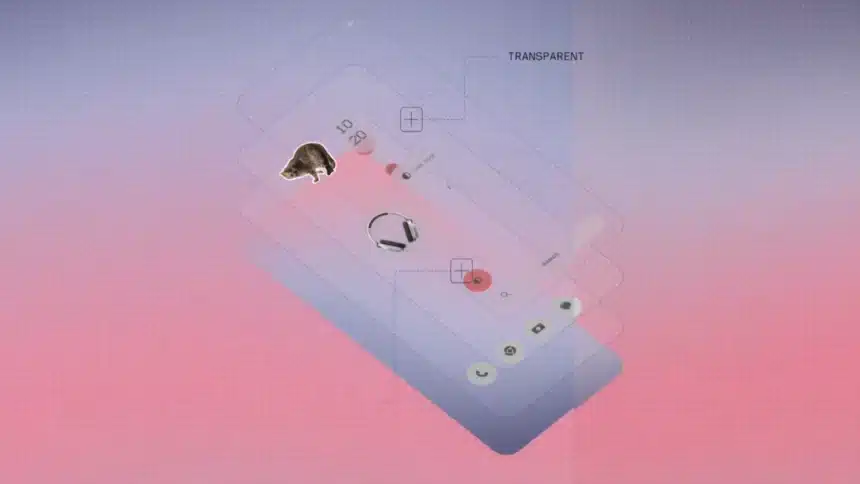
Nothing OS is a custom skin for Android built on top of AOSP, the same open-source base that Samsung, Motorola, and everyone else uses. Not giving in is what makes it unique. While Samsung keeps adding features and Google focuses on AI, Nothing focuses on a simple, visually unique experience that feels like a choice rather than a factory default.
The Nothing Phone comes with Nothing OS 4.0, which runs on Android 16 (3). The updates have always come at the right time.
What Makes Nothing OS Different: The Features That Actually Matter
The Glyph Interface
The most noticeable and talked-about part of Nothing phones is the Glyph Interface, which is a set of LED lights built into the back of the phone. In the sense that most phone companies use the word, it’s not a gimmick. The Glyph system really does work as a notification system. It lights up in different ways for different apps, the lights fill up like a progress bar while your phone is charging or a hotspot, and you can even turn the phone over and still see who is calling at a glance.
Nothing has given developers access to the Glyph system so that apps can make their own lighting patterns. The company added Glyph Timer and more features to Glyph Compositions in Nothing OS 3.0, which let users set unique light animations for each contact. It sounds like a small thing until you use it. Then you realize that the phone has a personality that most other devices don’t have at all.
Essential Space
Essential Space is a special place on the phone for recording quick thoughts, voice memos, links, and media. It was added in Nothing OS 2.5 and made a lot better in 3.0. It’s kind of like a place where you can dump things without any problems that is not part of your normal app ecosystem. It’s pulled up, something is dropped in, and then you move on. It’s kind of like the idea of a universal inbox, and it works because Nothing has purposely kept it simple instead of trying to make it the center of a full productivity suite.
A Clean, Fast Base
Nothing OS doesn’t come with carrier bloat, third-party apps that are forced on you, or an aggressive suggestion layer that tells you to try services you didn’t ask for. The app drawer is clean. The settings menu is navigable. No changes were made to the original sentence.
Nothing OS 3.0 added a library of black-and-white widgets, made it easier to customize the lock screen, and changed the look of the Always On Display. Nothing OS 4.0, which was built on Android 16, improved the way AI worked while keeping the visual language the same. The news comes through on time and without any problems.
The Visual Language
A lot of Nothing’s design language comes from industrial design from the early 2000s, especially the exposed-mechanism style of early Apple and Braun hardware. The typeface is unique. The icon set is custom. The home screen doesn’t feel like a default setting; it feels like someone thought about it. It is clearly meant to be beautiful, even if you don’t like it, which doesn’t happen very often in Android.
Why Android Users Are Done With Samsung
Samsung still sells more Android phones than any other company in the world. In the world of smartphones, it also causes some of the most reliable, low-level anger. If you talk to people who have stopped using Samsung in the last two years, you will hear the same complaints over and over again.
- One UI bloat: Samsung phones come with a huge number of apps already installed, and many can’t be fully removed. Along with Google’s own set of similar apps, Samsung Pay, Samsung Health, Samsung Notes, Bixby, and a bunch of other similar tools are available. People who use Samsung say that system updates often undo attempts to turn off Bixby, the company’s voice assistant. People have said over and over on Reddit’s r/Android and r/samsung forums that they thought they turned something off, but after a software update, they found it running in the background again.
- Aggressive ads in the OS: Samsung has put ads on the lock screen, in the Quick Share panel, and in the weather widget in some areas. Not one of these features requires permission. Samsung’s own apps send promotional alerts to users right out of the box. People who paid a lot of money for a flagship Galaxy device are really surprised to find ads in the operating system. This shouldn’t be a surprise in 2026.
- Update problems: Samsung has promised that the OS on its top-of-the-line Galaxy S series will be updated for seven years. In practice, the rollout of updates has been uneven across regions, and Galaxy devices in the middle price range still get shorter software support windows. It’s true that they promise seven years, but only for the best models.
- Performance over time: Even though Samsung’s Galaxy phones have good hardware, their performance has historically dropped more over time than Pixels or iPhones. The phone feels very different now than it did at launch, thanks to heavy software overhead and strict background process management.
None of these problems is terrible. Some Samsung users don’t even notice them because they think it’s the price they pay for a phone with the best cameras and the best ecosystem integration. But for more Android users, especially those who used easier software in the past, that’s enough to make them look elsewhere.
Why Even Pixel Fans Are Taking a Second Look
Google’s Pixel phones are the most pure version of Android that most people can get. They have clean software, quick updates, powerful camera processing, and direct access to Google’s AI features. Pixel was the best choice for years for people who wanted Android without all the Samsung stuff. It’s getting a little harder to follow that advice.
- Gaps in regional availability: Pixel phones are still not officially sold in a lot of places. In the past, Pixel users in India, Southeast Asia, and some parts of Latin America had to import their phones, which meant they lost their warranty coverage and had to pay extra for import duties. Nothing has aggressively grown its retail presence, and now it has stores in India, Europe, and Asia. Nothing is just easier to buy and support for people in those areas.
- Compared to the Pixel 11 Pro: 20.5% of people who answered a reader poll by Android Authority that asked if the Nothing Phone (3) was a good alternative to the Pixel 11 Pro said yes. That’s not a majority, but it’s a big number for a brand that’s still pretty new, and it shows how the conversation about Pixel’s dominance in the clean-Android space has changed.
- Price-to-value friction: The prices of Pixel flagships have steadily gone up. The Pixel 9 Pro came out with prices that put it firmly in the premium category, and the Pixel 11 lineup kept up that trend. Nothing sells phones below that price range that offer a similar software experience for people who care more about daily usability than computational photography.
- AI feature fatigue: Google has put a lot of Gemini into Pixel. The camera, the phone app, and the assistant layer all have AI features built in. For some users, this is the best thing about Pixel. Some people see it as the exact kind of complicated software they want to avoid. Nothing’s AI integration in OS 4.0 exists, but it is more restrained, and that restraint is itself a selling point to a certain kind of user.
To be clear, Pixel is still the better option for a lot of people, especially those who care about camera quality, Google Assistant integration, and scheduled update times. But the difference between Pixel and its competitors has shrunk, which is good for Nothing.
What Real Users Are Actually Saying
When it comes to Nothing OS’s appeal, spec sheets and press releases are not the best places to look. It comes from reviewers, Reddit threads, and people who have switched and written long pieces about it.
On Reddit’s r/Android, threads about switching from Galaxy phones to Nothing phones always get replies from people who did the same thing. It’s not that Nothing’s hardware is better than Samsung’s. It’s the way the software makes you feel differently in ways that matter every day. People say that when they turned on their phones, they didn’t see a notification from a Samsung app they didn’t ask to install. They talk about a settings menu that they can actually use. One comment that is often used to explain it clearly: users didn’t know how much mental work One UI added until it was gone.
During a Reddit AMA, Carl Pei talked to users directly and answered questions about when software updates will be released, the Glyph Interface roadmap, and availability in different regions. People said in the comment threads that they trusted the brand because of how directly they interacted with it. When was the last time an official from Google or Samsung did an open and honest AMA on Reddit and answered all the tough questions? That visibility is important for many users.
Over the past year, the most popular feature requests on Nothing’s community forum have always been for software improvements rather than new hardware features. These have included better notification management, more features for Essential Space, and more precise Glyph controls. The group of people who have come together around Nothing OS are interested, knowledgeable, and skilled with software. It’s not a mistake. It shows who the product is meant for.
Tech reviewers have been to the same places. The clean and snappy OS experience is often cited as a main reason to buy the Nothing Phone (3) in GSMArena user reviews. Nothing OS, according to Android Authority, feels more thought out than most Android skins. Not everyone agrees that Nothing OS is perfect. It’s refreshingly purposeful in a time when most Android phones feel like they’re designed with the company’s goals in mind instead of the user’s.
The Honest Drawbacks: What Nothing OS Still Gets Wrong
Nothing OS is not for everyone, and the people who are most enthusiastic about it tend to be honest about its limitations. A fair assessment requires sitting with those limitations rather than burying them.
- Nothing’s cameras don’t match Samsung or Pixel at the same price. The Nothing Phone takes good pictures in good light and okay pictures in bad light. It doesn’t take decent pictures when the light is bad. This is a big loss for people who use the camera as their main smartphone feature.
- Samsung sells fewer cases, accessories, and wearables that work with its phones than any other company. It’s not hard to find a good case for a Nothing Phone, but you have to do more research than you would for a Galaxy S-series device.
- Statements about updates for software are being checked. So far, nothing has said that they will update the OS every three years and fix security holes every four years. That promise is new, and Nothing, as a business, hasn’t been around long enough to prove it over the full lifecycle of a device. When people think about getting a Nothing phone, they are putting their trust in a company that is still proving itself, not one that has been delivering for ten years.
- Nothing’s service network is growing, but not evenly. When the brand is newer, it can take longer and be harder to get a device fixed through official channels than with a Samsung or Pixel device. This could matter a lot depending on where you live.
None of these drawbacks are disqualifying for the right user. But they are worth naming clearly rather than glossing over in the enthusiasm for a refreshing software experience.
So, Should You Switch?
Nothing OS has a cult following for good reasons. The software is fast, clean, and makes sense. The Glyph Interface is a truly original concept that has grown into a useful tool. You can get in touch with the company behind it in a way that Samsung and Google just can’t. Most Android companies are racing to add features that help shareholders more than users. Nothing, on the other hand, makes a quieter case: the best phone software might be the kind that doesn’t get in the way.
For a certain type of user, that argument hits hard. If you spend a lot of time customizing your Android phone to get rid of features you didn’t want, if you’ve ever turned off Bixby only to find it back a week later, or if you’ve ever been annoyed by an operating system that seems to be working for someone else, you should really think about Nothing OS.
You shouldn’t do this if your camera app is the one you use the most and you want the best picture quality all the time. If you use a lot of Samsung or Google hardware, this isn’t the best option because switching will cost you a lot. If you need a phone fixed next week by an authorized repair center in your city, this is not the best option.
In 2026, Nothing OS is the best option for Android users who want a phone with a point of view made by people who seem to really care about software, and that costs less than the flagship model. A sentence like that would not have made sense three years ago. The fact that it does not make sense now shows how far Nothing has come.