



For years, wearables have tracked the body’s oxygen levels, heart rate, sleep, and steps. The next frontier is the brain. At CES 2026, Samsung confirmed that it is working on its Galaxy Ring and Galaxy Watch to detect early signs of cognitive decline, such as dementia. This was one of the most important health announcements in wearable technology history. This shift makes these gadgets less like fitness accessories and more like health tools.
What Did Samsung Actually Announce
Praveen Raja, Vice President and Head of Digital Health at Samsung, said at CES 2026 that the company is developing a new set of AI-powered tools to track users’ cognitive function and spot early signs of dementia. Samsung says its new AI-based Brain Health features will pick up small changes in speech, activity, and movement that happen before a person’s mental abilities start to decline.
Devices like the Galaxy Watch and Galaxy Ring will look for things like slurred speech when using Bixby, slower movement, or changes in how people use other home devices, according to Samsung. These signs and symptoms aren’t too bad. These are the kinds of small, gradual changes a person might not notice on their own and that a regular yearly checkup would almost certainly miss.
Using sensors in the Galaxy Ring and Galaxy Watch, this feature aims to detect digital signs of cognitive decline, like Alzheimer’s and dementia, up to ten years before physical symptoms appear. That date is what really makes this announcement important.
How the Technology Works
The Brain Health feature isn’t based on just one sensor or number. Over time, it builds a baseline for your behavior and alerts you when it changes.
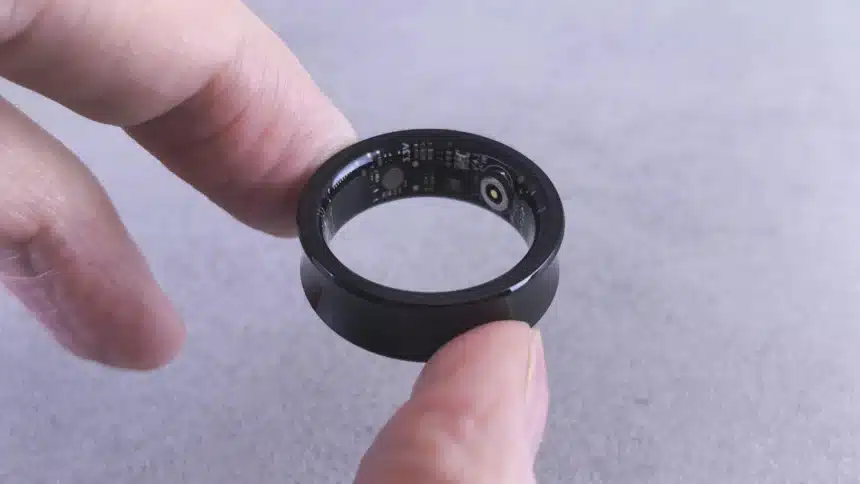
The tracking tools use hardware that is already out there, like the accelerometer in the Galaxy Watch and the motion sensors in the Ring. The goal is to point out changes that often happen before cognitive decline shows up in the real world.
Samsung says the Galaxy Ring and Watch can pick up small changes in movement, speech, and activity that could signal long-term changes in the brain. Samsung says that when people use the company’s Bixby assistant, the devices can pick up things like slurred speech.
The picture that comes together is one of passive, ongoing surveillance that is part of everyday life. There is no test for you. There is only a ring on your finger, quietly learning what normal looks like for you and then looking for signs that something has changed.
Privacy and Data Handling
Any feature that tracks changes in behavior and speech patterns immediately brings up the question of where does the data go.
With Samsung Knox, any private health data will be kept on-site instead of in the cloud. Through the Samsung Knox Vault, the device processes all sensitive neurological data locally. This keeps personal brain health metrics from being sent to the cloud.
Samsung wants to connect the Brain Health metrics to the Xealth platform it recently bought. That could mean it’s as simple as pressing a button to share your information with your doctor. This could enable cognitive health consultations from afar. By default, the data stays on the device. However, users can access a doctor if they choose to.
What This Actually Means
The effects are felt in more than one way at the same time.
Time is the most important promise for people and families. Even though dementia can’t be cured, getting help early can slow its progress, help with planning, and give you access to treatment options that you wouldn’t have if the disease had already spread a lot. A wearable that finds warning signs years before a doctor makes a diagnosis could change outcomes in a way that no medicine can right now.
Samsung wants to use the same sensor fusion in Brain Health to find other conditions, like Parkinson’s or depression. If the cognitive monitoring framework works as intended, it’s not a one-size-fits-all answer. It is a platform.
For the healthcare system as a whole, this means a move away from reactive care and toward preventive care. Through Samsung’s Xealth integration, doctors could receive data from wearables. This could make regular cognitive monitoring a standard part of primary care, rather than something that happens only when a patient or family member raises a concern.
The Honest Caveat
Samsung made it clear that the new cognitive health features are not meant to diagnose dementia or any other illness. Regulators find dementia harder to define, and they need proof from clinical trials. Samsung says that these features will be released in beta in some markets, but it hasn’t said which ones will be the first or given a firm release date other than “soon.”
The technology looks good. The science still needs to catch up. But for a device most people wear every day, passive data could become early warnings that save lives. The Galaxy Ring will become more than just a health tracker if Samsung keeps even a small part of what it promised at CES. It will become an early warning system for the brain.