




Mobile ads have become one of the biggest frustrations for smartphone users in the entire world, including countries like the United States, the UK, France, Germany, Australia, Singapore and Brazil. Whether you’re trying to read a news article, watch a video, or compare products online, pop-ups, autoplay videos, tracking scripts, and banner ads can quickly ruin the experience. Beyond annoyance, excessive advertising can slow page loading times, increase mobile data usage, and even affect battery life.
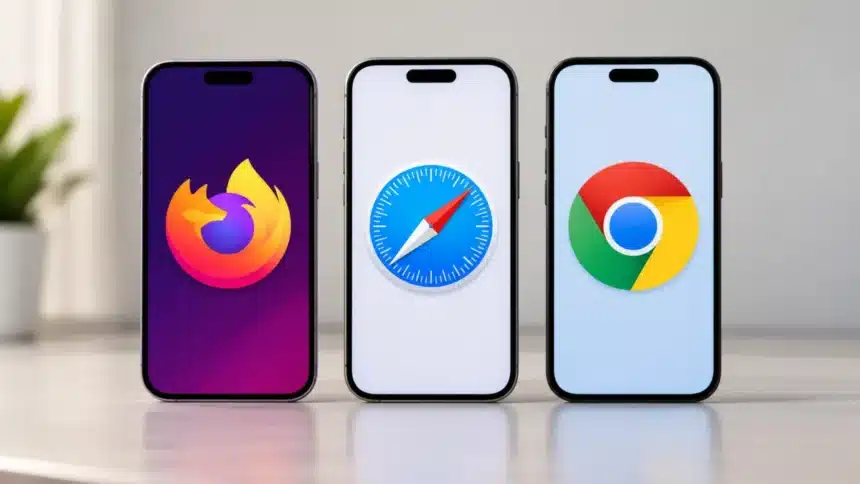
For years, Google Chrome and Apple Safari have dominated the smartphone browser market. Yet many users are now turning to Firefox Mobile because of its growing reputation for privacy and stronger control over online tracking. The big question is simple: which browser actually does the best job of stopping mobile ads?
- Why Mobile Ad Blocking Matters
- Firefox Mobile at a Glance
- Safari’s Approach to Ads and Tracking
- Chrome Mobile’s Advertising Strategy
- Side-by-Side Comparison
- Which Browser Blocks Ads Most Effectively?
- Firefox Mobile Wins for Advanced Users
- Safari Excels for iPhone Users
- Chrome Prioritizes Compatibility
- Performance Impact of Ad Blocking
- Which Browser Is Best for Privacy?
- Best Browser by User Type
- Final Verdict
Let’s compare Firefox Mobile, Safari, and Chrome across the areas that matter most to everyday smartphone users.
Why Mobile Ad Blocking Matters
Before diving into the comparison, it’s important to understand why ad blocking has become so popular.
Many ads today do more than just display products. They often:
- Track browsing behavior across websites
- Collect personal data for advertising purposes
- Slow down page loading speeds
- Consume additional mobile data
- Increase battery consumption
- Create cluttered and distracting browsing experiences
For privacy-conscious users, reducing ad exposure is no longer just about convenience. It is also about controlling how much information advertisers can collect.
Firefox Mobile at a Glance
Firefox Mobile has positioned itself as a privacy-focused browser. Developed by Mozilla, which is backed by a non-profit foundation, Firefox offers several built-in features designed to reduce tracking and unwanted content.
Key features include:
- Enhanced Tracking Protection
- Third-party tracker blocking
- Fingerprinting protection
- Cross-site cookie blocking
- Extension support on Android
- Strong privacy controls
One major advantage is that Firefox for Android supports a variety of browser extensions, including popular ad blockers such as uBlock Origin. This significantly increases its ad-blocking capabilities compared to most mobile browsers.
Safari’s Approach to Ads and Tracking
Safari comes pre-installed on iPhones and is deeply integrated into Apple’s ecosystem. Apple has spent years positioning Safari as a privacy-focused browser.
Safari includes:
- Intelligent Tracking Prevention
- Cross-site tracker blocking
- Privacy reports
- Fingerprinting defenses
- Protection against known trackers
However, Safari does not include a built-in comprehensive ad blocker. Instead, users typically rely on third-party content-blocking apps available through the App Store.
For iPhone users who install a quality content blocker, Safari can become extremely effective at reducing advertisements. Out of the box, though, it focuses more on limiting tracking than eliminating all ads. (Apple Support)
Chrome Mobile’s Advertising Strategy
Chrome remains the most widely used mobile browser in the United States. Its strengths include speed, synchronization with Google accounts, and broad website compatibility.
When it comes to ads, however, Chrome takes a different approach.
Chrome includes:
- Safe Browsing protection
- Limited ad filtering for intrusive ads
- Google account integration
- Automatic security updates
Chrome’s built-in filtering primarily targets ads that violate Google’s Better Ads Standards. This means highly disruptive advertisements may be blocked, but most standard advertising content remains visible. (Google Chrome Help)
For users seeking aggressive ad blocking, Chrome’s mobile version offers fewer options than Firefox and Safari.
Side-by-Side Comparison
| Feature | Firefox Mobile | Safari | Chrome Mobile |
| Built-in Tracker Blocking | Excellent | Excellent | Good |
| Built-in Ad Blocking | Moderate | Limited | Basic |
| Extension Support | Yes (Android) | Yes (iOS content blockers) | Limited |
| Privacy Controls | Excellent | Excellent | Good |
| Cross-Site Tracking Protection | Strong | Strong | Moderate |
| Customization Options | Extensive | Limited | Moderate |
| Default User Privacy | High | High | Moderate |
Which Browser Blocks Ads Most Effectively?
The answer depends on how aggressively you want ads blocked.
Firefox Mobile Wins for Advanced Users
Firefox Mobile delivers the strongest ad-blocking experience when paired with extensions such as uBlock Origin on Android devices.
Benefits include:
- Blocks banner ads
- Removes pop-ups
- Stops some video advertisements
- Reduces tracking scripts
- Can speed up page loading
For users who want maximum control and customization, Firefox stands out as the leader.
Safari Excels for iPhone Users
Safari provides excellent privacy protection and respectable ad blocking when combined with a trusted content blocker.
Advantages include:
- Smooth integration with iOS
- Strong privacy protections
- Low battery consumption
- Fast performance on Apple devices
For users who prefer simplicity and remain within Apple’s ecosystem, Safari offers a balanced solution.
Chrome Prioritizes Compatibility
Chrome focuses more on website functionality and ecosystem integration than aggressive ad blocking.
Strengths include:
- Excellent website compatibility
- Easy synchronization across devices
- Familiar user interface
- Strong security protections
However, users looking to eliminate most mobile ads may find Chrome less effective than Firefox or Safari.
Performance Impact of Ad Blocking
Ad blocking does more than improve browsing comfort. It can also improve device performance.
Faster Loading Times
When ads and tracking scripts are blocked, websites can load faster because fewer resources need to be downloaded.
Reduced Data Usage
Mobile users with limited data plans can benefit from blocking advertisement content, especially video ads.
Improved Battery Life
Advertising networks can consume processing power and other device resources. Blocking some ads and trackers may reduce battery consumption, although the effect varies by website and device.
Better Privacy
Blocking advertising trackers helps reduce the amount of data shared with marketing companies and third-party networks.
Which Browser Is Best for Privacy?
Privacy is closely connected to ad blocking because many ads rely on user tracking.
Firefox Privacy Strengths
- Open-source development
- Strong anti-tracking tools
- Extensive customization
- Fewer ties to advertising networks
Safari Privacy Strengths
- Intelligent Tracking Prevention
- Privacy reports
- iOS privacy controls
- Strong protection for Apple users
Chrome Privacy Strengths
- Strong security infrastructure
- Safe Browsing technology
- Frequent security updates
While Chrome remains secure, Firefox and Safari generally provide stronger privacy-focused protections for users concerned about tracking.
Best Browser by User Type
| User Type | Recommended Browser |
| Android user seeking maximum ad blocking | Firefox Mobile |
| Privacy-focused user | Firefox Mobile |
| iPhone user wanting simplicity | Safari |
| Apple ecosystem user | Safari |
| Google ecosystem user | Chrome |
| User prioritizing compatibility | Chrome |
| Power user who wants customization | Firefox Mobile |
Final Verdict
If stopping mobile ads is your top priority, Firefox Mobile is the clear winner, especially on Android devices where extension support allows powerful tools like ad blockers to run directly within the browser. Its combination of tracker blocking, customization options, and privacy features gives users the most comprehensive control over their browsing experience.
Safari comes in second place and is the strongest option for iPhone users. While it does not aggressively block ads by default, its privacy protections and compatibility with content-blocking apps make it a highly effective choice.
Chrome remains a reliable and fast browser, but its approach focuses more on filtering only the most intrusive advertisements rather than eliminating ads altogether. Users heavily invested in Google’s ecosystem may still prefer Chrome, but those seeking the cleanest, least cluttered browsing experience will likely find Firefox or Safari more satisfying.
For Americans tired of invasive mobile advertising, Firefox Mobile currently offers a strong balance of ad blocking, privacy protection, and user control.