

Smartphone features that can help keep you safe. They have Emergency SOS to call the police or family without unlocking the phone. Medical ID shows your blood type and allergies in case of emergencies. Some phones can detect car crashes or if you fall. You can share your location, use satellite connectivity on iPhones, and set safety check timers to alert someone if you don’t respond. It’s smart to set these up before you need them.
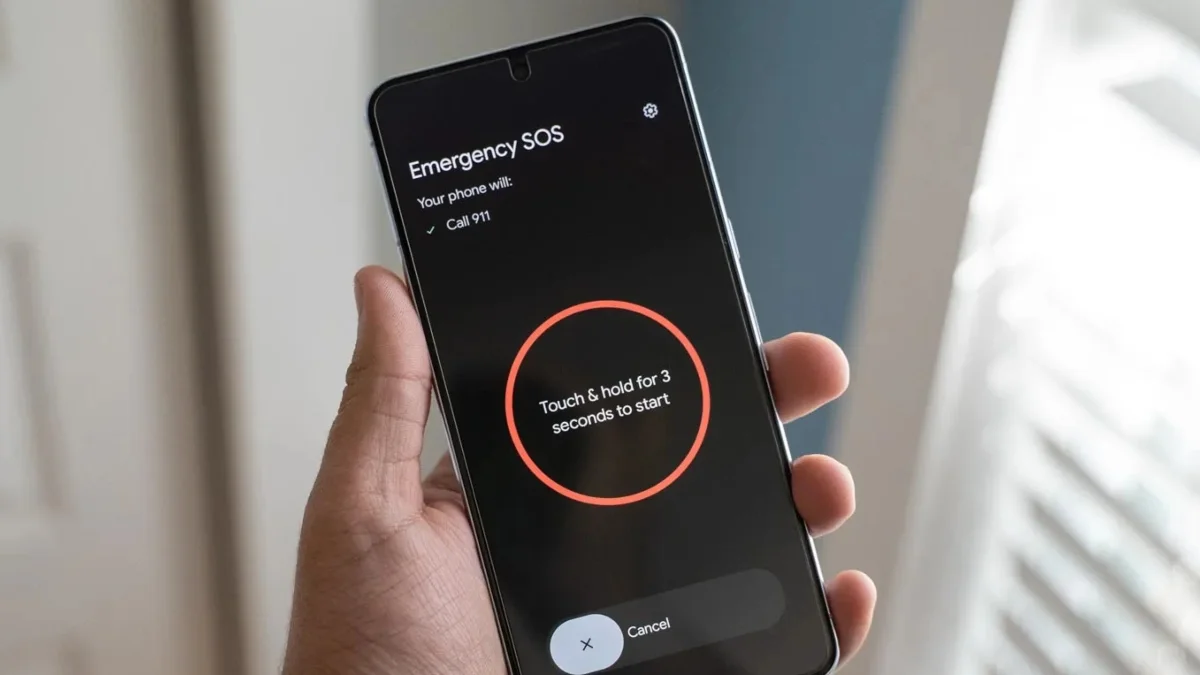
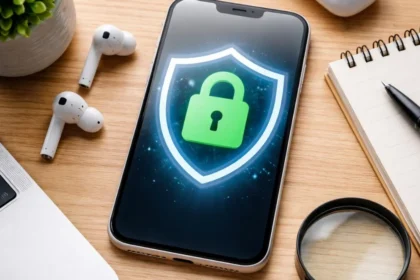
Emergency SOS is a safety feature on iPhone and Android phones that helps you get help quickly in an emergency. You can turn it on by quickly pressing the power button several times. The phone will call emergency services like 911, send your live location to your chosen emergency contacts, and, on some phones, record audio or video. It works even if the phone is locked, so it is very useful in real emergencies.
- Smartphone Features: SOS Help in One Button Press
- Medical ID on Phone: Help in an Emergency Without Unlocked
- Smartphone Features: Crash and Fall Detection Help
- Emergency Location Sharing for Safety and Tracking Help
- Offline Maps Help You Navigate Without Internet Signal
- Texting Emergency Services When You Cannot Speak Safely
Medical ID on Phone: Help in an Emergency Without Unlocked
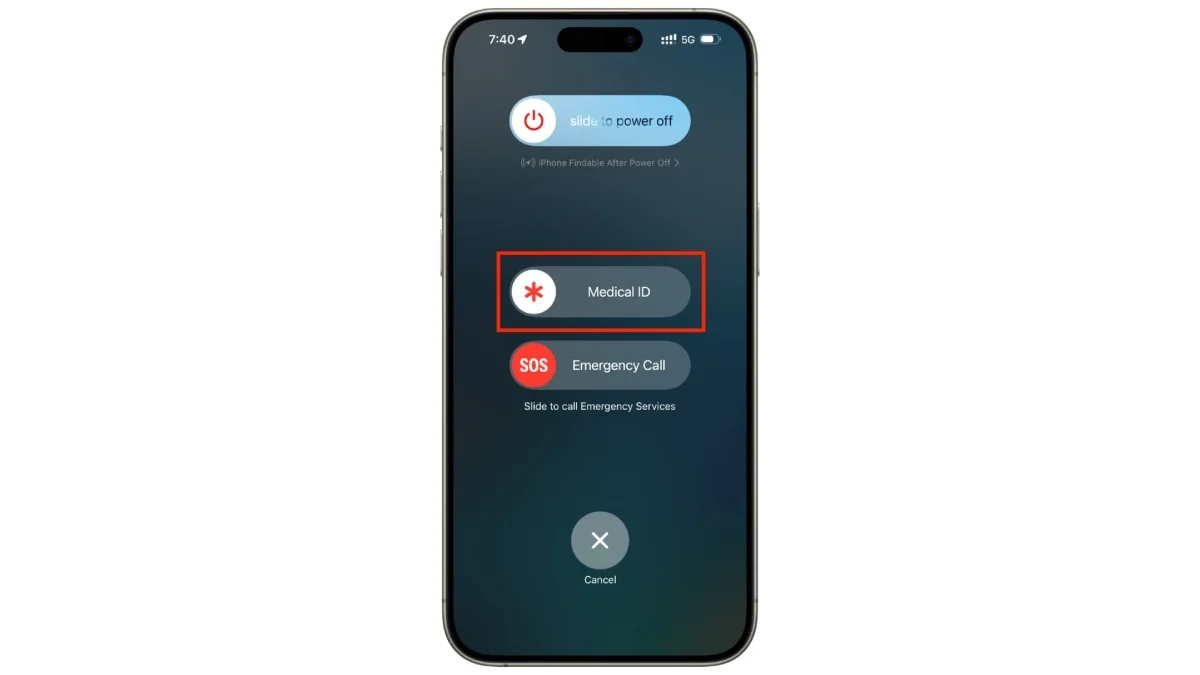
Medical ID, also called ICE, which means In Case of Emergency, is a phone feature that stores your important health details. You can add your blood type, allergies, medicines, and emergency contacts. This information shows on your lock screen, so doctors or helpers can see it without unlocking your phone. It saves time in serious situations and helps first responders give the right treatment quickly when you cannot speak or respond.
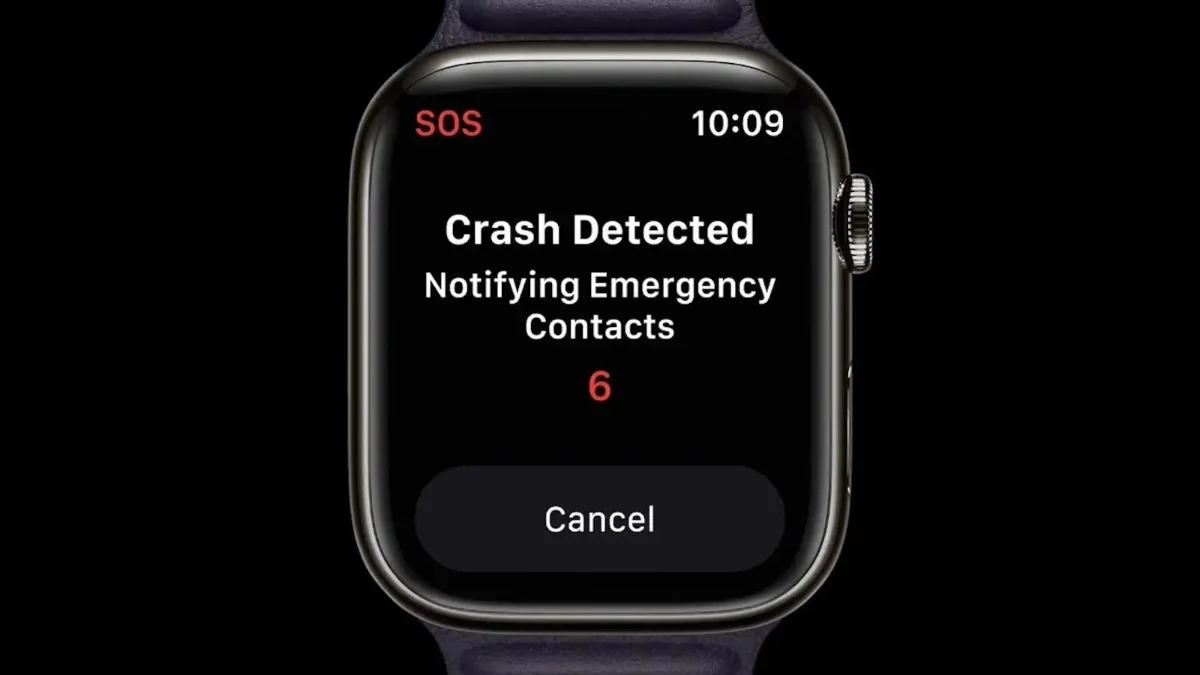
Crash and fall detection is a smart safety feature in modern smartphones and smartwatches. Special sensors inside the device can detect a hard car crash or a serious fall by checking sudden movement and impact. If you do not move or respond after it happens, the device can automatically call emergency services and send your location. This helps people get quick medical help, even if they are unconscious or unable to use their phone.
Emergency Location Sharing for Safety and Tracking Help
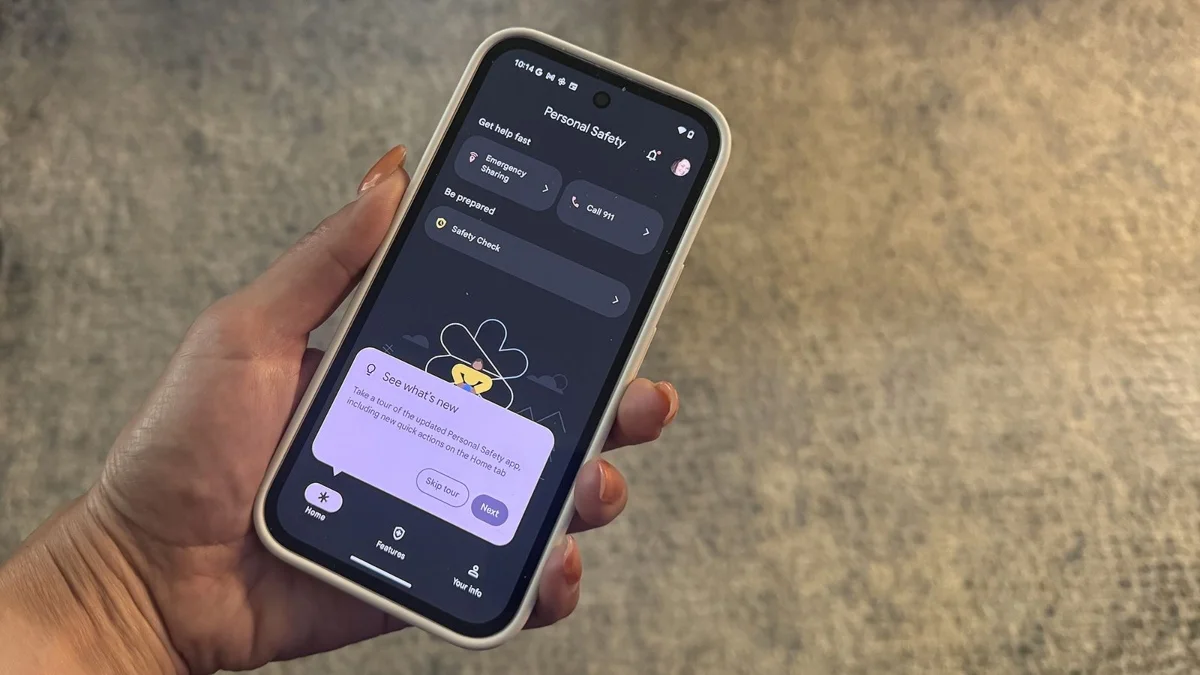
Emergency location sharing is a safety feature on smartphones that lets you share your live location with trusted contacts. When you turn it on, your phone keeps sending real-time location updates until you switch it off. This is helpful if you feel unsafe, are traveling alone, or get lost. Your family or friends can track where you are and reach you faster. It gives extra safety during risky or unknown situations.
Offline Maps Help You Navigate Without Internet Signal
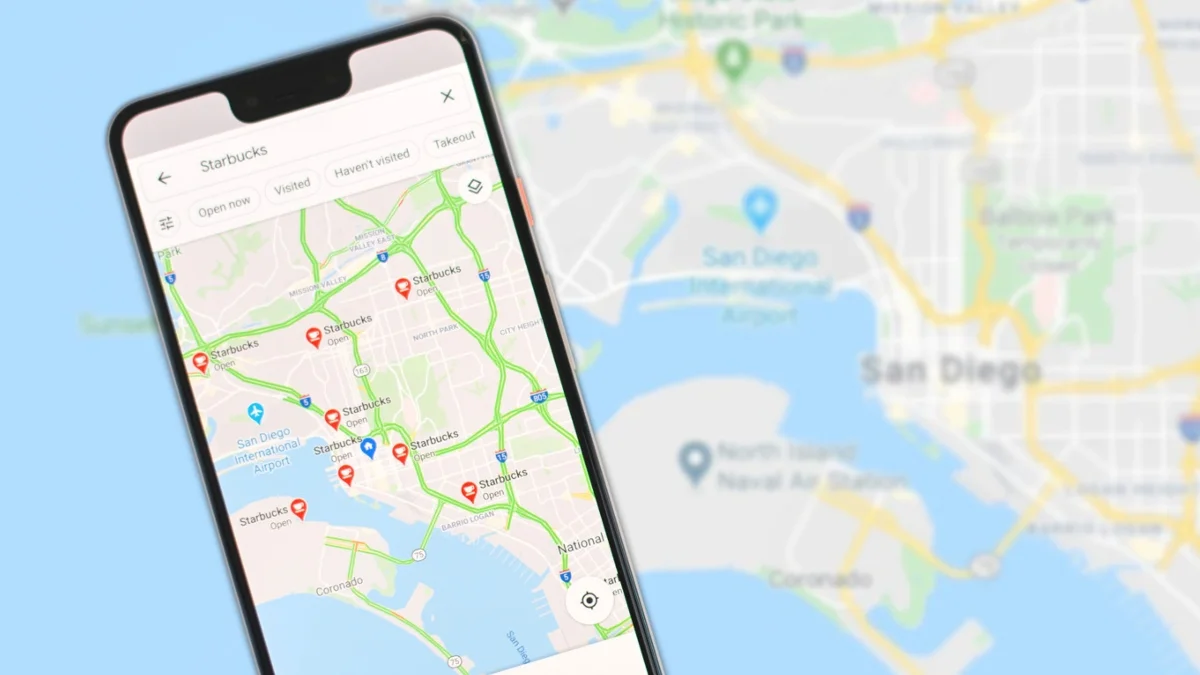
Offline maps and location services let you download maps before you travel so they work without mobile data or network signal. Apps like Google Maps allow you to save a city or area to your phone. Later, you can open the map and get directions even when there is no internet. This is very useful during travel, emergencies, or in low network places, helping you find safe routes and important locations.
Texting Emergency Services When You Cannot Speak Safely
Text to emergency services is a feature that lets you send a text message instead of making a call for help. It is useful when you cannot speak, like during danger, very loud noise, or if you have a hearing problem. In many areas, you can text 911 or your local emergency number. You can share your problem and location by message, and police or medical help can be sent quickly.
ALSO READ: Telegram Faces More Curbs In Russia: All You Need To Know