

Understand the difference between optical zoom and digital zoom
While taking photos from your smartphone, when you need to capture a subject by zooming it, there is always confusion whether optical zoom is better or digital zoom. Today’s camera phones have both options, but the working process of both and their impact on image quality is completely different.
If you want to make maximum use of your phone’s zoom without compromising the quality of the photo, you must first understand what is the real difference between optical zoom and digital zoom and how each one works.
- Understand the difference between optical zoom and digital zoom
- What is optical zoom and how does it work?
- What is digital zoom and how does it affect image quality?
- Optical Zoom vs Digital Zoom: Actual Comparison of Both in Smartphone Cameras
- Smartphone photography tips: When to use optical zoom and when to use digital zoom?
- Which zoom smartphone is better for image quality in photography?
What is optical zoom and how does it work?
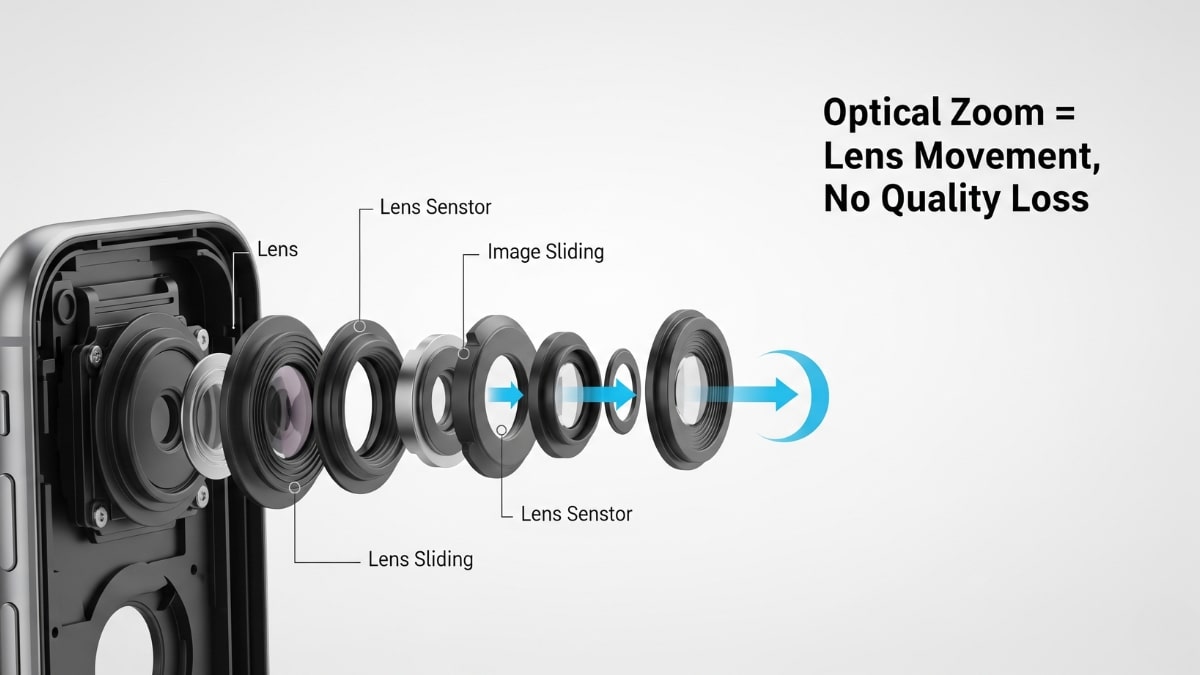
When the lens of the camera physically moves and zooms the subject without cropping, then that process is called optical zoom. In this, the optical elements inside the lens change their position due to which the size of the image naturally increases, but the quality does not degrade at all.
Just like in DSLR or mirrorless cameras, when you rotate the lens and take it closer to the subject, then the same process of optical zoom occurs.
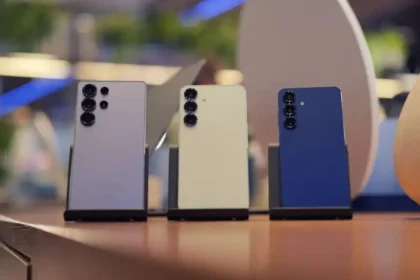
Nowadays different lenses are also available in smartphones like wide-angle, telephoto or periscope lens. But these lenses are fixed, and when you select the zoom option, the phone automatically activates a different lens with a longer focal length.
For example, if a phone has an 85mm lens, it is usually referred to as 5x zoom because it magnifies 5 times more than the standard lens. But still, since it is a fixed lens, the zooming range is limited.
What is digital zoom and how does it affect image quality?
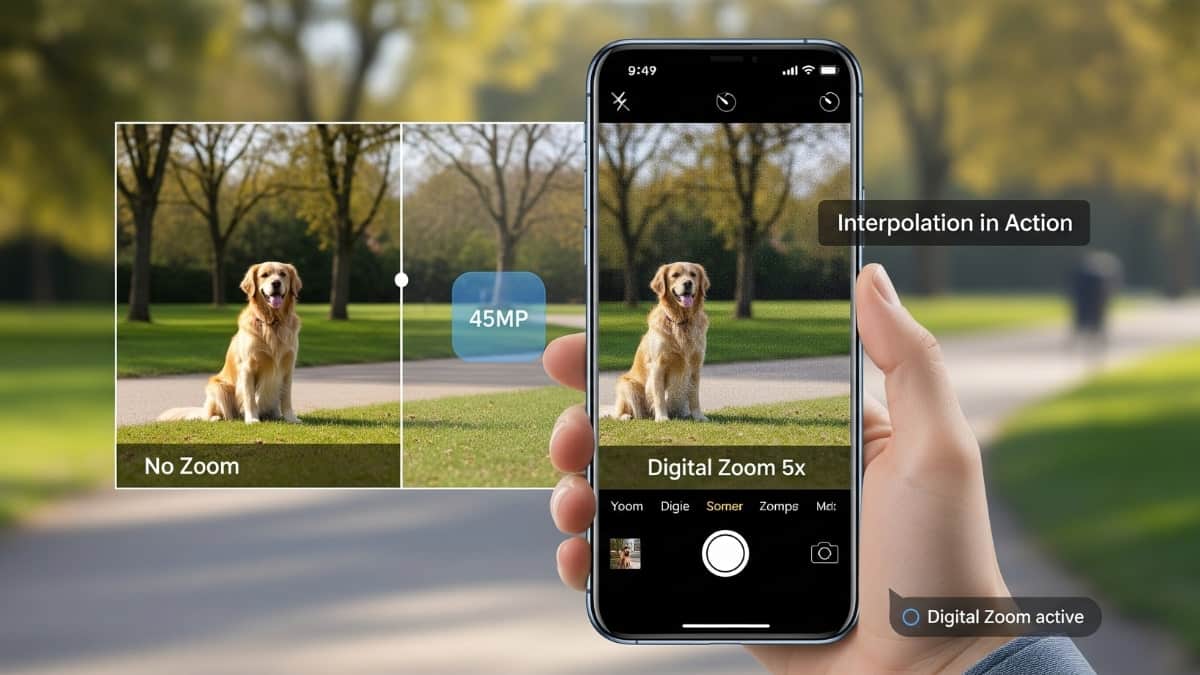
Now let’s talk about digital zoom, whose concept is a little different. When you zoom by pinching on the phone screen or using the slider, the lens actually does not move. Instead the image is cropped and enlarged.
In this method, the camera artificially zooms the cropped part of the photo with the help of software, in which interpolation technique is used. Meaning the camera itself creates pixels due to which the photo appears bigger, but the clarity and sharpness is not that much.
For this reason, noise can come in the image on using digital zoom, and details get blurred.
But if your phone has a high resolution camera like 45MP or more, then even using a little digital zoom does not make much difference in the image quality.
In top phones like Pixel 9 Pro, iPhone 16 Pro Max or Samsung Galaxy S25 Ultra, you get cameras ranging from 48MP to 200MP, in which digital zoom becomes a little manageable.
ALSO READ: LCD vs OLED vs AMOLED: Smartphone Display Technologies Compared
Optical Zoom vs Digital Zoom: Actual Comparison of Both in Smartphone Cameras
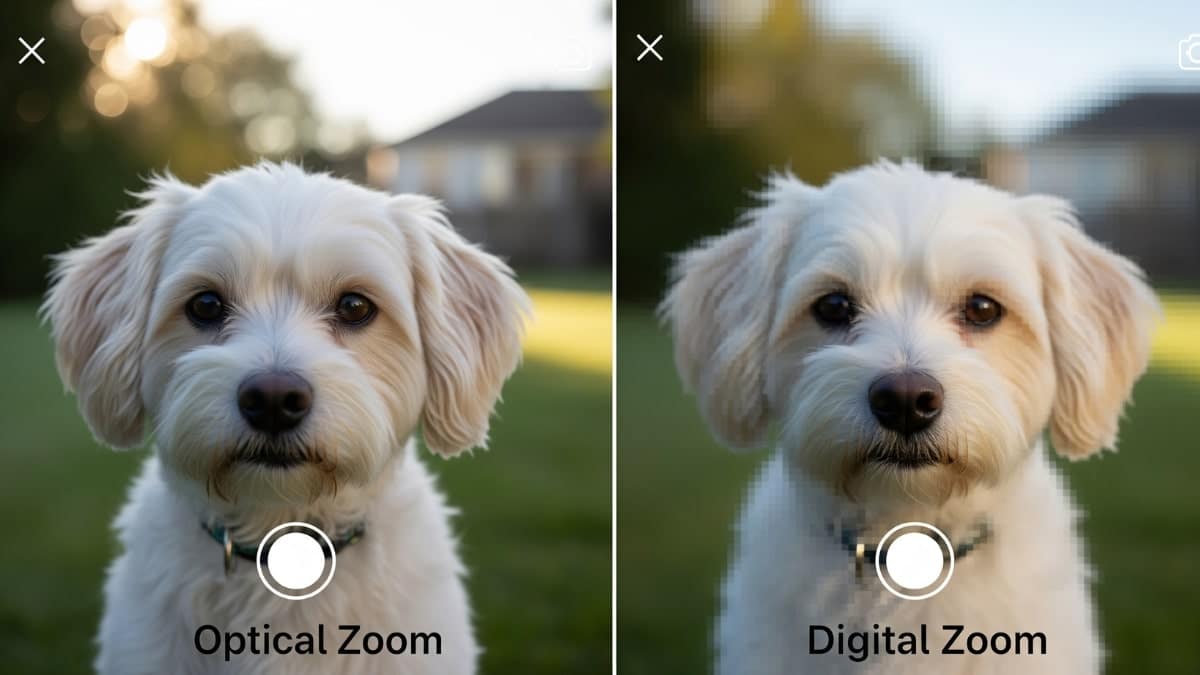
Both types of zoom are being provided in today’s modern smartphones. Optical zoom is considered to be the best in terms of clarity and sharpness because the image is zoomed through a physical process. Whereas in digital zoom the photo is cropped through software, which causes loss of image quality.
In some smartphones like Sony Xperia 1 V, you get a moving optical zoom lens which has the option of zoom range from 3.5x to 5.2x. This is a rare feature but it shows that smartphone photography is also slowly moving towards DSLR features.
Digital zoom comes in handy when you don’t have a zoom lens available or you want to take a quick close-up without switching lenses. But optical zoom is useful when you need clarity and details at professional level.
Smartphone photography tips: When to use optical zoom and when to use digital zoom?
- If you have to take close-up shots of a subject where detail is important, then optical zoom is best
- If you are in low-light or indoor environment, then avoid digital zoom, otherwise noise in the photo can increase
- A little digital zoom can be used in high megapixel camera phones, but avoid extreme zoom
- Phones that do not have multiple zoom lenses, it is best to go physically closer to the subject
- When you are doing outdoor or daylight photography, then the impact of digital zoom is slightly less
Which zoom smartphone is better for image quality in photography?
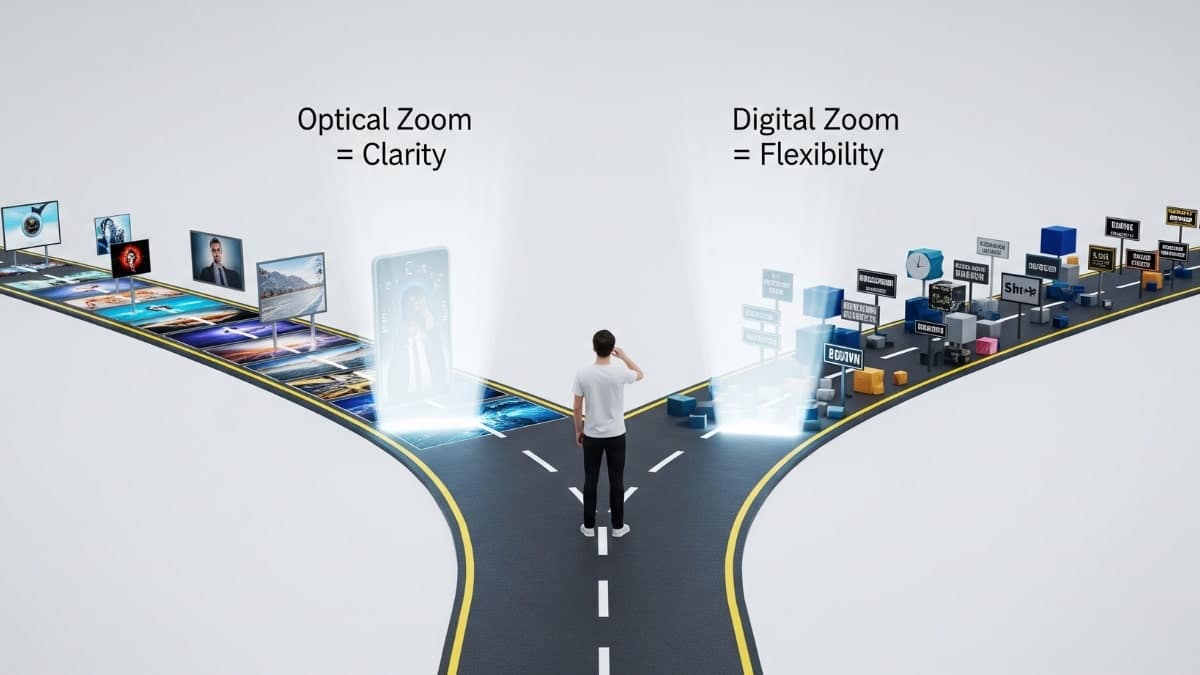
If the final decision is between optical zoom and digital zoom, which is better for smartphone photography. The answer is simple, optical zoom is clearly better when you need high-quality, sharp and clear images.
But optical zoom is not available in every situation, so it is important to seek smart use of digital zoom as well. If you choose zoom options keeping in mind your phone’s camera strengths and limits, you can get the best result in every photo.
ALSO READ: Lightroom Vs Photoshop: Which One Should You Actually Use In 2025?