



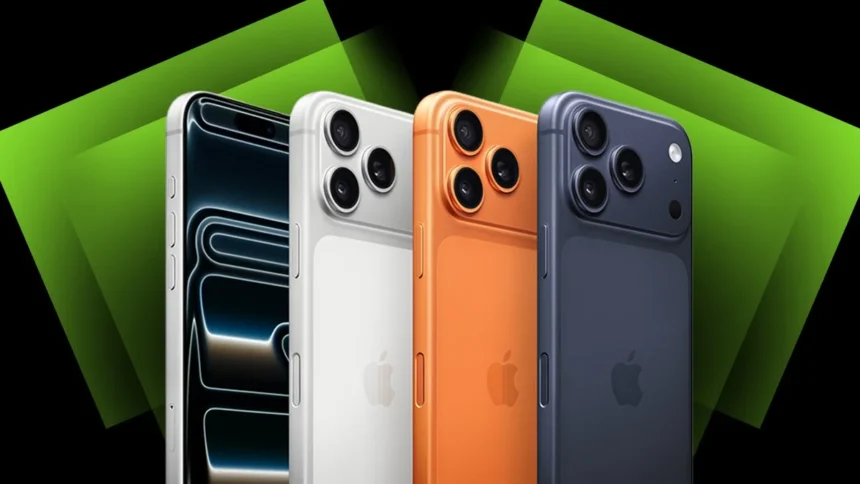
Apple’s iPhone 17 Pro Max secured top battery performance in CNET’s 35-phone comparison published February 4, 2026. The flagship outlasted Android competitors with larger battery capacities, including the OnePlus 15’s 7,300mAh unit.
The results quickly caught attention because the iPhone managed to beat phones with much bigger batteries, showing how strong Apple’s overall optimization has become.
- Strong Results Across Benchmark Tests
- Smaller Batteries Still Deliver Big Performance
- What Makes Apple’s Battery Efficiency Stand Out
- Independent Testing Backs Up The Results
- Apple Focuses On Endurance As A Key Feature
- Apple Maintains Brand-Wide Efficiency Advantage
- Apple’s Strategy Around Battery Technology
- Practical Benefits For Everyday Users
- Why Battery Life Matters More Than Ever
Strong Results Across Benchmark Tests
CNET conducted two benchmark tests across 35 smartphones. In a three-hour video streaming test over Wi-Fi at full screen brightness starting from 100% charge, the iPhone 17 Pro Max lost just 9% battery, tying the Motorola Razr (2024) for the best result ever recorded in that specific test.
The 45-minute mixed-use endurance test, involving gaming, video streaming, social media scrolling, and video calls, saw the device drop only 1% from full charge.
These numbers highlighted how well the device handled both regular entertainment and demanding everyday tasks.
Smaller Batteries Still Deliver Big Performance
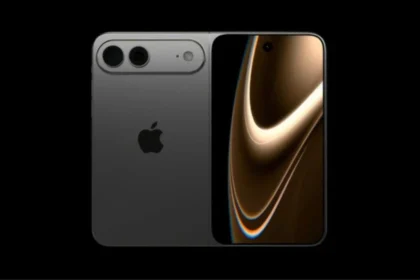
The base iPhone 17 tied for second place with the OnePlus 15 despite having a 3,692mAh battery compared to OnePlus’s 7,300mAh cell. With nearly double the capacity, the OnePlus still couldn’t outperform Apple’s software-hardware optimization, even as rumors suggest Apple’s first foldable iPhone could feature a 5,500 mAh battery.
This comparison shows that battery size alone does not always determine real-world performance.
What Makes Apple’s Battery Efficiency Stand Out
Apple’s efficiency stems from multiple technical improvements. The A19 Pro chip delivers better power management than the A18 series, while iOS 26 introduces aggressive background app throttling and adaptive refresh rates.
A vapor chamber cooling system enhances thermal controls, and the LTPO OLED display dynamically adjusts refresh rates during static content.
Together, these upgrades help the phone conserve power without sacrificing performance or smooth visuals.
Independent Testing Backs Up The Results
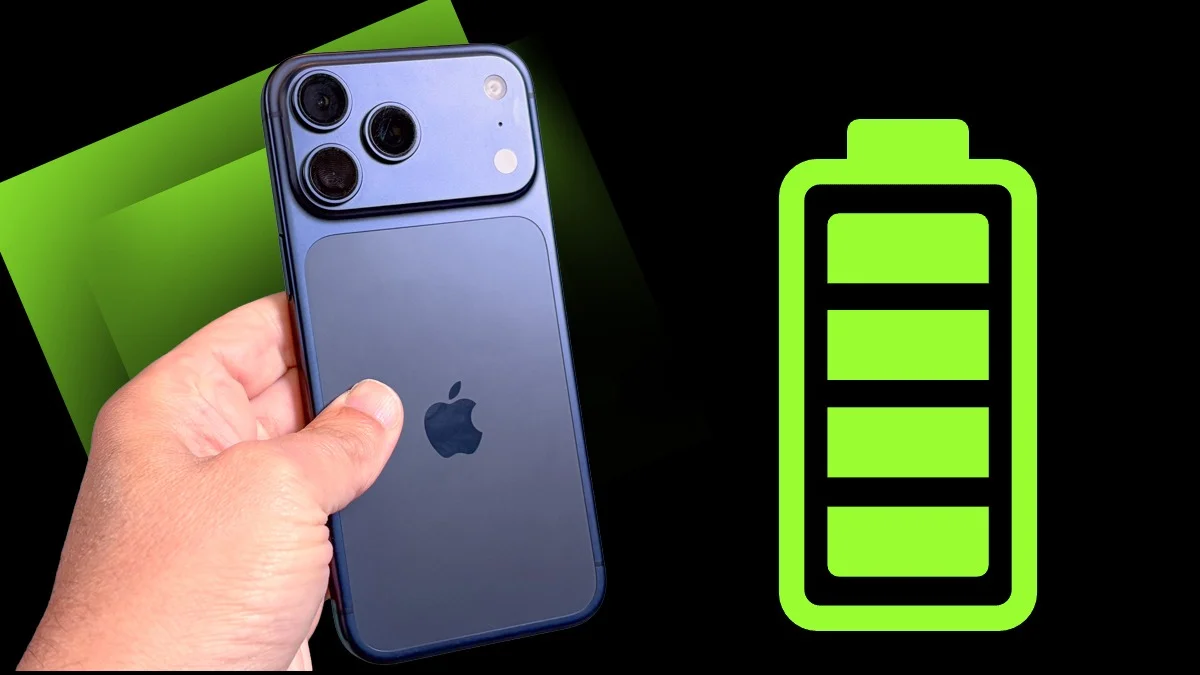
Independent testing from Tom’s Guide, PhoneArena, and GSMArena confirms the results. Tom’s Guide recorded 17 hours and 54 minutes in a continuous web browsing test over 5G, the longest runtime for any iPhone. PhoneArena reported the iPhone 17 Pro Max comfortably lasts a full day of heavy mixed use, including photography, app navigation, and streaming, often ending with significant charge remaining.
Testers typically reported 20-30% battery remaining after a full day of heavy use.
Apple Focuses On Endurance As A Key Feature
The battery performance comes as Apple pushes endurance as a key selling point for the iPhone 17 series launched in September 2025. Apple’s official specs claim up to 39 hours of video playback and 35 hours of streamed video, figures that align with independent findings, though heavy 5G usage or gaming reduces totals.
Apple’s messaging clearly focuses on reliability and long-lasting power for everyday users.
Apple Maintains Brand-Wide Efficiency Advantage
Apple’s brand-wide efficiency advantage extends beyond the Pro Max. When CNET averaged scores across each phone model, Apple achieved a 91.7% overall rating, placing it ahead of OnePlus and several points above Motorola, Samsung, and Google.
Three other Apple models trailed closely behind the Pro Max in the endurance test, including the $599 iPhone 16E.
Apple’s Strategy Around Battery Technology
The results validate Apple’s decision to avoid silicon-carbon battery technology for now. While Samsung reportedly tests bespoke silicon-carbon batteries with 6,000-8,000mAh capacities, CNET’s findings demonstrate that larger capacity doesn’t automatically translate to better user experience, particularly given silicon-carbon’s faster degradation rates.
Apple’s focus appears to remain on optimizing existing battery technology, with future iPhone 18 models expected to feature improved wireless charging and battery tech.
Practical Benefits For Everyday Users
For consumers, the battery performance represents a practical advantage over AI-focused competitors. While the iPhone 17 Pro Max lacks groundbreaking AI capabilities compared to rivals, its endurance provides reliability for power users, including photographers capturing ProRAW files, travelers using offline maps, and professionals requiring all-day usage without charging.
Apple’s AI strategy appears focused on partnerships, with analysts closely watching its deal with Google’s Gemini AI.
Why Battery Life Matters More Than Ever
The achievement comes at a critical time for smartphone buyers. A CNET/YouGov survey from September 2025 found consumers rank “longer battery life” as the main reason to buy a new phone, second only to price.
With 2026 flagship releases approaching, Apple’s software-hardware synergy continues to set battery efficiency benchmarks that competitors struggle to match despite larger physical cells.
ALSO READ: The Hidden Google Maps Feature That Improves Navigation Instantly